
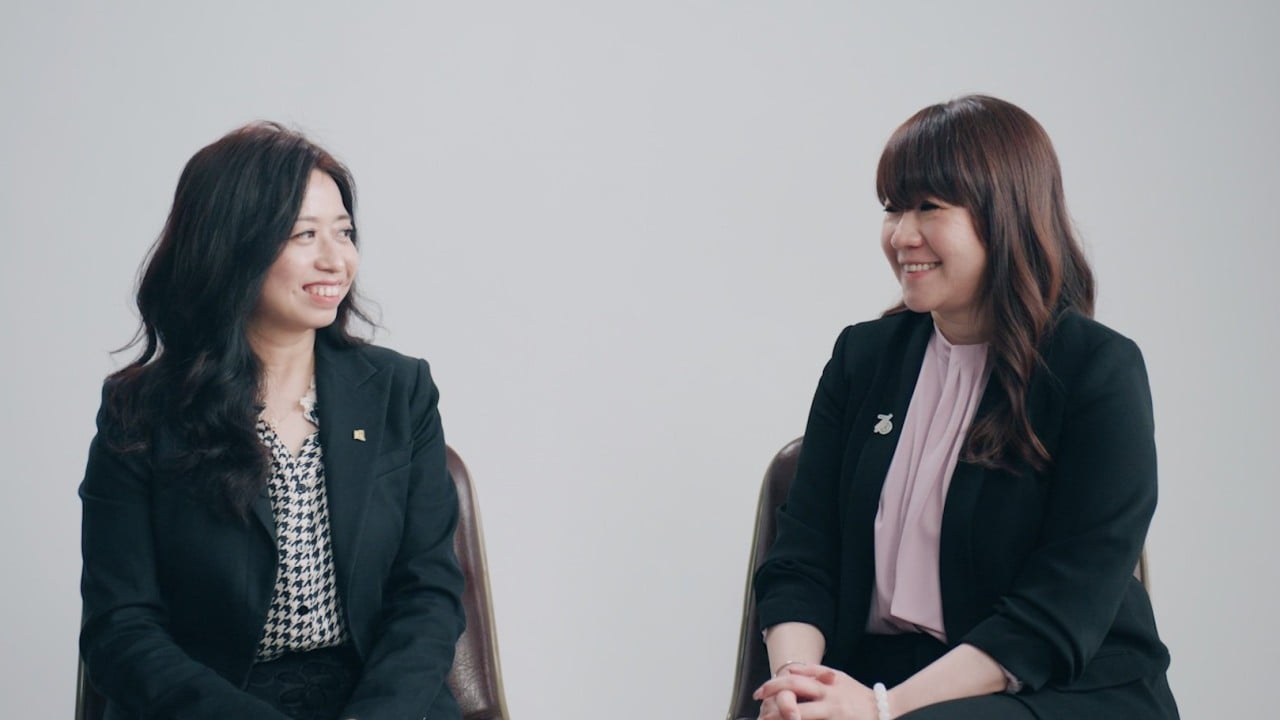
Digital spaces and molecular bonds may not seem to have much in common. But for two leading academics at Hong Kong Baptist University, both fields reveal how research can lead to important discoveries that have a real-world impact.
Christy Cheung, chair professor in information systems and digital innovation management at the School of Business, is studying the human side of technology, from platform safety and online deviance to digital wellness. Professor Wang Jun, based at the university’s Department of Chemistry, is developing more efficient ways to build molecules, which can help to produce new medicines and sustainable technologies.
For Cheung, her work begins in the online spaces where people increasingly live, work and interact.
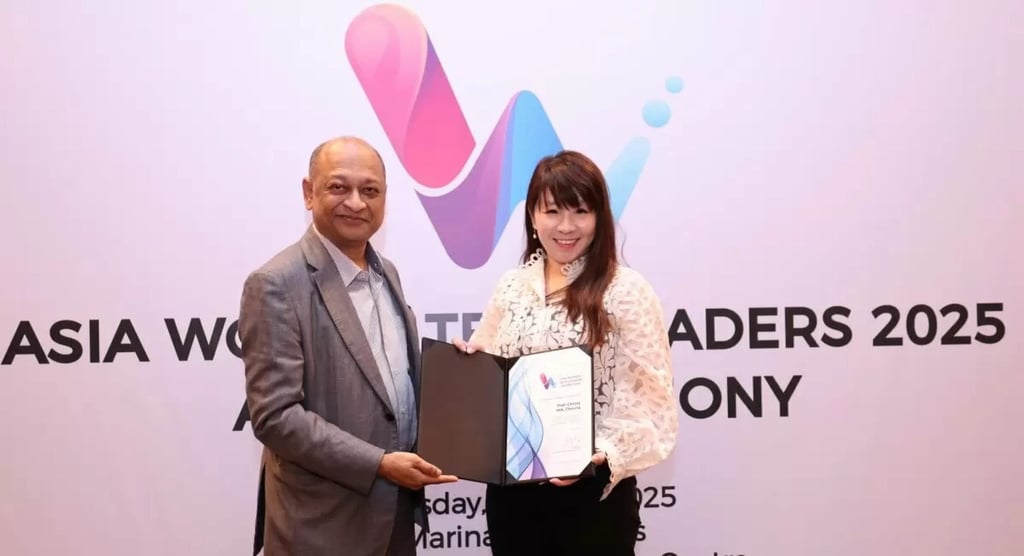
“The societal challenges I am tackling are the everyday, but deeply harmful behaviour that flourishes in digital spaces,” says Cheung, who was named in Stanford University’s 2025 “World’s Top 2% Scientists” list in information and communication technologies, which identifies highly cited scholars in their respective fields. “My research is not just about diagnosing the problem. It’s fundamentally about prevention and intervention.”
Advertisement
As an RGC Senior Research Fellow in 2020, Cheung investigated the dynamics of social media cybermobbing, an attack involving many people collectively intimidating or socially isolating a target online. She says her work contributes to the United Nations’ Sustainable Development Goals by raising awareness of responsible digital citizenship and shaping healthier, more inclusive global digital ecosystems. Cheung was also recognised as one of the 50 most influential women in tech at the Asia Women Tech Leaders Award in 2025.
“Ultimately, my work is about reimagining the role of design, from merely attracting attention to actively cultivating empathy, consent and accountability,” she says. “By embedding protective norms into the very fabric of our digital environments, we can foster cultures where responsible use feels natural, and where safety is not an afterthought but a core experience.”
Advertisement
Wang’s work starts with one of chemistry’s most persistent problems: how to build better molecular structures to support advances in fields from medicine to manufacturing.
“A major challenge scientists continue to confront is the inefficiency of chemical processes, which are often slow, wasteful and resource-intensive,” she says. “Equally pressing is the issue of poor selectivity, where reactions fail to yield only the desired product, creating significant hurdles in drug development and beyond.”
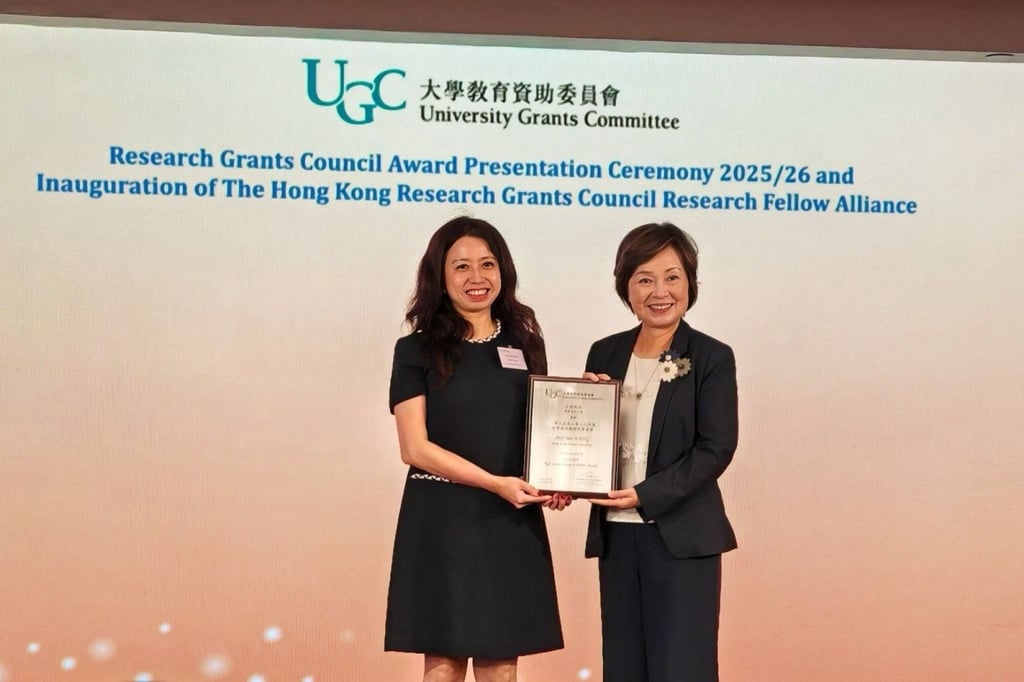
Last year, Wang, who was also named an RGC Senior Research Fellow and serves as a senior member of the Chinese Chemical Society, received funding for a project that applies computational and data-driven innovation to develop more precise molecular tools.
Advertisement
“In my lab at HKBU [Hong Kong Baptist University], we work on modular molecular editing,” she says. “Our research goes beyond fundamental chemical research, aiming to develop next-generation ligands [molecular bonding agents], high-precision medicines and high-performance materials. Beyond chemistry, its impact extends to pharmaceuticals, agrochemicals, materials science and environmental and sustainable technologies.”
Both scholars regard their work as locally grounded but globally relevant. Cheung says her research can strengthen Hong Kong’s digital resilience by cultivating responsible digital citizenship and show how home-grown scholars can lead in emerging digital fields.
Wang says advances in her field offer greener, more efficient solutions, which can support healthcare, food security and technology around the world, while also strengthening Hong Kong’s profile as a hub for sustainable science.
Advertisement
Looking ahead, they both believe Hong Kong can play a greater role in global research, from human-centred approaches to AI and robotics to foundational technologies across pharmaceuticals and environmental science.
Watch the video to learn more about how Hong Kong Baptist University academics are advancing interdisciplinary research that has real-world impact.
Advertisement