
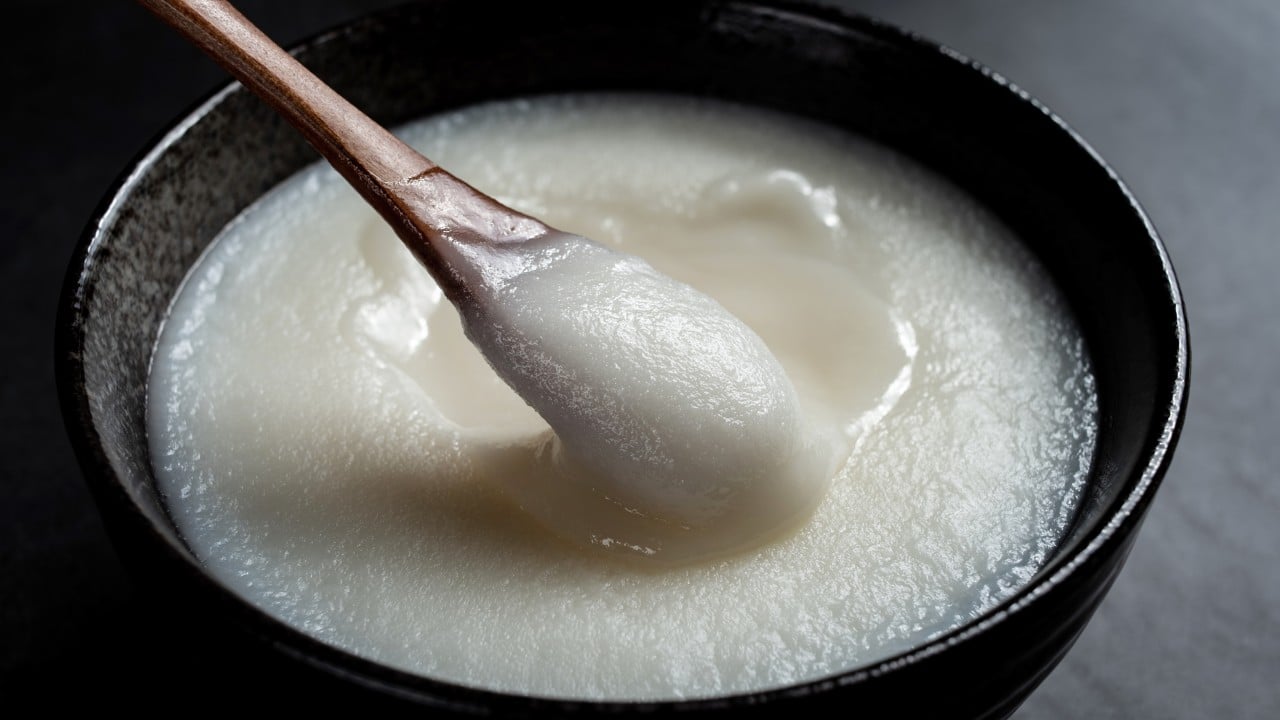
Consuming a diet with a moderate amount of lard can decrease both fat accumulation and inflammation in body fat, according to a new study by Chinese scientists.
“These findings challenge the conventional view of animal fats and demonstrate that consuming lard at the recommended level (with dietary fat providing 25 per cent of energy) can confer metabolic benefits by regulating adipose tissue homeostasis,” the team wrote.
Scientists from Hunan Agricultural University, the University of South China and the Changsha Agriculture and Rural Affairs Bureau published their findings in the peer-reviewed journal npj Science of Food this month.
Advertisement
In China, health researchers are facing a paradox with health and fat intake: obesity rates in the country have increased even though long-standing advice promotes the consumption of unsaturated fatty acids, such as those found in vegetable oils, over saturated fatty acids from animal fats like lard.
Chinese national dietary guidelines recommend 25 to 30 grams of cooking oil per day for adults. It suggests limiting fatty meats and animal organs consumption because they are high in saturated fat and cholesterol.
Advertisement
The team also pointed to previous studies on diets based on pork and lard which indicated that people who consume them show a “significantly lower obesity and diabetes prevalence” than those who follow plant-based or vegetarian diets.