
What happens when a democracy begins to fear its own internet? In Indonesia, that question is no longer hypothetical, as the government threatens to pull the plug on major online platforms many of its people rely upon.
When Jakarta warned last month that it could block major platforms like Cloudflare and Wikipedia, the move was justified as a crackdown on online gambling – a vice officially outlawed in the world’s largest Muslim-majority nation.
But for tech industry players and free-speech advocates, the move was something else entirely: another step in the state’s steady expansion of power over the digital realm.
Advertisement
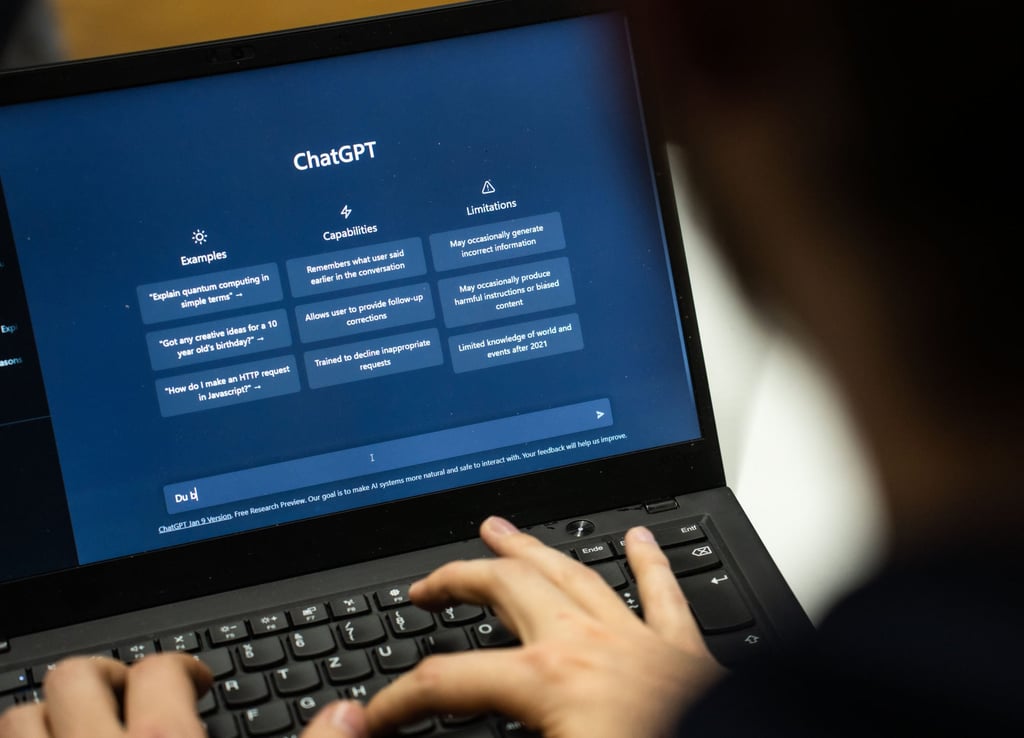
The order came on November 17 from the Ministry of Communication and Digital Affairs, which demanded that 25 global companies – among them Cloudflare, Wikipedia, ChatGPT, Duolingo, Dropbox and Getty Images – comply with a registration requirement introduced under a 2020 ministerial regulation.
In theory, the rule helps authorities track and manage illicit online activity. In practice, critics say it hands sweeping powers to the government to decide which platforms stay visible and which may vanish overnight from Indonesia’s internet.
Advertisement