
Hong Kong has come out on top again, but not in a good way. After earning the distinction of having the highest petrol prices in the world, we have again been named the world’s priciest residential property market in the “Mapping the World’s Prices” report released by Deutsche Bank.
We managed to keep our top spot despite a 10 per cent drop in property prices from pre-pandemic levels. Naturally, this is not something Chief Executive John Lee Ka-chiu will be blowing his horn about.
Generations of Hongkongers have been priced out of the city’s property market. Wages have not kept up. In the Deutsche Bank report, we are ranked 30th out of 69 cities in terms of monthly salary.
According to the annual Demographia International Housing Affordability Survey, it would take a household 14.1 years of income, without other expenses, to buy a median-priced home in Hong Kong. The city is at the top of that survey, too, holding the title of the world’s most unaffordable housing market for 16 straight years.
No wonder we have a low birth rate. Some young people might be delaying marriage and having a family of their own to focus on their careers. Women attaining higher levels of education is also known to contribute to the falling birth rate. But some households put off having children because space is too much of a premium. That’s what paying 14.1 years of your income for housing, without other expenses, translates into. That’s not a choice – it’s reality.
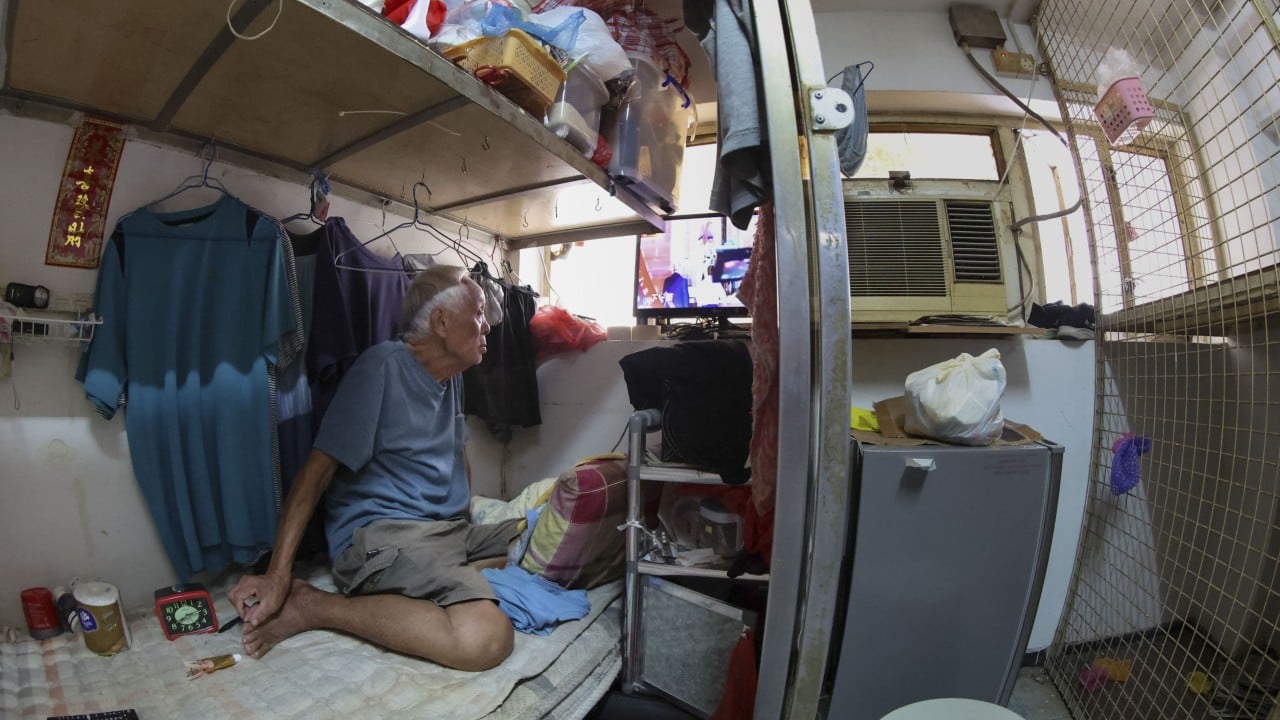
How do we manage to keep these prices high and out of reach for ordinary people? That, too, is an old tale. Wealth disparity is the main driver. Nothing better illustrates our two-track reality than having luxury houses on The Peak and cage homes fitted in old tenements.