
In an era defined by AI, can work still be measured by the clock?
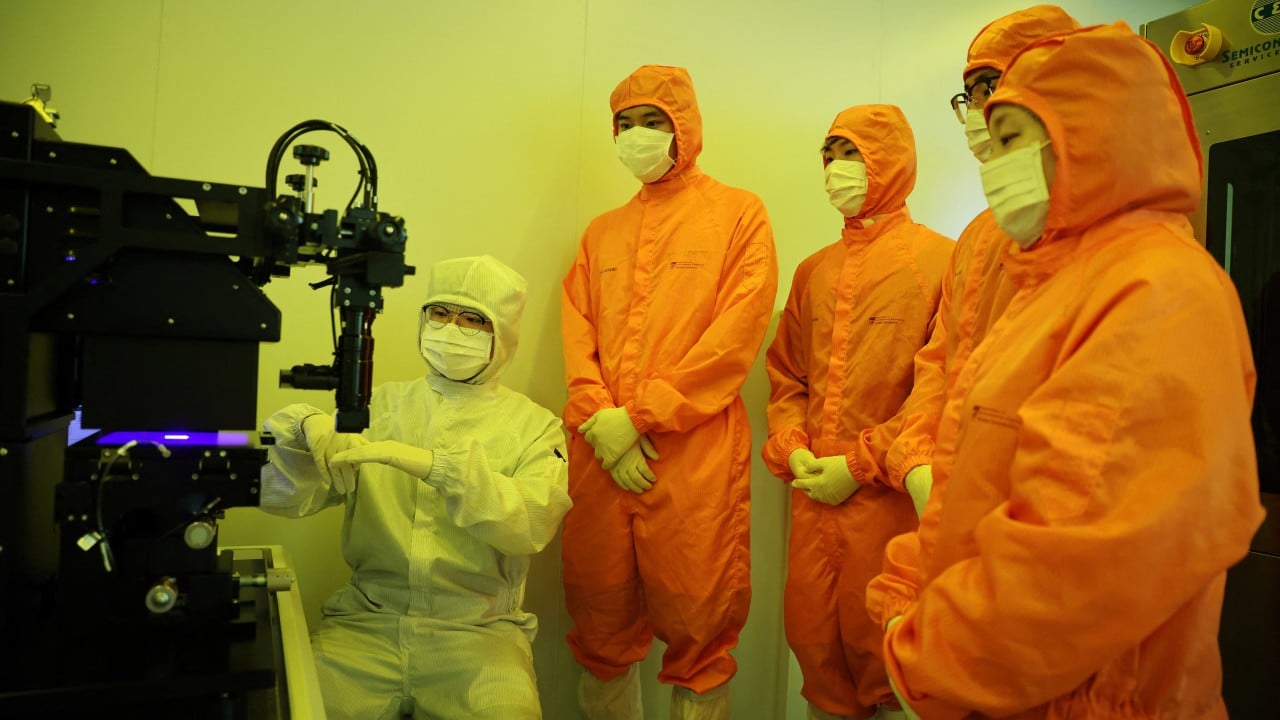
Hwaseong, South Korea, past midnight. An engineer watches a defect pattern surface on her screen – the kind that, caught now, saves a week of wafers. She is locked in, fully absorbed, the way engineers get when a breakthrough is close. But she has to go home. The law says so.

Yet something is disrupting the clock she races against. Artificial intelligence is quietly rewriting what her hours are worth.

On June 29, South Korean President Lee Jae Myung stood alongside the leaders of Samsung Electronics and SK Hynix to unveil an 800 trillion won (US$548 billion) semiconductor initiative, part of industrial plans expected to be the largest in the nation’s history. Within days, the debate shifted from capital to constraints. South Korea’s leading newspapers converged on a remarkably consistent message: before investing another won, fix the laws that limit workers to a 52-hour week.

Lee has reportedly urged officials to work through the night if needed, to cut through licensing delays, for instance. But while working through the night may seem a virtuous response to urgent national plans, for workers, including the engineers that the chip industrial plan counts on, it remains a violation of labour laws.

The assumption behind the 52-hour cap is far older than the statute. The factory made time the measure of a worker’s worth – the clock became the gate, presence meant production. South Korea wrote that logic into law in the 1950s, and it helped power a period of rapid growth known as the “Miracle on the Han River”. Count the hours, and you counted roughly what got made. AI is challenging this assumption.

When an engineer with the right tools can solve a problem that used to take a team a month to address, the question “how many hours did you work?” stops measuring anything real. In sales, this was understood decades ago – performance has long been measured by revenue rather than hours logged. That same logic is now reaching engineering, research, design – every corner of knowledge work. The clock is becoming the wrong instrument with which to measure work.

South Korean President Lee Jae Myung (centre), Samsung Electronics chairman Lee Jae-yong (right) and SK Group chairman Chey Tae-won (left) attend a briefing announcing three government mega-projects at the Blue House in Seoul, South Korea, on June 29. Photo: EPA


Read More

Leave a Reply