
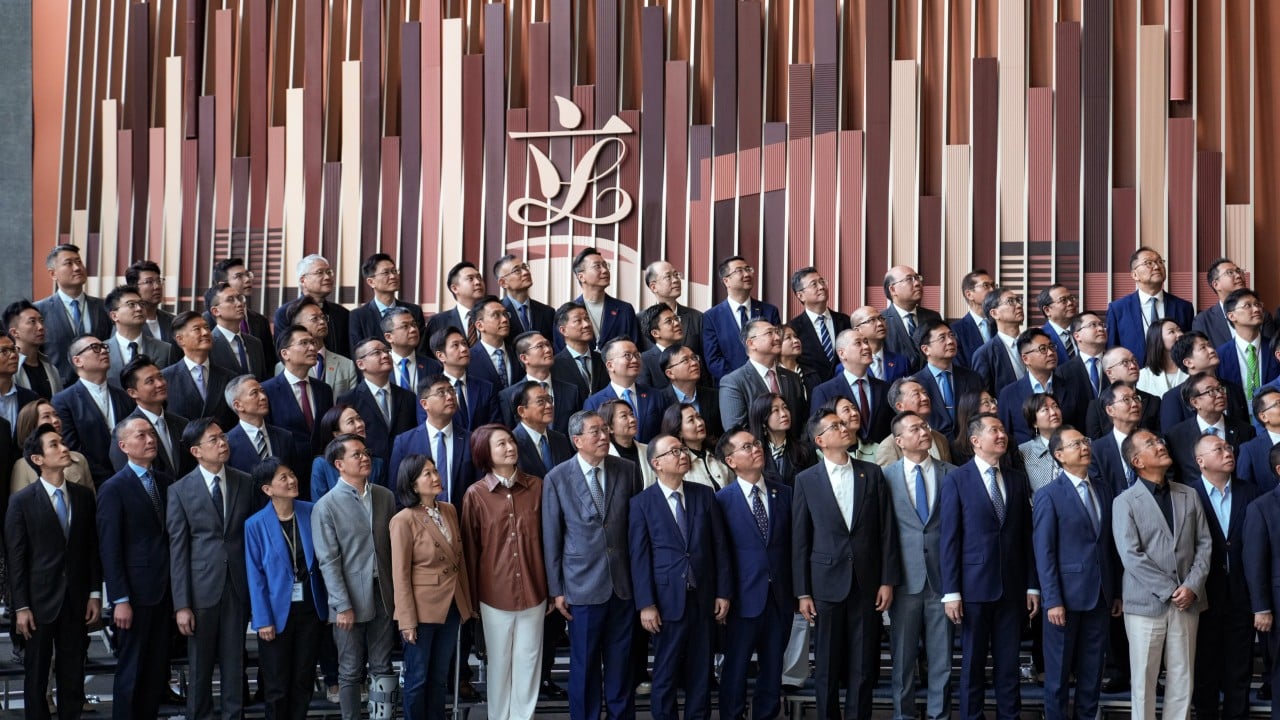
The dust has settled and Hong Kong’s eighth Legislative Council is getting ready, with new lawmakers finding their way. There were quite a few surprises, looking at the results.
With many new candidates and political groups vying for seats, the contest for the directly elected geographical constituencies was highly competitive. Some candidates were fielded by groups with strongholds in the trade-based functional constituencies, which are indirectly elected.
That is something we should welcome. Establishing ties directly in the community will help our political groups be more in touch; it can help steer the groups’ mindsets, address their blind spots and bridge the gap between policymakers and the masses. As long as these groups continue to work on community building on the ground and put themselves forward to be chosen in the geographical constituencies, the people and the city win.
Advertisement
As we head into the second term of the revamped electoral system, this is one of the better and most obvious changes. It is a good disruption.
The Democratic Alliance for the Betterment of Hong Kong (DAB), the city’s largest party, won another Legco seat but saw a significant dip in votes. While the Tai Po fire tragedy hurt its performance, it had more to do with the number of groups contesting seats. The New People’s Party (NPP), for instance, retained voter support by recruiting new members and fielding more candidates. For an NPP candidate to garner more votes than the DAB chairman is quite an achievement.
Advertisement
Large parties must adapt and become more diverse. The DAB has done that. All the candidates it fielded for the Election Committee constituency won – for other parties, there are lessons: the DAB remains the leader in electioneering work.

Hongkongers cast ballots in city’s legislative election
Hongkongers cast ballots in city’s legislative election