
Ken Chu (LLD) is the chairman and CEO of Mission Hills Group with businesses in hospitality, leisure, entertainment, sports, wellness and education in China.
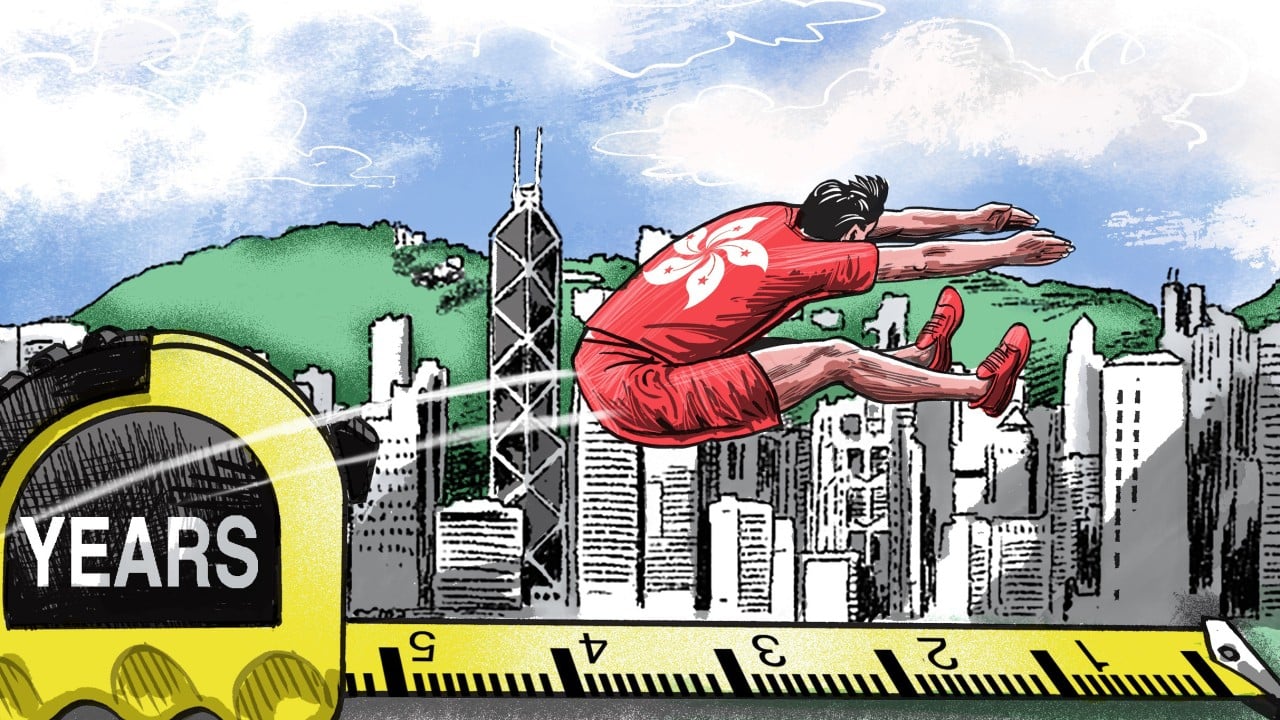
Hong Kong’s first five-year plan will undoubtedly mark a significant milestone for the city. The public consultation launched last month covers a range of issues, such as economic development, innovation and technology, housing, healthcare, education, infrastructure and regional cooperation.
The exercise offers a chance not only to discuss what Hong Kong hopes to achieve by 2030, but also how its success should be measured. That second question is perhaps the more important one.
Hong Kong has never lacked ambition. Over the years, the city has set out clear aspirations for strengthening its position as an international financial centre, developing into an innovation and technology centre, attracting global talent and improving the quality of life for residents. The challenge has rarely been defining the destination. It has been more about measuring progress along the journey.
No successful company would invest billions of dollars without establishing objectives, setting milestones and regularly reviewing performance. Cities should be no different.
If Hong Kong’s first five-year plan is to make a lasting contribution, it should focus on a small number of priorities and establish clear indicators with which progress can be assessed. Among the many important issues facing the city, three stand out.

The first is the Northern Metropolis. Every successful city eventually creates a new engine of growth. Shanghai had Pudong. Shenzhen transformed vast areas of land into innovation and technology hubs that now attract talent and investment from around the world. Each project expanded the city’s economic capacity and reshaped perceptions of its future. For Hong Kong, the Northern Metropolis has the potential to play a similar role.