

For over a century, the dream of efficiently concentrating low-grade heat into high-temperature industrial energy has been constrained by a stubborn ceiling: 200 degrees Celsius (392 degrees Fahrenheit).
Now, a team from China has shattered that temperature limit. Using a revolutionary heat pump with no moving parts, they achieved an output of 270 degrees with a 145-degree heat source to drive the cycle.
Developed by a team led by Luo Ercang at the Technical Institute of Physics and Chemistry of the Chinese Academy of Sciences (CAS), the technology could generate high-grade heat from modest sources, such as solar collectors or industrial exhausts, for applications in ceramics, petrochemicals and metallurgy.
Advertisement
This could lead to solar farms directly producing the intense heat needed to smelt iron ore or refine aluminium, and chemical factories recycling their own waste warmth for splitting or combining molecules.
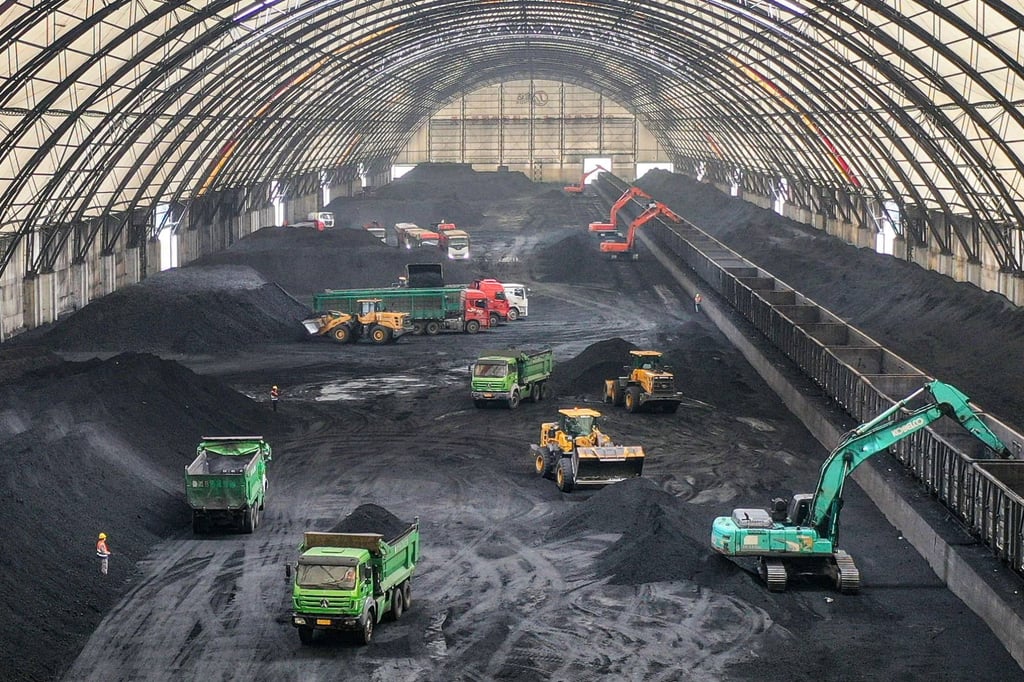
The breakthrough comes at a pivotal moment in the global energy race. Nearly half the world’s final energy consumption is devoted to heating and cooling, and industry accounts for almost half of that usage.
Advertisement