
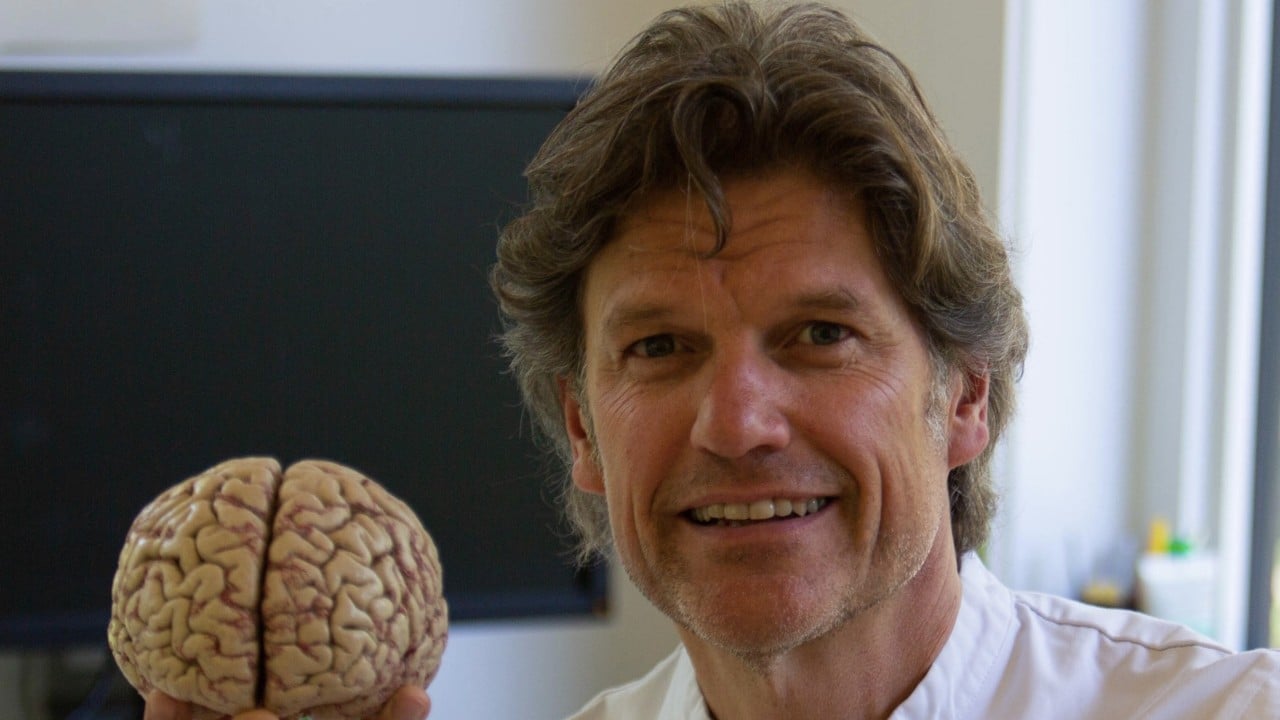
China is emerging as a rising powerhouse for scientific innovation at a time when scientific research in the United States faces growing funding instability, according to Belgian neurologist Steven Laureys.
Laureys, a pioneer in detecting hidden awareness in patients with severe brain injuries, is expanding his global research network to China, working with Hangzhou Normal University.
“There’s a wonderful opportunity for me to work with China. And I’m very happy that China is investing in science in these challenging times with [Donald] Trump, because I’m also an invited professor at Harvard. It’s good to see that we benefit from funding there,” he said.
Advertisement
“That’s the power of China – to have this political organisation where, when the decision is made, it happens. The unification of resources and pushing people to work together is very important.”
He said there was “an opportunity also for Europe to react now”, but the continent had not yet developed the unified science policy it needed.
Advertisement
When Laureys began studying sleep and dreaming in the 1990s, consciousness was seen as too subjective and too messy – described by some leading scientists as a “black box” – and research funding was hard to come by.