
Vin Lors used to earn about US$20 a day working on construction sites in Bangkok, nearly twice what he now makes in Cambodia.
After the border conflict between Thailand and Cambodia broke out last July, the 37-year-old and his wife decided to return home to Siem Reap province, worried about their safety and concerned about workplace discrimination.
When he heard the government was helping returning migrant workers find jobs, Lors registered through his village chief.
“They registered my information and said they [the ministry officials] would contact me, but they never did,” he said.
Waiting was not an option for Lors, who had microloan debts to service. His predicament has become a familiar one in Cambodia’s west, where the border row with Thailand has hit jobs, remittances, trade and tourism.
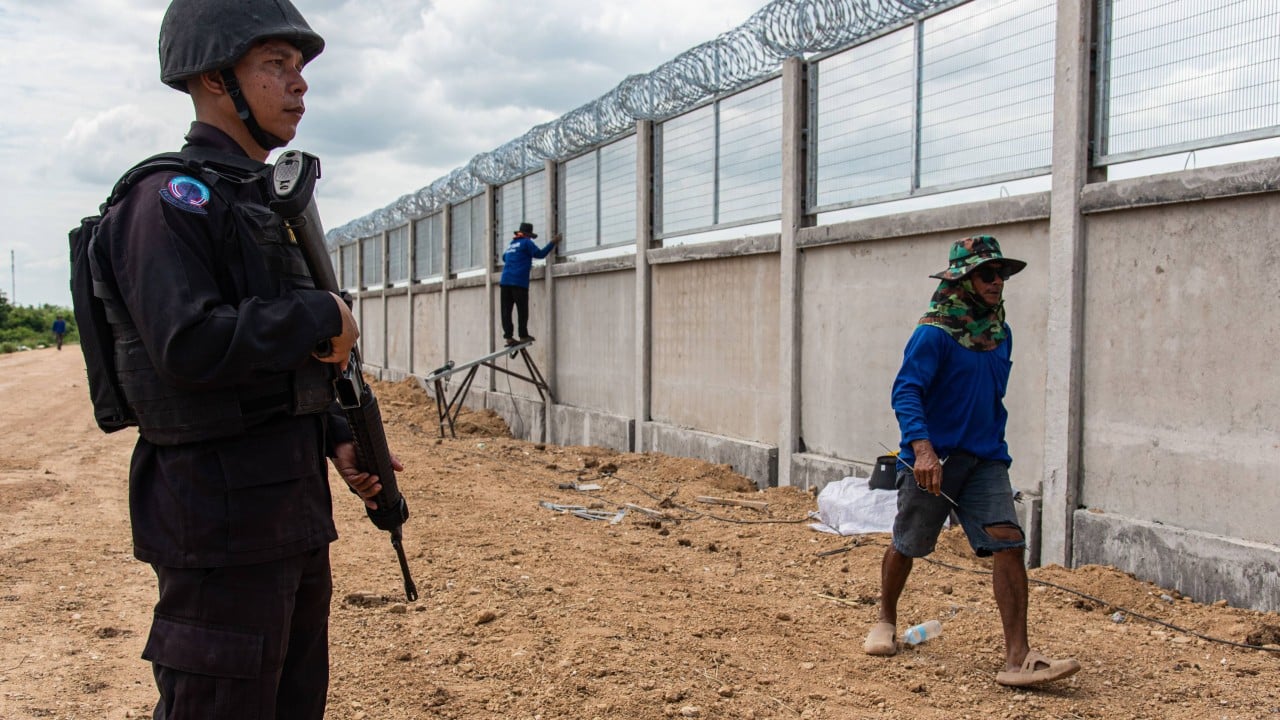
Now, after Thailand announced it had completed a 1.3km stretch of reinforced border fence on July 22, Cambodians face a more practical question: what happens if those links do not return? Nearly 1 million Cambodian nationals have returned since last year’s conflict.
Trade between the two neighbours has taken a hit. In the first five months of this year, two-way trade fell by almost 40 per cent to US$1.15 billion, according to official Cambodian preliminary figures.