
[The content of this article has been produced by our advertising partner.]
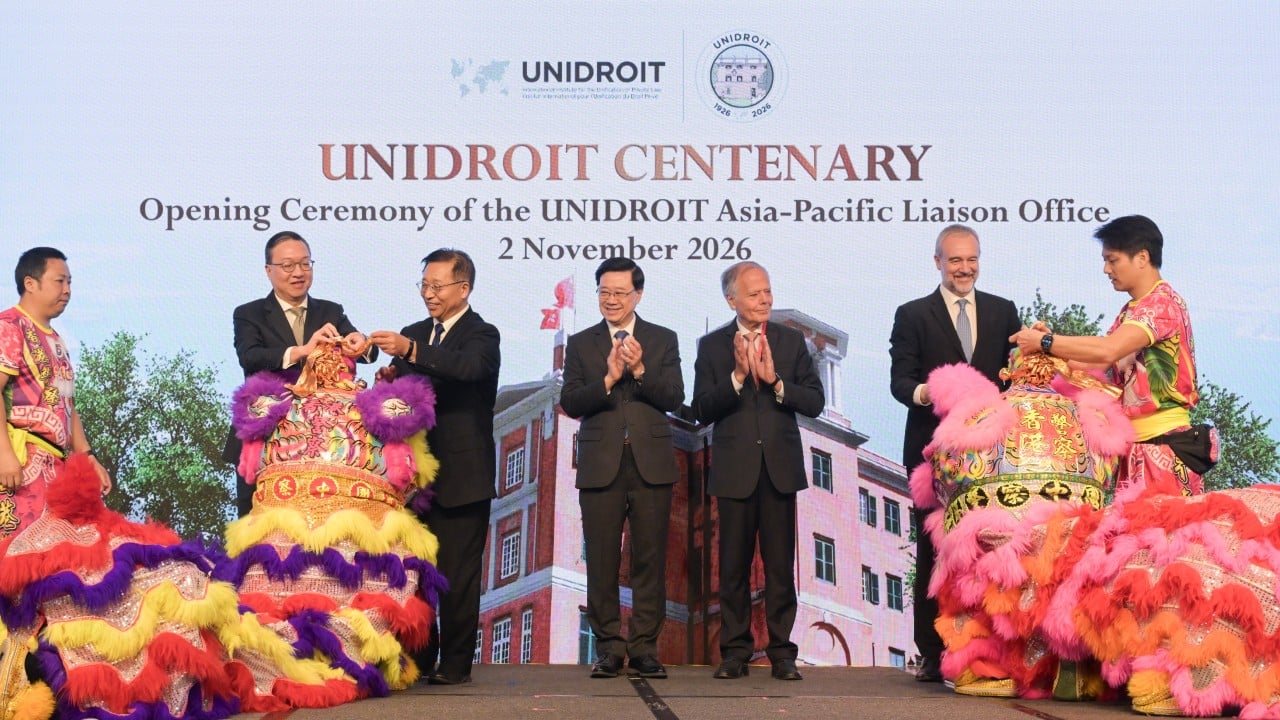
Hong Kong became the first overseas base for the International Institute for the Unification of Private Law (UNIDROIT) in its 100-year history, advancing efforts to harmonise private law across the Asia Pacific region.
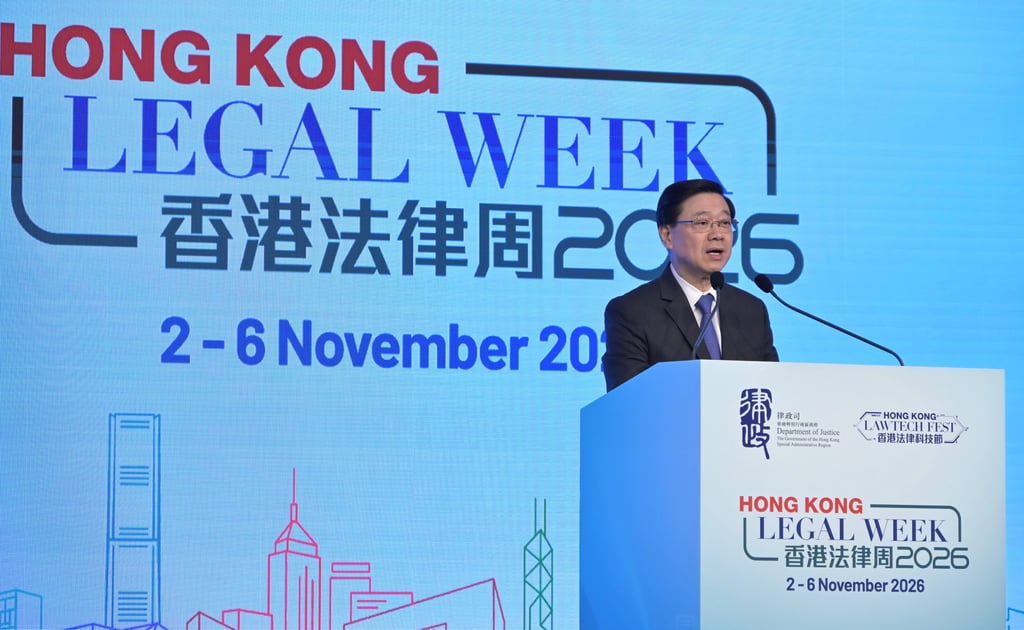
The historic debut was a highlight of Hong Kong Legal Week 2026, the Department of Justice’s (DoJ) five-day flagship event. Under the theme “Collaboration & Innovation: Legal Synergy for a Shared Future”, officials, international organisations and legal professionals discussed cross-border commerce, dispute resolution and legal technology.
Chief Executive John Lee Ka-chiu welcomed UNIDROIT’s Asia-Pacific Liaison Office, citing Hong Kong’s common-law system, financial connections and legal expertise as advantages for its regional work.
The initiative also supported the country’s 15th Five-Year Plan and Hong Kong’s ambition to become an international legal and dispute resolution services centre.
Secretary for Justice Paul Lam Ting-kwok, SC, said the office would deepen Hong Kong’s relationship with UNIDROIT and encourage exchanges between international legal institutions.
Bridging legal systems across borders
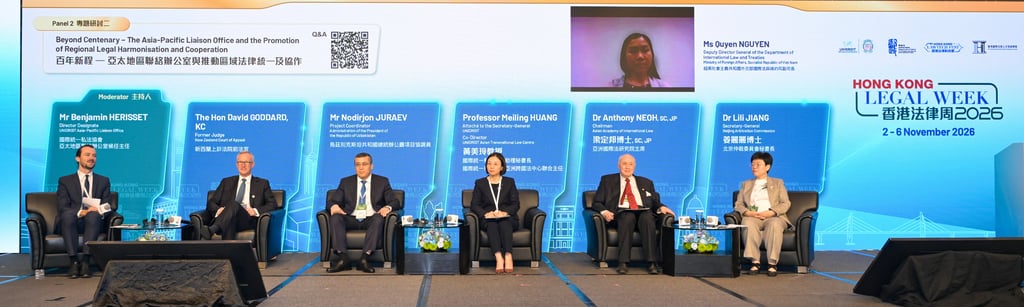
Founded in 1926, UNIDROIT develops instruments to harmonise private and commercial law, helping businesses navigate differences between national legal systems.
UNIDROIT President Professor Enzo Moavero-Milanesi traced its origins to the aftermath of the First World War, when countries sought closer co-operation through common legal rules. He welcomed the Hong Kong office as an opportunity to deepen engagement with Asia-Pacific member states.
Professor Ignacio Tirado, UNIDROIT’s Secretary-General, said Hong Kong’s financial and legal services made it a suitable regional base.
“The economy is more interconnected than ever,” he said in an interview, citing global supply chains and digital assets as activities requiring consistent rules across jurisdictions.
Modernising international commerce
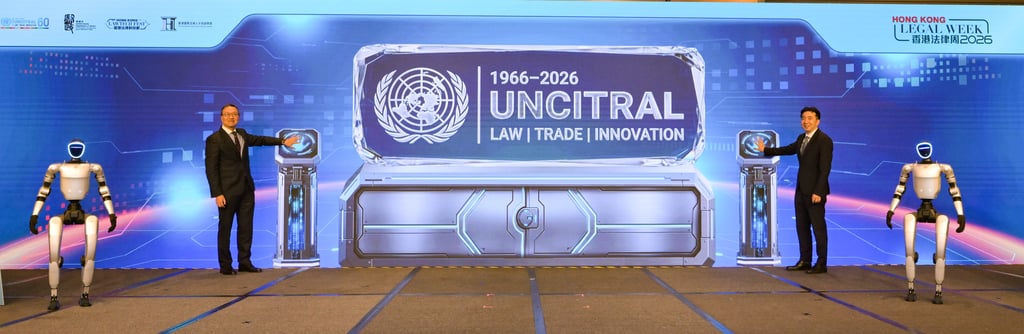
A conference marking UNCITRAL’s 60th anniversary addressed the international transport of goods in the digital economy.
Lam outlined proposed legislative amendments to recognise electronic business-to-business trade documents, drawing on UNCITRAL’s Model Law on Electronic Transferable Records. The reforms would reduce paper-based procedures and facilitate international transactions.
Discussions also covered the United Nations Convention on Negotiable Cargo Documents, known as the Accra Convention, which opened for signature in Ghana in October. It establishes common rules for negotiable cargo documents in paper and electronic formats across sea, air, road and rail transport.
Anna Joubin-Bret, Secretary of UNCITRAL, said in a video address that 26 countries had signed the convention, with approximately 20 more preparing to do so.
She welcomed Hong Kong’s contribution through professional secondments, conferences and the Hong Kong International Legal Talents Training Academy, established in 2024 to provide training and exchanges for legal professionals across jurisdictions.
Bringing technology into legal practice
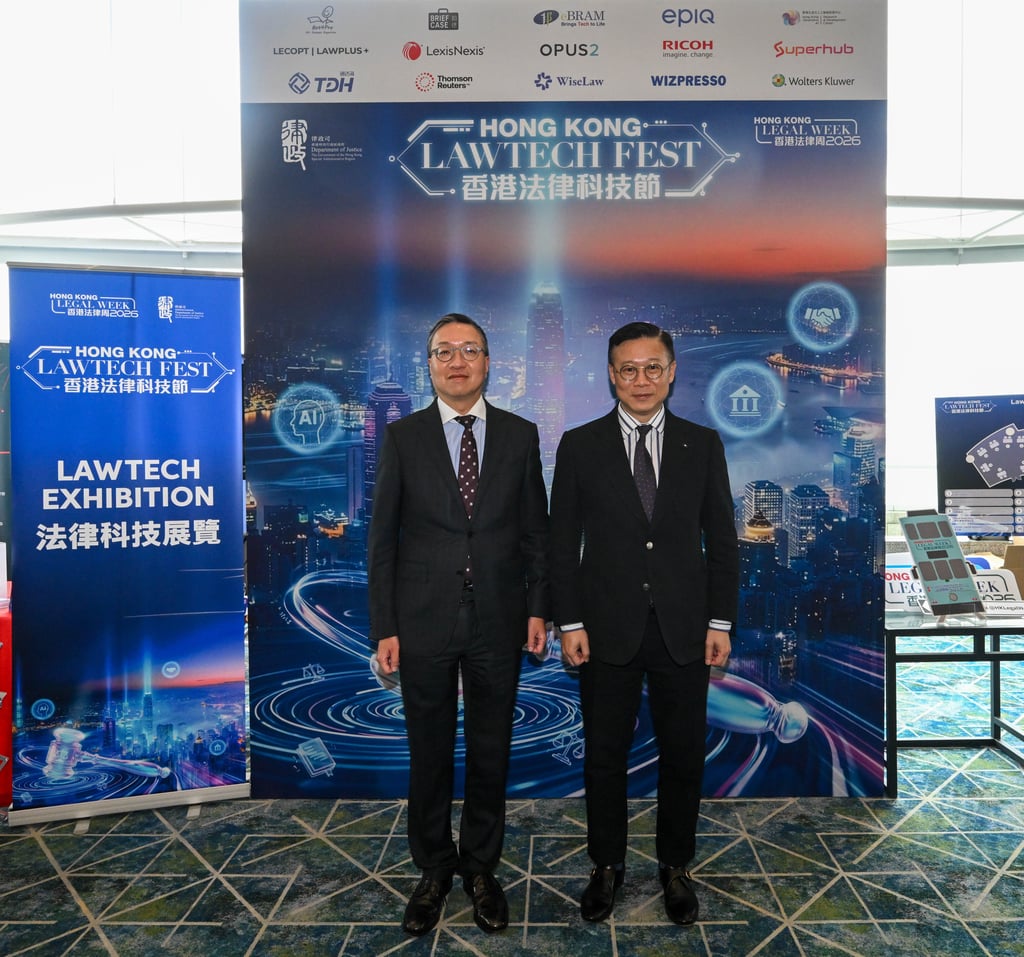
Hong Kong LawTech Fest featured 15 service providers, demonstrations and workshops on AI-assisted legal research, document review, drafting, workflow management and hearing support.
The LawTech Forum, themed “Human in the Loop, Integrity at the Core”, addressed AI governance, ethics and professional accountability.
Deputy Secretary for Justice Dr Cheung Kwok-kwan said AI could improve efficiency in research, drafting and document review, but raised concerns about confidentiality, accuracy and bias. He maintained that human oversight remained essential, with practitioners retaining responsibility for their work.
Strengthening connections for the future
The Fourth Legal Forum on Interconnectivity and Development addressed international legal co-operation, dispute resolution and Hong Kong’s contribution to the country’s development of foreign-related rule of law.
Co-organised by the DoJ and the Office of the Commissioner of the Ministry of Foreign Affairs in Hong Kong, with support from the Legal Affairs Department of the Liaison Office of the Central People’s Government in Hong Kong, it gathered officials, judges and legal professionals.
Discussions covered litigation, arbitration, mediation and opportunities for younger practitioners.
The Second Guangdong-Hong Kong-Macao Greater Bay Area (GBA) Lawyers Forum addressed cross-border practice and the alignment of legal rules and mechanisms across the three jurisdictions.
More than 700 practitioners from Hong Kong and Macao had obtained GBA practising qualifications while the scheme’s regularisation in September.
A mock mediation using the GBA Cross-Boundary Disputes Mediation Model Rules demonstrated common procedures for resolving cross-border disputes.
Dr Cheung said a task force was expected in early 2027 to advance the alignment of rules and mechanisms across Guangdong, Hong Kong and Macao through research and stakeholder consultations.
With the establishment of UNIDROIT’s first overseas office, progress towards digital trade reforms and new funding for legal technology, Hong Kong Legal Week 2026 marked another milestone in the city’s efforts to advance cross-border commerce, legal services and international dispute resolution.
Advertisement