
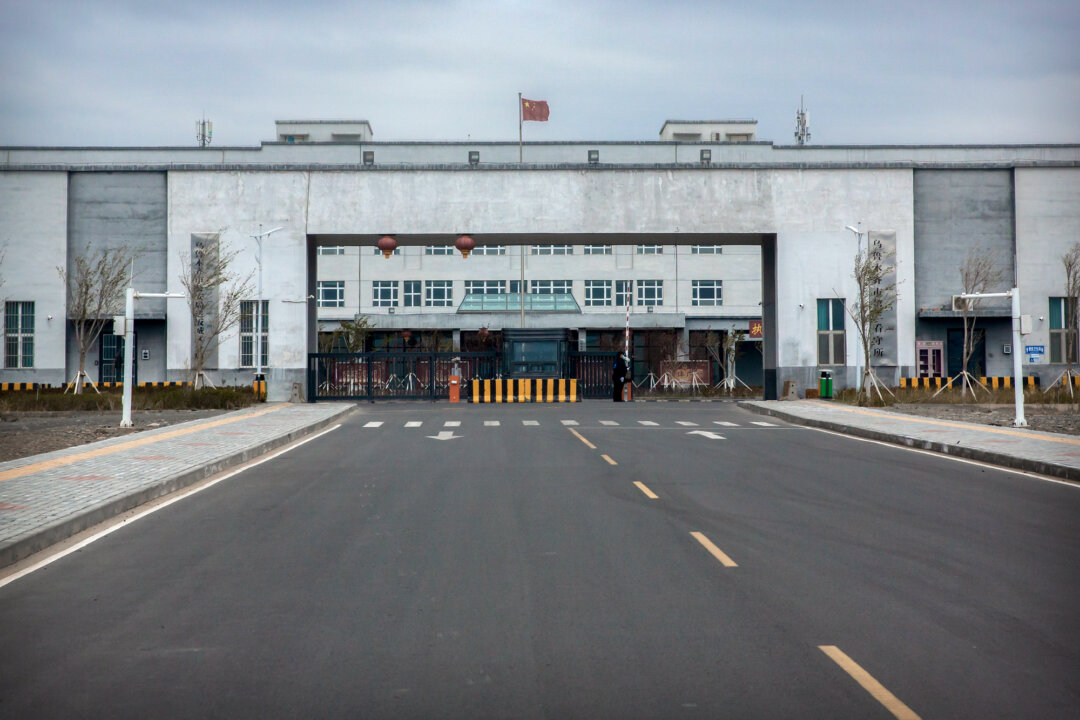
The United States on Oct. 28 moved to block imports from three Chinese genetics companies, accusing them of helping authorities in China’s Xinjiang region transfer Uyghurs and other persecuted minorities into forced labor.
The Department of Homeland Security (DHS) added BGI Genomics, MGI Tech, and Shenzhen BGI Technology, also known as BGI Group, to a federal forced-labor list. The companies provide genetic-testing services or make equipment used to analyze DNA.
Under the Uyghur Forced Labor Prevention Act, U.S. customs authorities must presume that goods made wholly or partly by the listed companies were produced with forced labor and generally block them from entering the country. Importers can seek exceptions by providing clear and convincing evidence that forced labor was not used.
Genetic Testing and Forced Labor
According to the federal notice, BGI Genomics conducted genetic testing in cooperation with the Xinjiang government, while MGI supplied genetic-testing capacity to regional authorities.
DHS said the testing was used to facilitate the recruitment, transportation, transfer, or receipt of forced labor or members of persecuted groups. It also identified BGI Group as having tested human genetic material sourced from Xinjiang.
The notice said the Xinjiang government had specific information supporting its findings but did not publicly disclose the evidence or explain how the genetic testing was used in labor transfers.
Xinjiang, in northwestern China, has for years been the focus of U.S. sanctions and human-rights investigations over the Chinese regime’s detention and forced-labor programs targeting Uyghurs and other predominantly Muslim minorities. Beijing has denied allegations of systematic forced labor and other abuses in the region.
MGI rejected the U.S. findings in an Oct. 28 statement, calling the allegations unfounded and inconsistent with the facts. The company said it had “zero tolerance for forced labour in any form.”
The Department of Homeland Security, BGI, and MGI did not respond to The Epoch Times’ requests for comment and additional information by publication time.
Previous US Restrictions Over Genetic Data
The latest action follows years of U.S. restrictions imposed on BGI-linked companies over concerns about genetic-data collection and the Chinese regime’s repression of ethnic minorities.
In July 2020, the Commerce Department placed two BGI affiliates, Xinjiang Silk Road BGI and Beijing Liuhe BGI, on an export-control list, saying their genetic analyses had been used to further the repression of Uyghurs and other Muslim minorities. BGI denied the allegations.
In March 2023, Commerce added three more BGI-linked entities to the list, citing concerns that their collection and analysis of genetic data could contribute to surveillance of ethnic minorities and Chinese military programs.
Those earlier restrictions limited the companies’ access to certain American technologies. The new action targets goods entering the United States under federal forced-labor law.
State Media Reports on Work in Xinjiang
Chinese regime websites document previous cooperation between the genomics companies and authorities in Xinjiang, without disclosing activities or projects used to facilitate forced labor.
An October 2022 report by state media outlet Xinjiang Daily published on the regional health commission’s website said nearly 180 BGI Genomics employees traveled to Yining to support mass COVID-19 testing.
The report also described how MGI and China Mobile helped upgrade laboratory equipment and systems for processing and reporting test results.
More recently, a July 2025 Xinjiang state television report described a BGI-invested genetics laboratory at a public hospital in Kashgar. The hospital planned to use 10 million yuan (about $1.5 million) in government assistance funding for free genetic screening related to disease prevention and treatment.
In its response to the latest U.S. restrictions, MGI said its American operations account for a limited share of its overall business. The company said it would consult U.S. legal specialists, consider legal remedies, and engage with American authorities to challenge the designation and seek its removal from the forced-labor list.
We had a problem loading this article. Please enable javascript or use a different browser. If the issue persists, please visit our help center.