
A coalition of 21 attorneys general sued the Trump administration Tuesday to stop the Treasury Department from exempting most companies from reporting ownership information, claiming the rule change is illegal and will hinder law enforcement.
Oregon Attorney General Dan Rayfield filed the lawsuit in the U.S. District Court in Oregon.
The complaint argues the rule change guts a law that helped police and prosecutors catch money launderers, fraudsters, and tax cheats by requiring businesses to tell the federal government who owns and controls the companies.
When the Treasury Department announced the rollback in August, it said it wanted to reduce burdens on small businesses and domestic taxpayers.
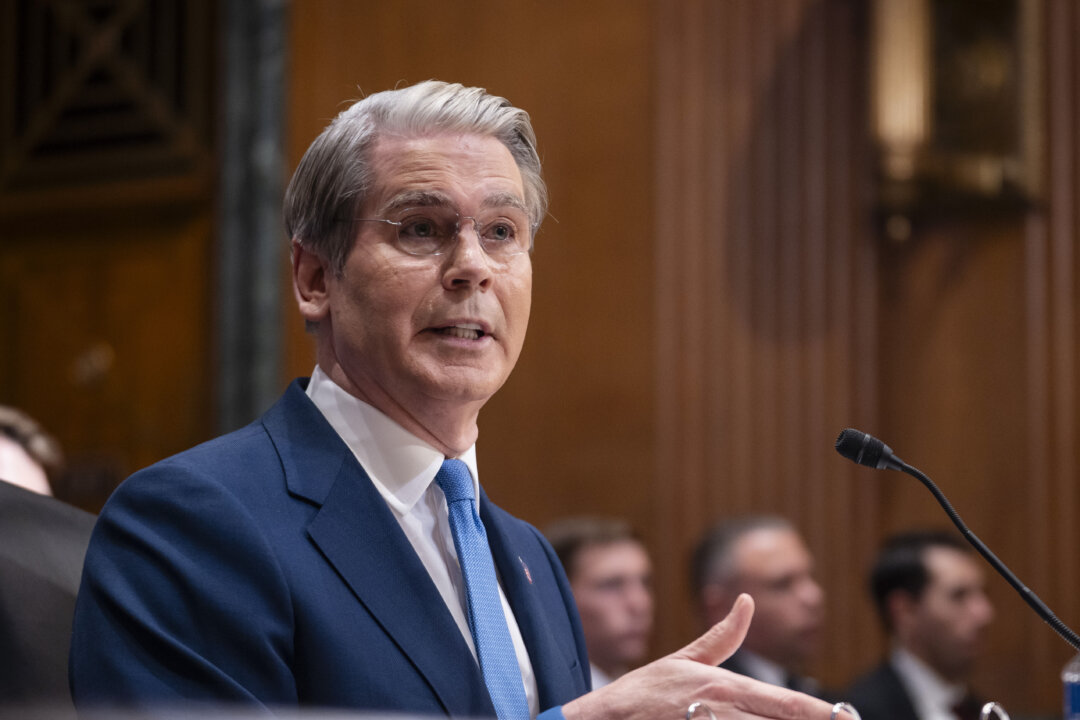
Treasury Secretary Scott Bessent called the rule change a “victory for common sense” by eliminating “a burdensome reporting requirement for millions of law-abiding business owners without compromising our national security.”
Bessent’s office didn’t immediately return a request for comment on the lawsuit.
Rayfield said in a Tuesday press release that “the federal administration has given a green light to all sorts of criminals.”
Congress passed the Corporate Transparency Act in 2021 to create a Treasury database of business owners for law enforcement to use to track criminals, Rayfield said.
The lawsuit claims the Treasury’s exemption violated the Corporate Transparency Act and Administrative Procedure Act.
The attorneys general also say the Treasury skipped required steps before changing the rule, acted arbitrarily and without reasonable explanation, and failed to properly consult the Homeland Security secretary and the U.S. attorney general before exempting nearly all businesses.
California’s Attorney General Rob Bonta said the reporting requirements were intended to help law enforcement track criminals who hide assets in shell companies.
“These anonymous accounts are often used for illegal activity—like by cartels and criminals to money launder, traffic drugs, or to hide bribes or illegal kickbacks,” he said in a press release.
The states suing the administration include California, Oregon, Illinois, Arizona, Colorado, Delaware, Maine, Maryland, Massachusetts, Michigan, Minnesota, Nevada, New Jersey, New Mexico, New York, North Carolina, Rhode Island, Virginia, Washington, and Wisconsin. The District of Colombia also joined.
Treasury’s Financial Crimes Enforcement Network, which collects and analyzes transactions to combat crime, previewed the exemption by issuing an interim final rule on March 21, 2025.
The rule narrowed existing reporting requirements to require only entities previously defined as “foreign reporting companies” to report beneficial ownership information to the Financial Crimes Enforcement Network.

Under the new rule, most domestic companies—over 99.9 percent—are exempt from the reporting requirements and don’t have to report beneficial ownership information or update previously reported ownership data to the bureau.
The Treasury is also purging all previous ownership information from the department’s database.
The nonprofit Americans for Financial Reforms, which formed in the aftermath of the 2008 economic crisis, applauded the state attorneys general.
“The Trump administration’s rollback of the Corporate Transparency Act rules was a gift to fraudsters and corrupt actors worldwide,” said Mark Hays, the group’s associate director for cryptocurrency.

The National Small Business Association (NSBA), which represents over 65,000 small-business owners and entrepreneurs nationwide, estimates compliance with the law cost small-business owners an average of nearly $8,000 in the first year alone. Willful violations could result in up to $10,000 in fines and up to two years in prison.
The NSBA strongly supported the Treasury’s exemptions, calling the changes “big victories.”
The association has challenged the original law since 2022 and asked the Supreme Court to consider the constitutionality of it under the Commerce Clause and the Fourth Amendment in April, but justices declined to hear the challenge on Oct. 5.
The Corporate Transparency Act remains an “ongoing concern” for small businesses, despite the Treasury’s decision to dismantle the reporting requirements, the NSBA said, “because, as we’ve repeatedly seen, winds can change, and regulatory declarations can easily be reversed.”
We had a problem loading this article. Please enable javascript or use a different browser. If the issue persists, please visit our help center.