
Indonesia has spent months trying to persuade investors that its economy is on the right course. A weakening rupiah, mounting budgetary pressures and a series of contentious policy decisions have made that task harder.
Doubts about the management of Southeast Asia’s largest economy have now coalesced around its central bank, whose independence has come under intense scrutiny recently as President Prabowo Subianto seeks to steer economic policy.
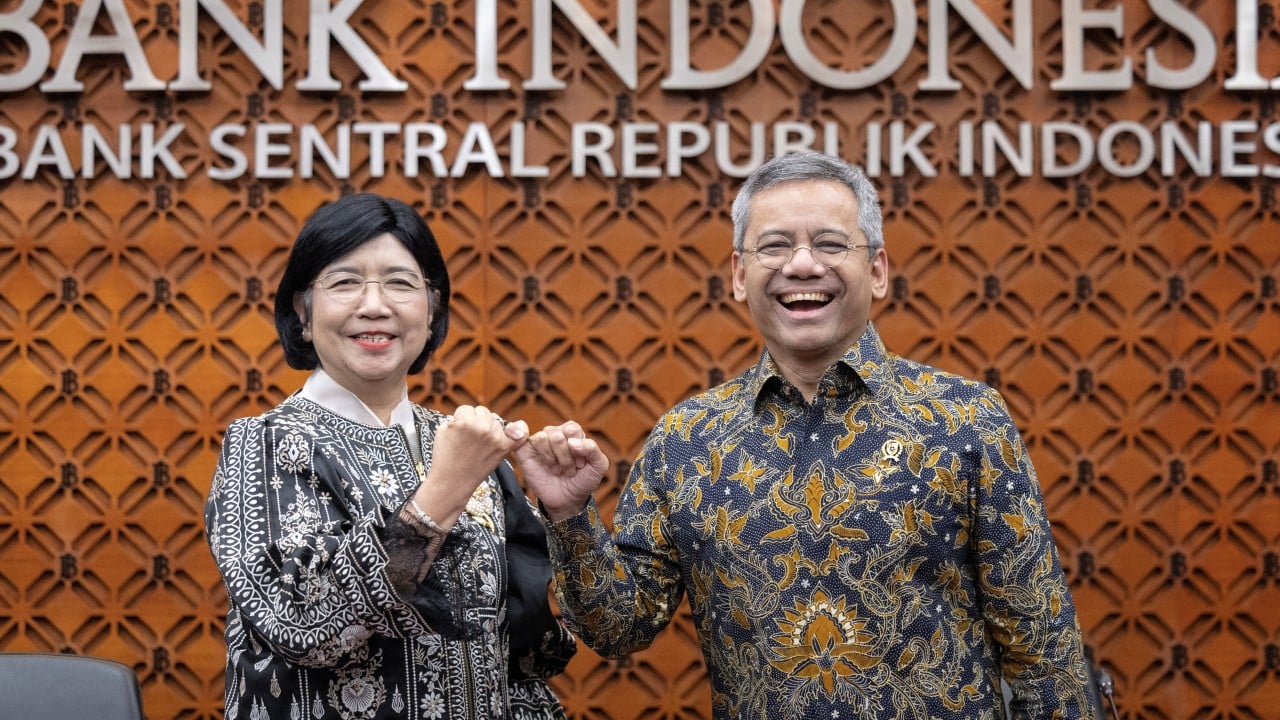
The appointment of Destry Damayanti – initially as acting governor of Bank Indonesia (BI) in late July before her formal appointment last month – was meant to reassure markets. But analysts say that confidence will only return if economic policymaking becomes more credible and decisions affecting the country’s financial health become more transparent.
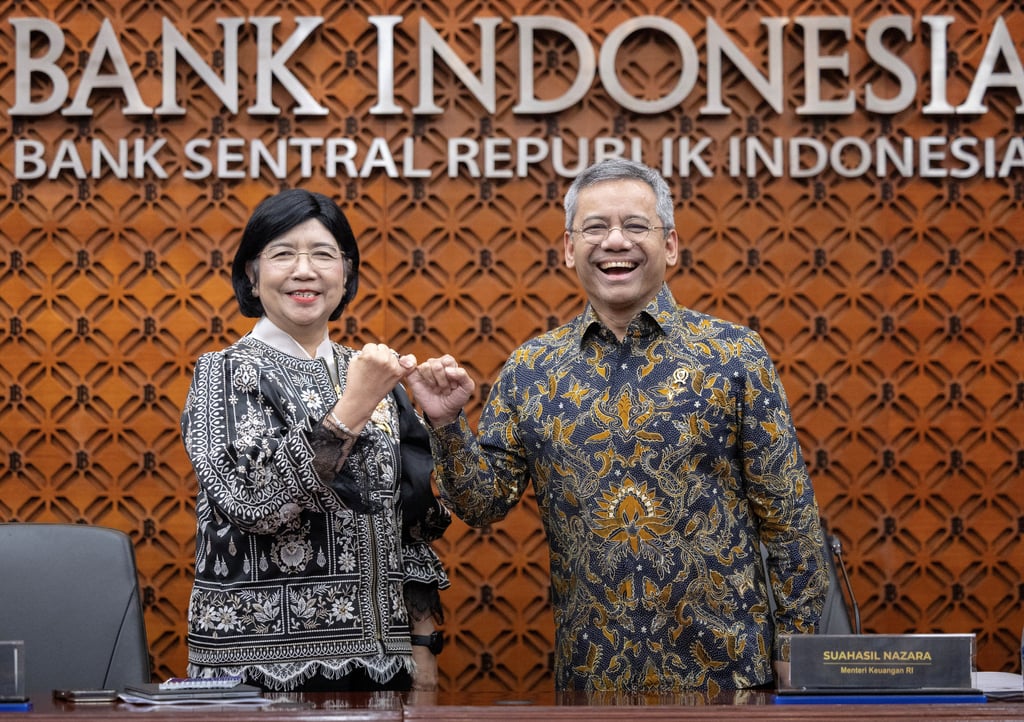
In an interview with Reuters on Monday, Destry insisted the central bank had “full autonomy” to set interest rates while maintaining “synergy” with the government.
“When we’re about to make a policy decision – whether to raise or lower interest rates or to use other incentives – we have full authority to make that decision,” she said.