
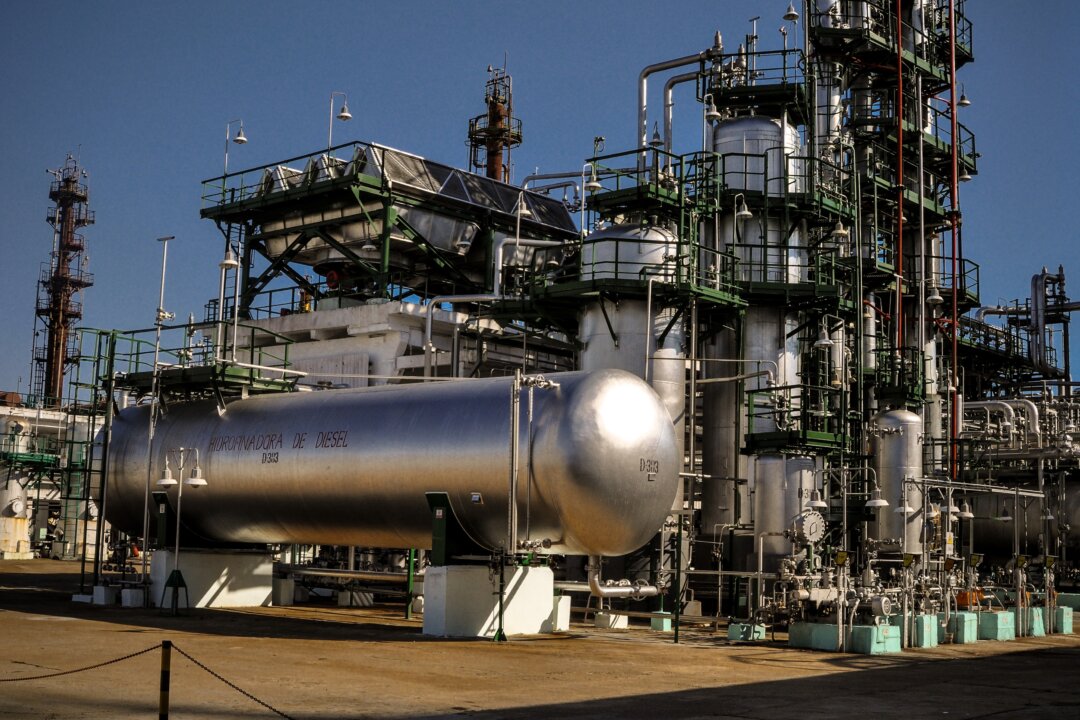
Cuba’s government announced plans Oct. 13 to open oil and gas exploration and production to private firms at home and abroad next week.
The legislation comes as the communist country continues to struggle with fuel shortages and electricity outages resulting from its crumbling infrastructure and a U.S. fuel blockage.
Cuba’s Oil and Gas Decree law, set to take effect on Oct. 19, establishes a new legal framework to allow domestic and foreign private companies to participate in oil and gas exploration on land and offshore, while maintaining state ownership of the country’s energy resources.
“Sovereignty over hydrocarbons is compatible with cooperation,” Cuba’s Energy and Mines Ministry stated, according to an unofficial translation of a post announcing the legislation Wednesday.
The new law was published in Cuba’s Official Gazette on Tuesday, updating 1938 and 1959 petroleum legislation.
Under the new framework, private companies can participate through production-sharing agreements, oil concessions, specialized service contracts, and other partnerships outlined in the law.
The agreements can last up to 40 years, with a possible 10-year extension. Oil concessions may be contracted for up to 30 years, with a 10-year extension available.
Under the production-sharing agreements with the state, companies can recover their investments and expenses through oil proceeds. Remaining profits will be shared with the government on a percentage basis set in the agreement.
Cuba will keep the mineral rights and control authorizations, which also require approval from Cuba’s governing bodies—the Council of State and the Council of Ministers.
Cuba will also establish the prices for oil, gas, and petroleum products produced by private entities using international market prices. The final prices will be determined by government economic advisers.
Private entities will be charged state taxes and royalty fees, which can fluctuate and depend on the global market. Operators will also be required to meet environmental rules and industrial safety measures, and can face penalties for violations.
The legislation covers exploration, production, refining, and transportation and commercialization on land and in specific offshore areas of Cuba’s continental shelf and exclusive economic zone.
The law also allows Cuban enterprises with more than 100 employees to apply to participate in the program. Foreign investors must get government approvals.
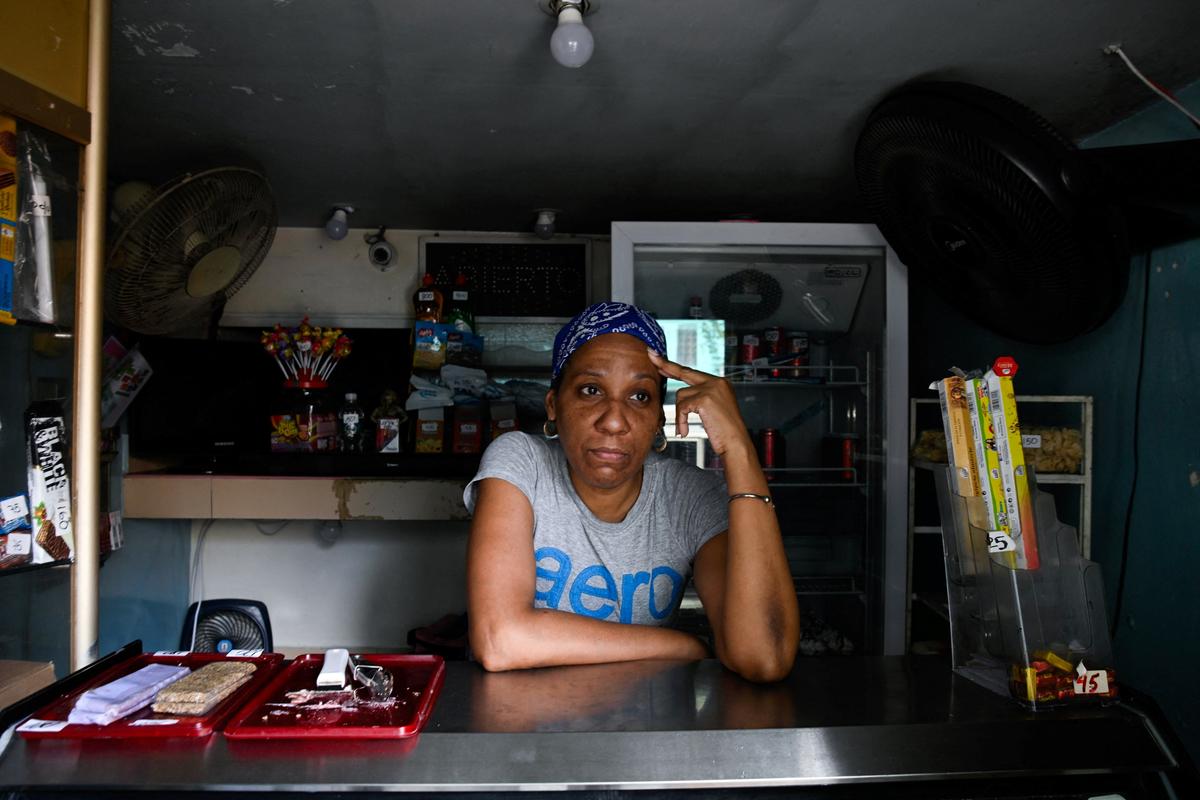
The major reforms were made amid an energy crisis for island residents.
Cuba claims it has already started to improve its energy supply.
“Cubans continue to face serious electricity shortages, but recently we have been experiencing signs of improvement,” a representative from Cuba’s Ministry of Foreign Affairs said in a video posted on X Wednesday. “Recovery won’t happen overnight but Cuba has a plan and the results are beginning to show.”
The country has expanded solar power to 144 photovoltaic parks with 1,418 megawatts of installed capacity, according to the department.
U.S. State Department officials doubted Cuba’s legislation would attract private interest.

“These gradual ‘economic reforms’ are modest, long overdue and ultimately superficial smoke signals from the Cuban regime,” the spokesperson told The Epoch Times in an emailed statement Tuesday.
President Donald Trump continues to apply pressure to the country’s communist regime as a way to drive more substantial economic and political reforms, and address national security interests posed by Cuba, the spokesperson said.
Trump’s economic and political reforms “would make Cuba investable, allow private businesses to grow in ways that will help the Cuban island develop and recover, and give the Cuban people the freedom, dignity and opportunity they deserve,” the spokesperson said.
Cuba’s government has had difficulty luring foreign investors, despite thousands of Cuban expatriates in the United States and other foreign companies that want to participate, U.S. Secretary of State Marco Rubio said last month.
“No one is going to invest in Cuba,” Rubio told reporters on Sept. 23. “Why would I invest $10 million in Cuba if, two years from now, they just decide to change the rules, take it from me, keep the money and never pay me back. And that has happened over and over and over.”
Rubio said U.S. law also restricts American companies from doing business in Cuba.
“Unlike some other parts of the world, U.S. policy towards Cuba is codified by law and statute,” Rubio said. “There are substantial limitations to what any American company can do in Cuba.”
We had a problem loading this article. Please enable javascript or use a different browser. If the issue persists, please visit our help center.