
Beijing is targeting Taiwan’s political circles in order to meddle in the island’s democracy and stockpile leverage for annexation, analysts say.
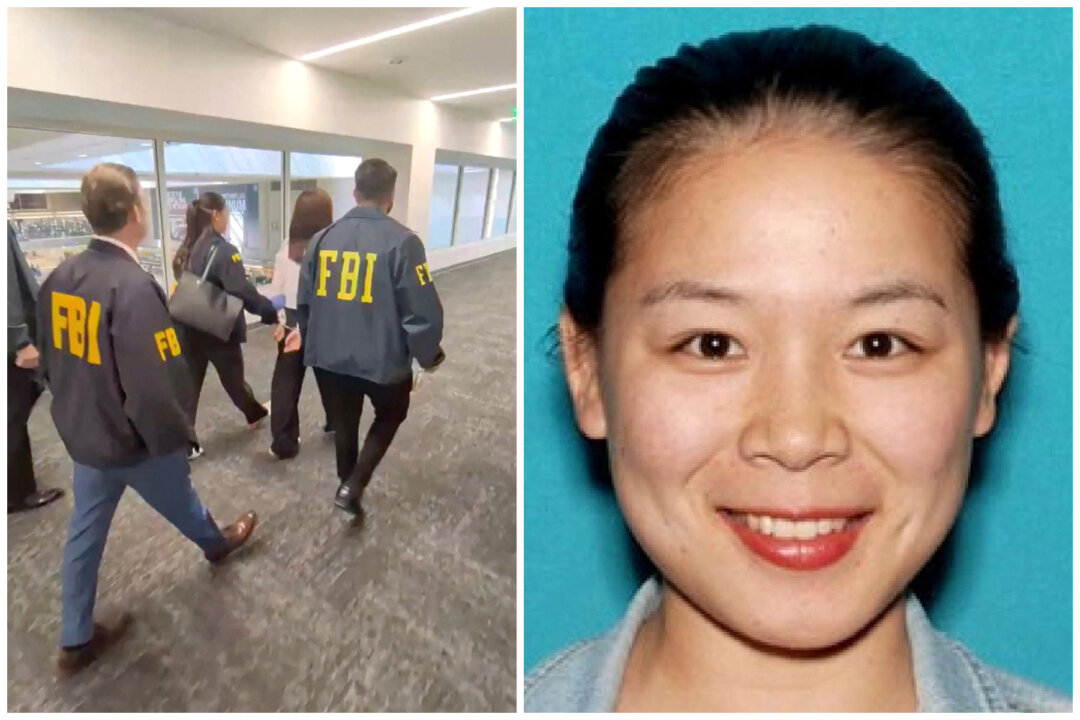
The warning comes as a U.S. prosecutor on Oct. 7 at a court hearing alleged that Wanying “Heather” Zhang is a “secret agent of a hostile foreign power,” and a judge ordered her to remain in custody.
Zhang, a China-born naturalized U.S. citizen and a registered real estate agent in California, is accused of surveilling Taiwanese President Lai Ching-te’s son in the United States “at the direction of Chinese government officials,” the U.S. attorney’s office in Los Angeles said in an Oct. 5 press release.
Shen Ming-shih, a researcher at Taiwan’s Institute for National Defense and Security Research, said Beijing is seeking to build files on Lai’s relatives, tracking their daily movements and private lives, to use for its “united front work” strategy and intimidation.
This influence operation network employs a combination of inducements, surveillance, and infiltration across various sectors of society.
“Information on the families of Taiwan’s top officials could hand China a bargaining chip in any future cross-strait conflict or political crisis,” Shen told The Epoch Times.
Lai, who has taken a firm stand against Beijing’s annexation threat, has been branded a “diehard separatist” by the Chinese Communist Party (CCP), which has vowed to “reunify” Taiwan and mainland China by force despite never having controlled the self-ruled democracy.
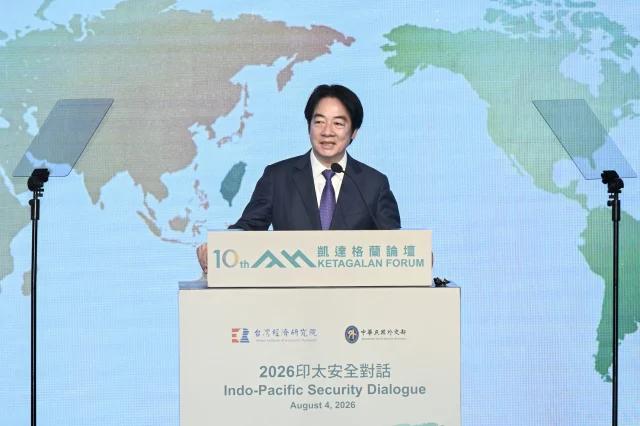
Ken Wu, vice president of the Los Angeles chapter of the Formosan Association for Public Affairs, said targeting Lai’s son, who holds no public office and shows no evidence of political activism, indicates that Beijing considers Lai’s leadership the obstacle to invading Taiwan.
“One important objective is to interfere in Taiwan’s democratic elections, using overseas operations to produce outcomes favorable to the CCP,” Wu told The Epoch Times.
“I believe the CCP hopes to use agents or spies in the United States to obtain firsthand information that it can exploit over the next two years.”
Taiwan will hold nationwide local elections on Nov. 28, a vote widely seen as a midterm test for Lai’s administration, followed by a presidential election in early 2028.
At the Oct. 7 hearing, the prosecutor argued that Zhang poses a high flight risk, saying she had traveled to China 12 times since 2014 and received $190,000 in a Chinese bank account from an unregistered cryptocurrency exchange.
FBI agents arrested Zhang at Los Angeles International Airport on Oct. 4, shortly before she was due to board a flight to Shanghai.
At an Oct. 6 press conference, Chinese Foreign Ministry spokesperson Guo Jiakun claimed to have no knowledge of the details and rejected what he called attempts to push a “Chinese spy” narrative.
‘Not the Only Target’
Wu said Lai’s son is certainly “not the only target.”
“Any individual or organization overseas that makes the CCP uneasy or obstructs its political objectives could become a target of monitoring, infiltration, or repression,” he said.
Wu said Taiwanese officials and diplomats are likely in the CCP’s sights as well, since only 12 countries recognize Taiwan.
“[Taiwan’s] representatives may not enjoy the same diplomatic status and protections as their counterparts from countries that maintain formal diplomatic relations with their host governments,” he said.
Shen said the case shows that the Chinese regime’s campaign against Taiwan now spans the globe, drawing on operatives from all walks of life.
“The CCP could draw Chinese people abroad who seem ordinary into its spy network,” he said.
He said such networks could leave the overseas relatives of Taiwan’s government officials and prominent political figures facing long-term gray-zone threats—aggressive and coercive actions that are designed to intimidate an opponent yet remain below the threshold of warfare.
“These range from harassment and surveillance to cybersecurity risks,” he said.
“Charging Zhang with a felony shows Washington values its ties with Taiwan and is using the courts to send Beijing a stern warning.”
Lasting Damage
Wu said Zhang’s arrest, along with a string of similar cases, shows Washington has long taken the CCP’s threat to U.S. national security and individual rights seriously and has acted against it.
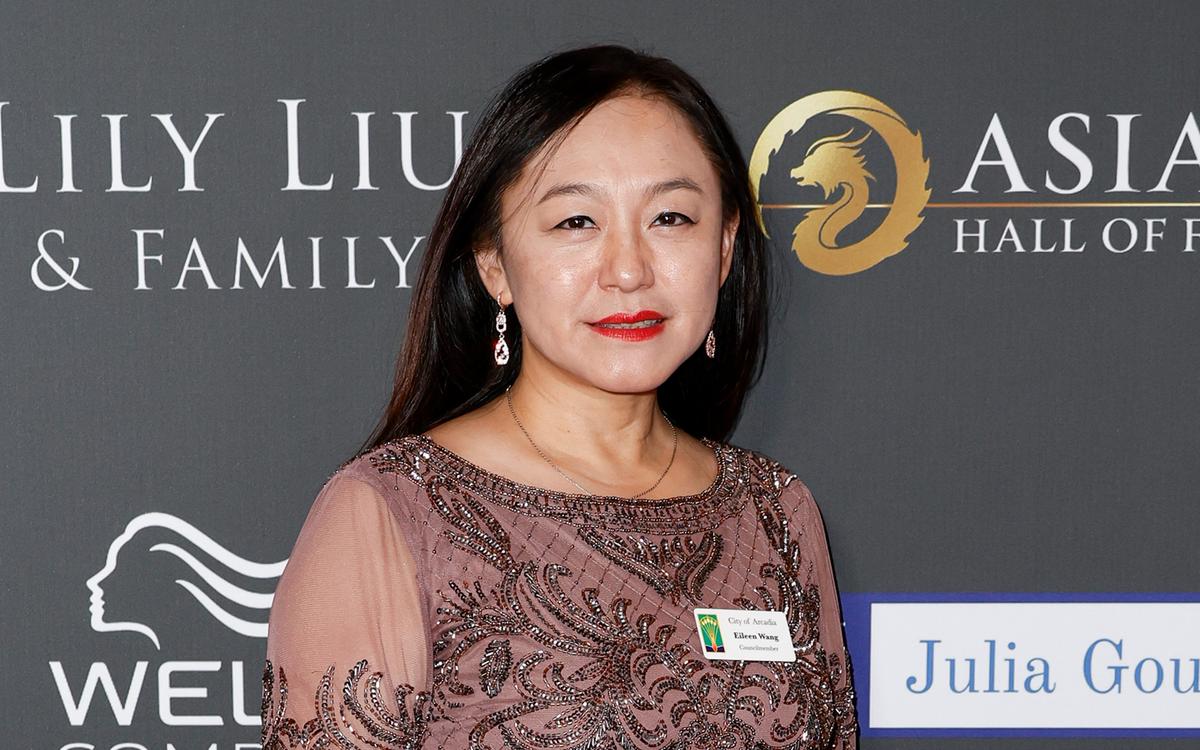
In one of the recent cases, Eileen Wang, then mayor of Arcadia, California, agreed in May to plead guilty to serving as an illegal agent of the CCP and resigned from office.
Wu said not every country can counter Beijing’s transnational repression, and some may cave under enough pressure or inducements.
“The CCP has spent years cultivating informants and agents within societies abroad, particularly in the democracies of the free world,” Wu said.
“It exploits their openness to gather intelligence, exert influence, and extend the reach of authoritarian rule across their borders.”
Shen agreed, saying Beijing’s operatives erode freedoms and human rights in the countries where they work, with little regard for national sovereignty.
“Exiled dissidents, activists, and minorities are being harassed, intimidated, and coerced by the CCP even inside democracies,” he said.
“Its agents conceal who they are while carrying out Beijing’s political orders, in serious violation of local laws.”
Shen said the regime’s intelligence networks often use rewards or threats to win people over, fueling growing distrust of the communities involved.
“The damage to free societies worldwide will be lasting,” he said.
We had a problem loading this article. Please enable javascript or use a different browser. If the issue persists, please visit our help center.