
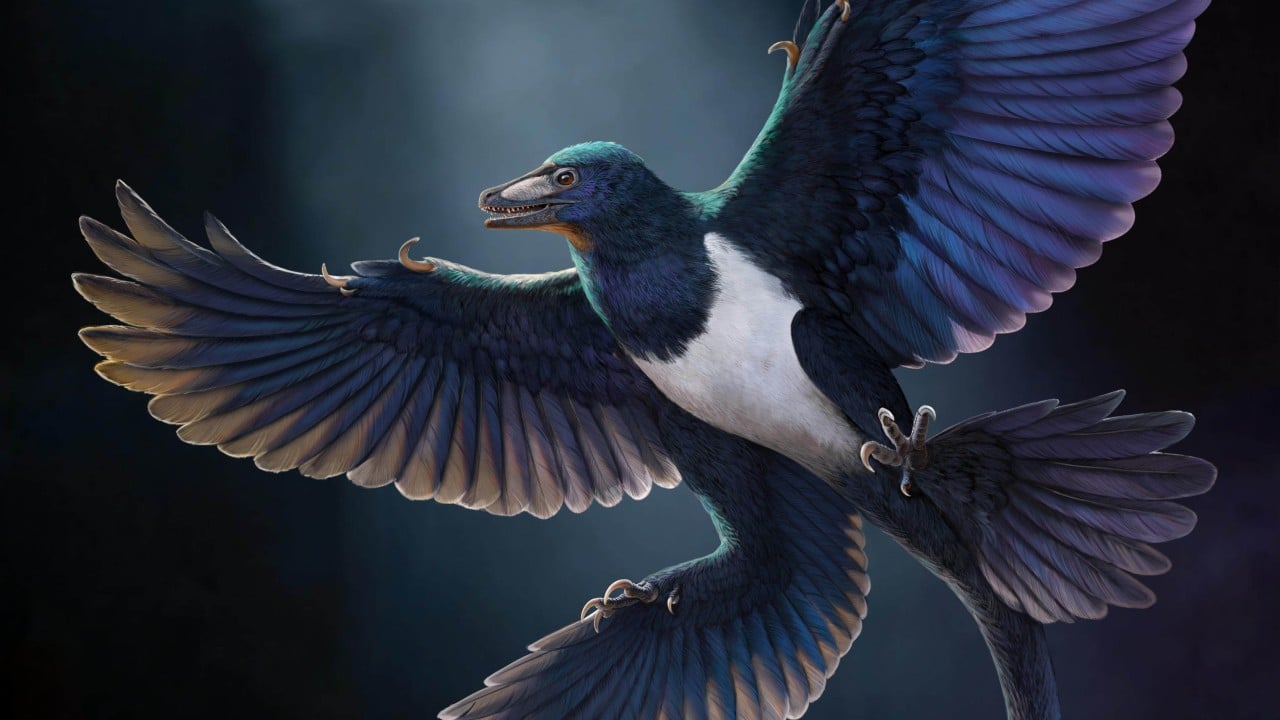
Scientists have unveiled an exceptionally well-preserved 100-million-year-old fossil of a small, feathered dinosaur in northeastern China that could reshape our understanding of how dinosaurs took to the skies.
The newly discovered species, named Norellraptor barsboldi, is a four-winged predatory dinosaur measuring 57cm (22 inches) long.
Belonging to the microraptorines – small dinosaurs with feathers and wings closely related to birds – the creature offers fresh evidence that flight evolved independently in different dinosaur lineages rather than from a single common origin.
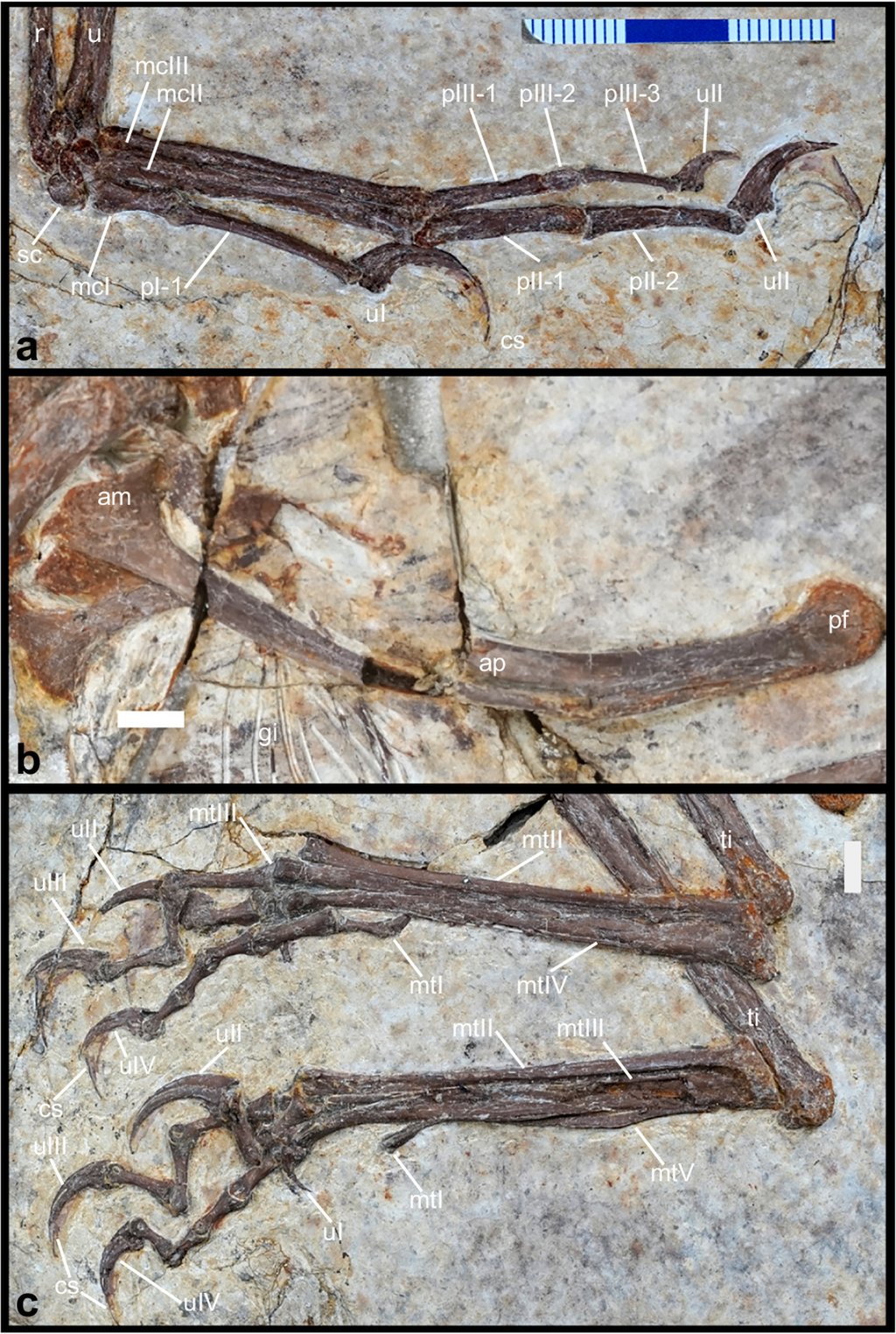
“These results dismiss a shared developmental pattern driving the evolution of the flying dinosaurs and support multiple and independent selective regimes at the origin of the winged taxa in Paraves,” the researchers wrote, referring to the group that includes birds and microraptorines.
The team of scientists from institutions in China, Italy and Slovakia published their findings in the peer-reviewed journal Nature Communications on Tuesday.