
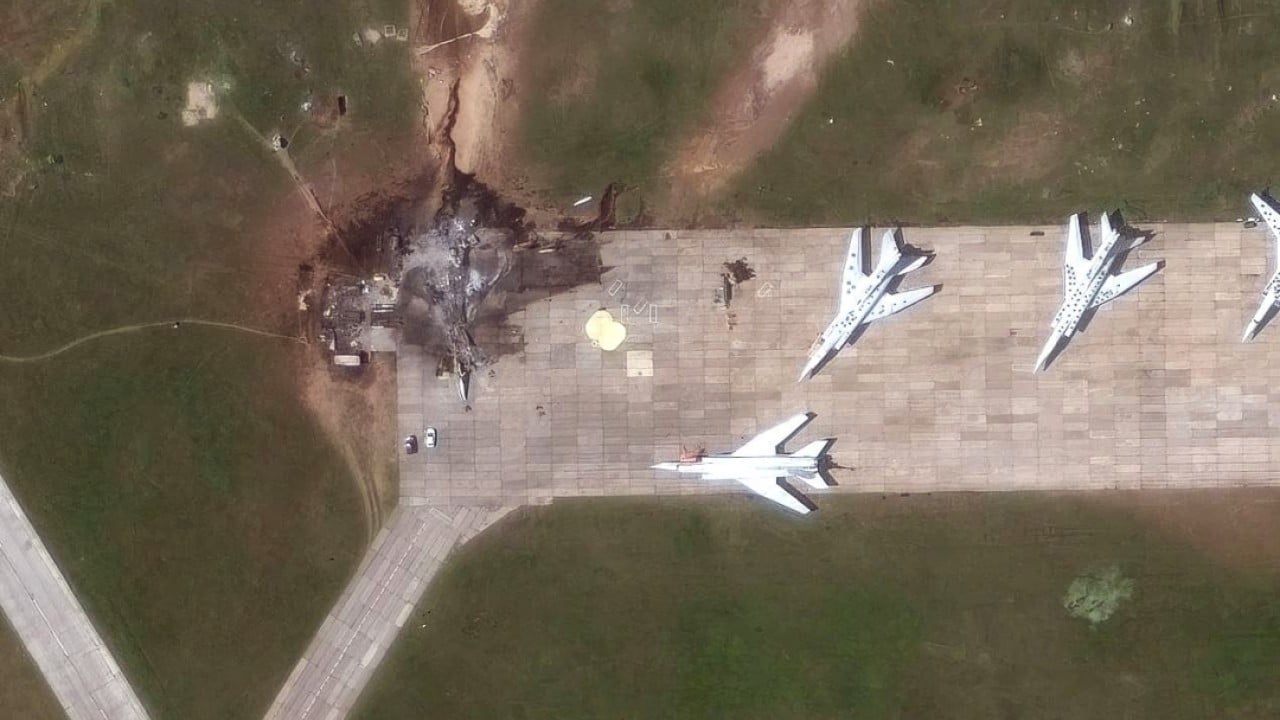
China has been urged to draw on the lessons from Ukraine’s communications as it looks at new forms of wartime messaging.
A recent study concluded that in the complex modern information environment, possessing advanced technology was not enough because success would depend on “weaving” together the information strategy and military operations.
It said such campaigns should try to shatter the adversary’s sense of security while strengthening domestic resolve and gathering international support.
Beijing should prioritise “multi-actor coordination”, where government, think tanks and internet influencers are all used to deliver the message in sync, researchers at the National University of Defence Technology argued.
They also called for layered storytelling tailored to different audiences and the aggressive use of generative AI tools to create, promote and defend its messaging amid “the complex landscape of international public opinion”.
Their article, published in the Chinese journal Defence Industry Conversion, analysed the impact of Ukraine’s June 2025 operation, code-named Spiderweb, when more than 100 drones, hidden inside ordinary commercial trucks, attacked five Russian airbases deep inside the country.