
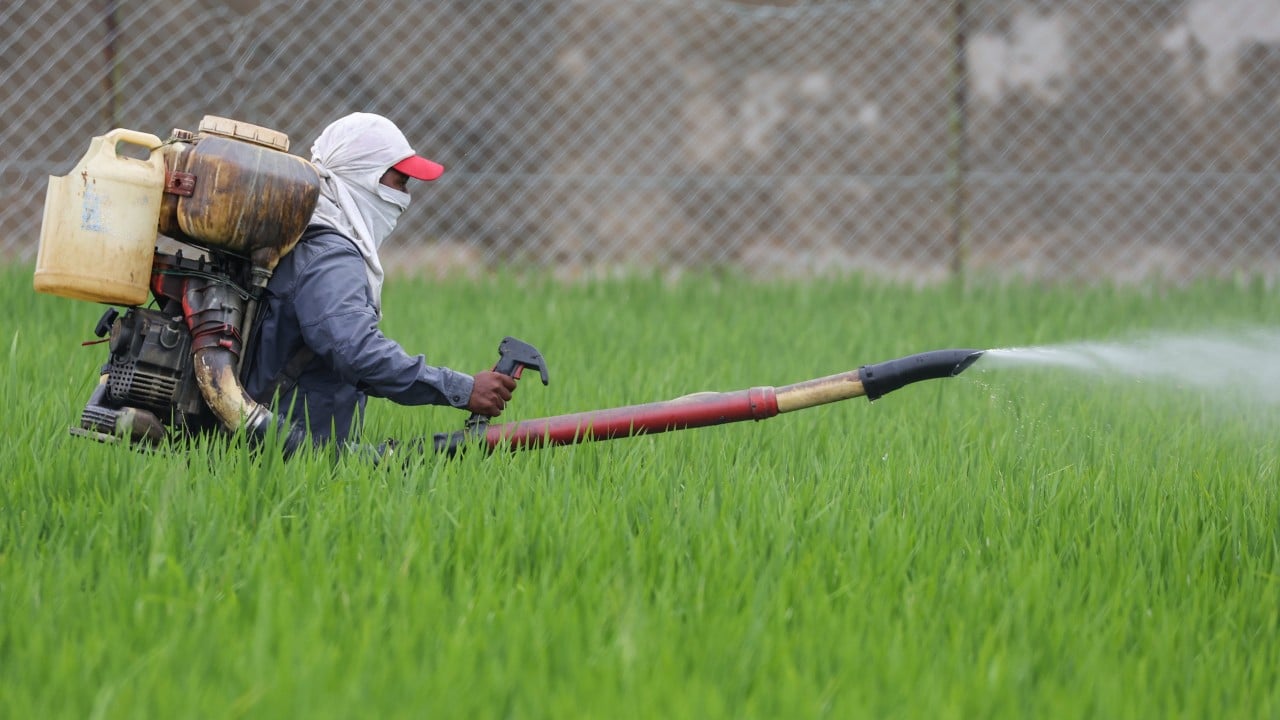
When the day heats up, small business owner Chung Kee Wa, 68, changes how he tends his oil palm plantation in Yong Peng, in Malaysia’s southern Johor state.
Oil palms younger than three years offer little shade, so he tends them in the early mornings and evenings, spraying pesticide, applying fertiliser or weeding. “We try our best to avoid going to the plantation around noon,” Chung said.
He carries extra drinking water and, as a smallholder, decides when to slow down or change his hours.
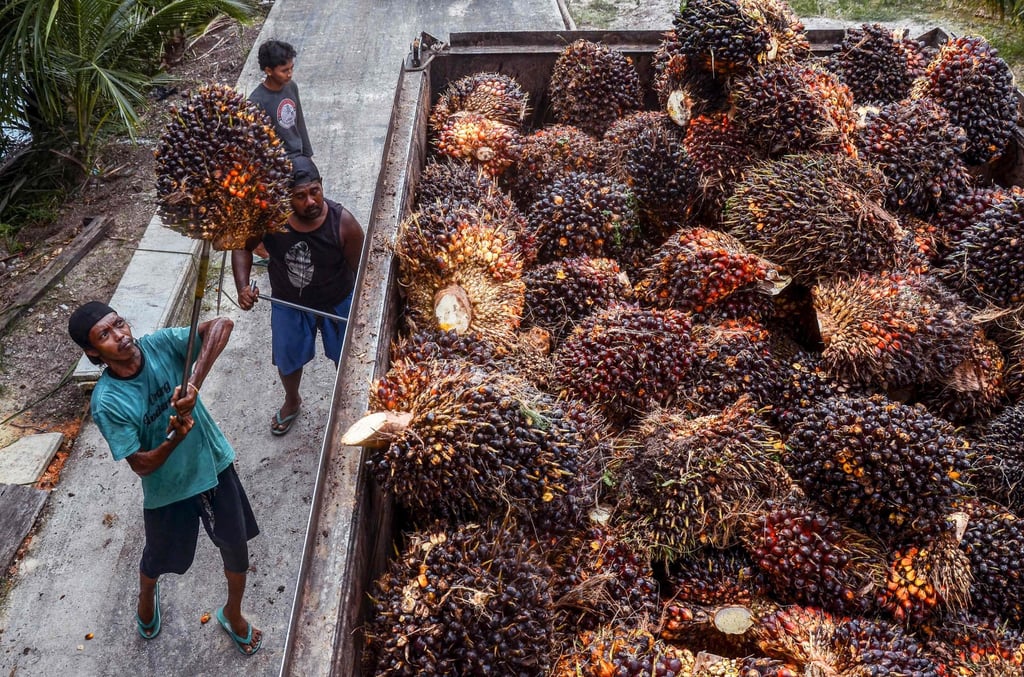
But not everyone shares that luxury. Many construction, agriculture and platform workers across Southeast Asia lack that flexibility because employers or output determine their schedules.
Southeast Asia is getting hotter, with the annual mean temperature rising by 0.14 degrees Celsius (0.25 degrees Fahrenheit) to 0.2 degrees per decade since the 1960s, according to an Asian Development Bank report in June.
Many Southeast Asian cities lacked adequate heat risk assessments, and regulations protecting outdoor workers from extreme heat were either weak or unenforced, the report said.