
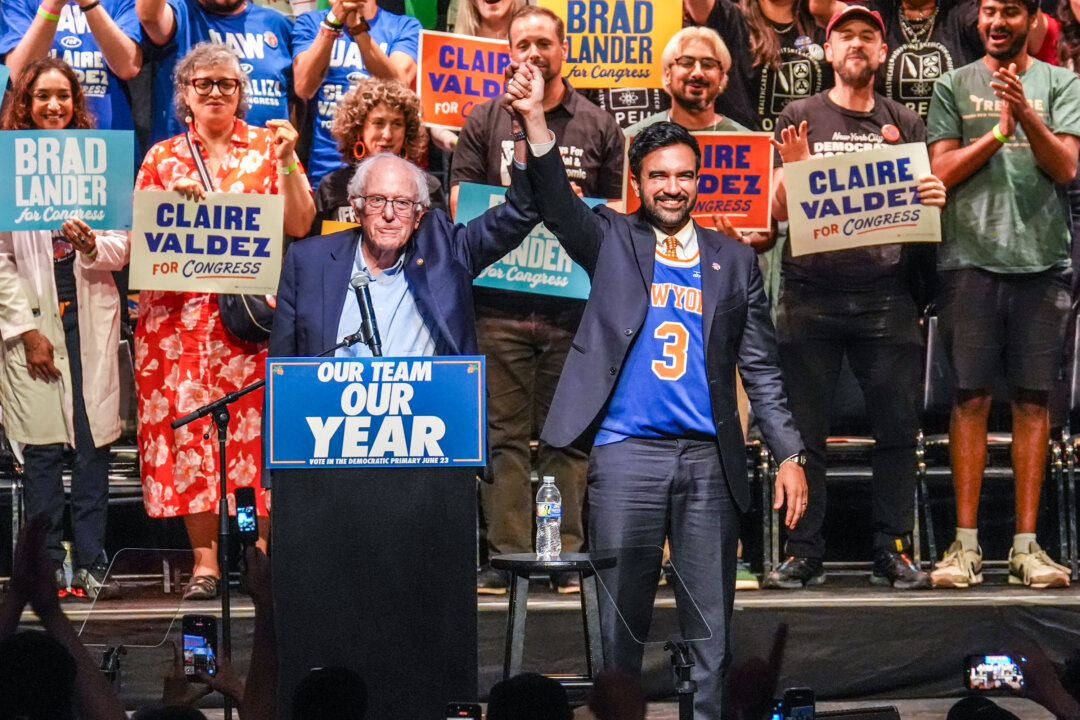
Democrats are split on the future of their party as a swell of candidates linked to democratic socialist policies have seen a series of primary victories in blue seats and a handful of key swing races.
A split between two core factions of Democrats—progressives, left-wing populists, and democratic socialists on one side; and centrists, moderates, and establishmentarians on the other—has simmered just beneath the surface of Democratic Party politics since 2016.
Now, Democratic candidates with ties to the Democratic Socialists of America (DSA), proponents of democratic-socialist policies, and progressives who have eschewed the label have begun to rack up wins in key races.
In one of the most recent high-profile cases, epidemiologist Abdul El-Sayed—who ran as a progressive outsider rather than a democratic socialist—defeated Rep. Haley Stevens (D-Mich.) for the Democratic Senate nomination.
More recently, Florida Democrats nominated Democratic Socialist Angie Nixon for the Democratic nomination in November’s special election to finish out the term of the Senate seat vacated by Secretary of State Marco Rubio.
Nixon, who earlier this year declared she had joined the Democratic Socialists of America (DSA) party but downplayed that association during the campaign, will face Sen. Ashley Moody (R-Fla.), who was appointed to fill Rubio’s seat, in the general election.
For Democratic voters and decision-makers, the rise of the faction has prompted a moment of reflection and debate on how to move forward.
In Wisconsin, Democratic voters made clear that they’re not necessarily decided in favor of the insurgent faction, selecting establishment-backed Milwaukee County Executive David Crowley for the nomination over state Rep. Francesca Hong, a democratic socialist.
Here’s what to know about the divide splitting Democrats across the country.
Democratic Socialism
There is no universally accepted definition of democratic socialism, though its supporters and critics would generally agree on its core policy features.
Under democratic socialist systems, such as those found in Scandinavia, the wealthy pay a much higher share of taxes to finance extensive social and welfare policies. As democratic systems, they are managed by representatives elected by the people.
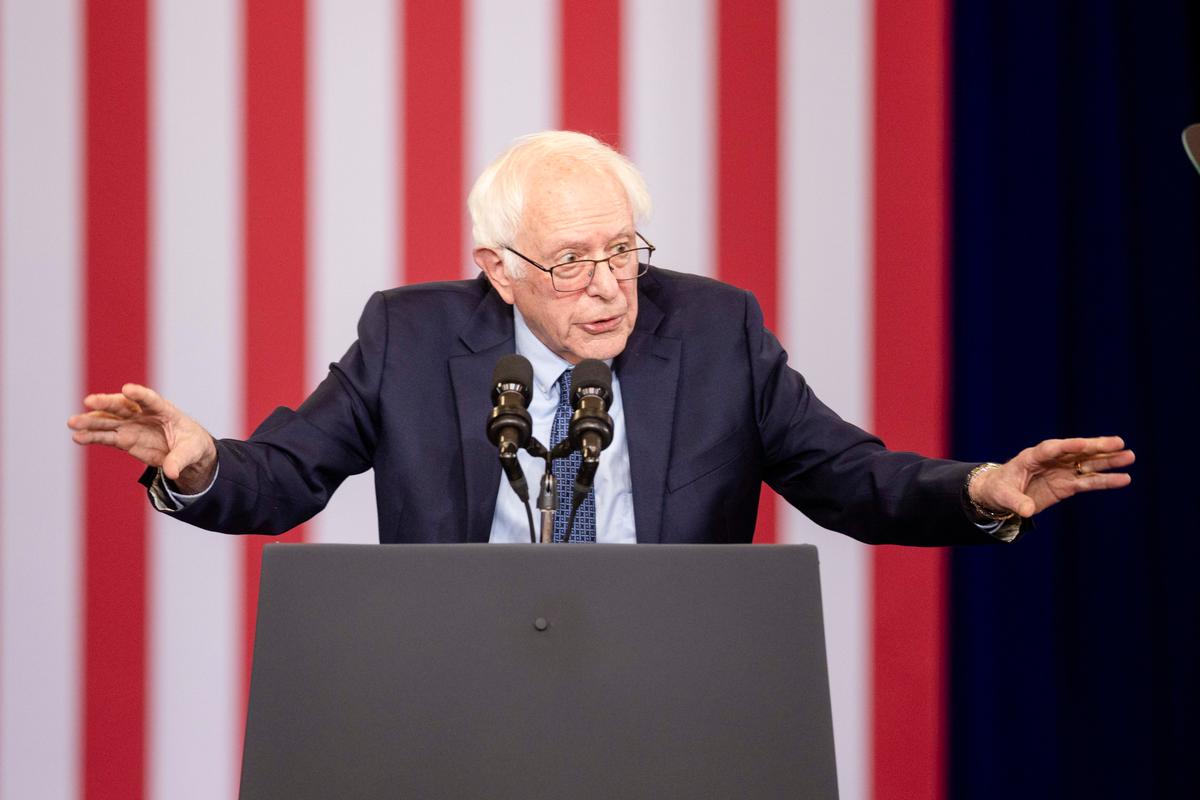
Sen. Bernie Sanders (I-Vt.), a high-profile advocate of the system in U.S. politics, has defined it as entailing similar ends to those pursued under the New Deal, describing it as a system similar to the high-tax, high-spending approach pursued by President Franklin Delano Roosevelt.
The DSA offers a form of democratic socialism that would entail major changes to the structure of the U.S. government and wide-ranging policy changes.
“Capitalism is a system designed by the owning class to exploit the rest of us for their own profit,” the DSA wrote on its website. “We must replace it with democratic socialism, a system where ordinary people have a real voice in our workplaces, neighborhoods, and society.”
The organization’s platform calls for abolishing the U.S. Senate and Electoral College, replacing the presidency with congressional leadership akin to a parliamentary system, adopting a multi-party system, and abolishing ICE and the current prison system.
The organization’s specific planks include a call for single-payer healthcare, government assistance for tuition and childcare, guaranteed jobs, expanded retirement benefits, universal paid family leave, rent control, and expanding affordable housing.
Establishment Versus Democratic Socialists
Ideological disputes with the democratic socialist and progressive factions of the party have raged within the party establishment for more than a decade.
In 2016, Sanders launched his left-wing populist bid—describing himself as a democratic socialist, drawing vast support among young people at the time.
In that case, the Democratic establishment sided firmly with Clinton, with only 47 of the uncommitted superdelegates backing Sanders, compared to more than 600 for Clinton.
In 2025, the dispute came to national attention after New York Assemblyman Zohran Mamdani—who has open ties to the Democratic Socialists of America (DSA)—successfully won his long-shot election for New York City mayor.
Since then, a surge of anti-establishment sentiment in primaries from DSA- and non-DSA-backed candidates alike has spread nationwide.
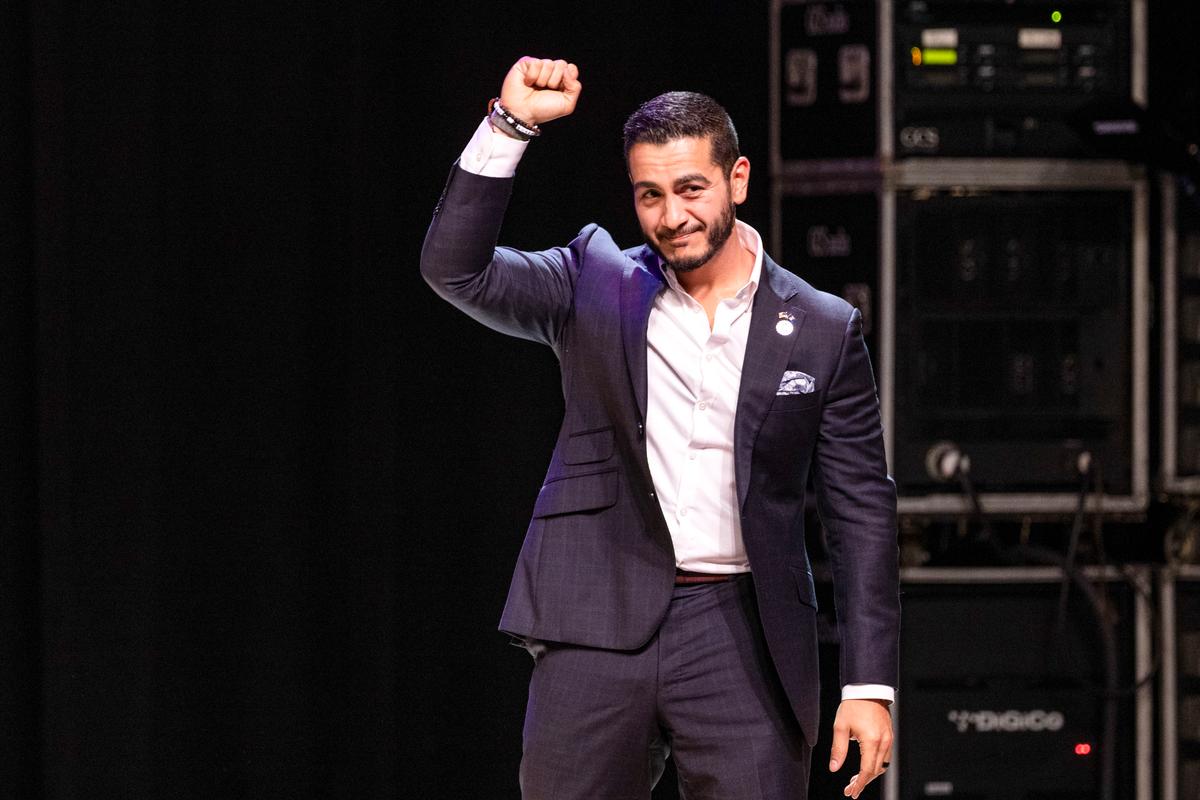
Eastern Michigan University professor of political science Joshua Koss said that Michigan, in the aftermath of El-Sayed’s victory, represents a microcosm of the conflict.
“In a lot of ways, the Michigan Democratic Senate primaries kind of resembled sort of a microcosm of some of this broader discussion we’re seeing within the Democratic Party at the national level,” Koss said. “You have sort of your more kind of ‘establishment’ mainstream wing that’s represented by Stevens … and then Abdul Al-Sayed, who is not endorsed by the DSA, but sort of, you know, kind of, in that DSA-adjacent outsider wing of the party.”
For some Democratic voters, merely being associated with the establishment has been enough to drive opposition.
Paul Tramp, an al-Sayed voter, told The Epoch Times, “Stevens seems a little more … tied into the mainstream.”
Tramp said he had otherwise tuned out of politics.
Mamdani Drives Enthusiasm
Mamdani’s victory marked the first major win for the rising wing of the party.
In that contest, he defeated former New York Gov. Andrew Cuomo, who had built a coalition of moderate Democrats and Republicans, in one of the most-watched elections of 2025.
Dale Nook, leader of the Bayview team of the Wisconsin Democrats, told The Epoch Times that enthusiasm about Mamdani’s victory and platform—Mamdani ran on raising taxes on the wealthy and expanding the city’s social services—had percolated among Democratic voters.
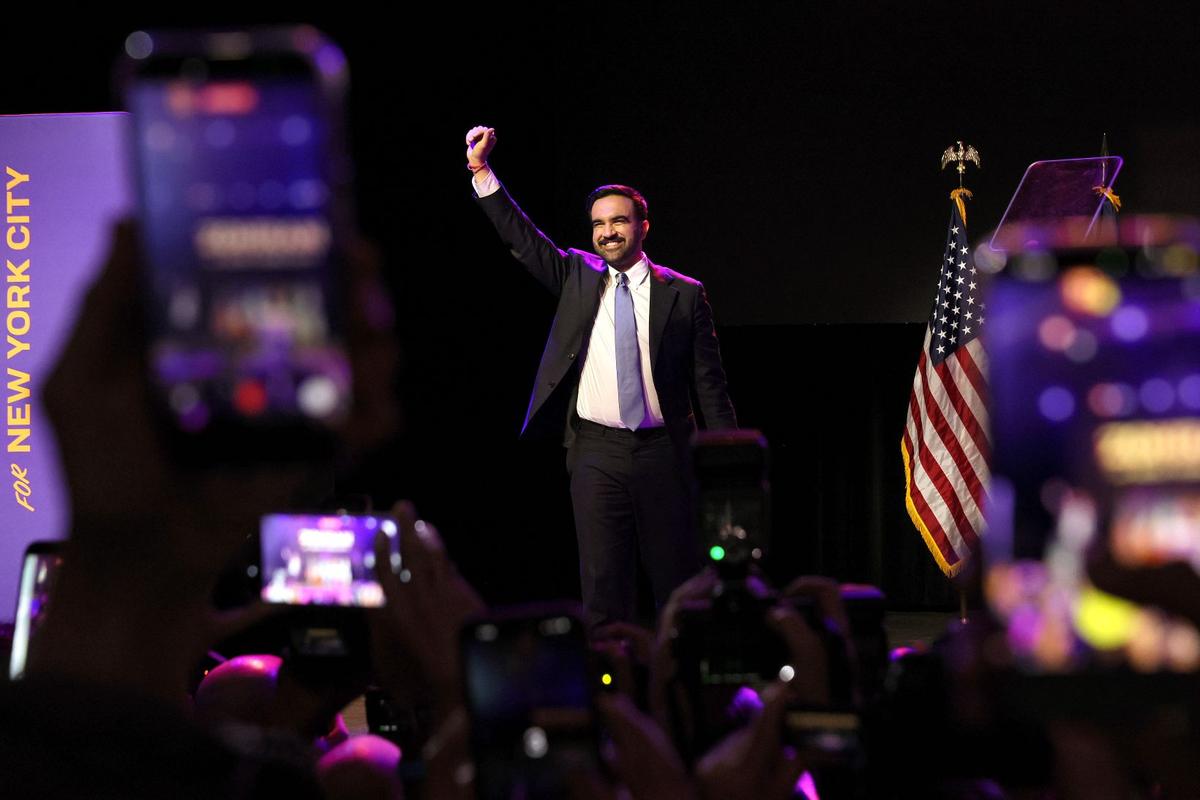
“I’m excited about everything in New York, and he’s doing everything he said he was going to do,” Nook said, also referencing Rep. Alexandria Ocasio-Cortez (D-N.Y.), who he said also “defeated a centrist Democrat in an upset, and she’s also been an excellent legislator.”
In his Milwaukee-suburb office of the Democratic Party, Nook said he had seen considerably more enthusiasm among young Democrats in the wake of Mamdani’s victory.
Primary Success
Several candidates aligned openly with the DSA, backed by the organization, or simply driven by the same outsider spirit that drove Mamdani’s campaign, have racked up wins in primaries since Mamdani’s 2025 upset win.
A total of seven DSA-backed candidates have won their primaries—including some of the organization’s most well-known members, including Ocasio-Cortez and Rep. Rashida Tlaib (D-Mich.), both incumbents.
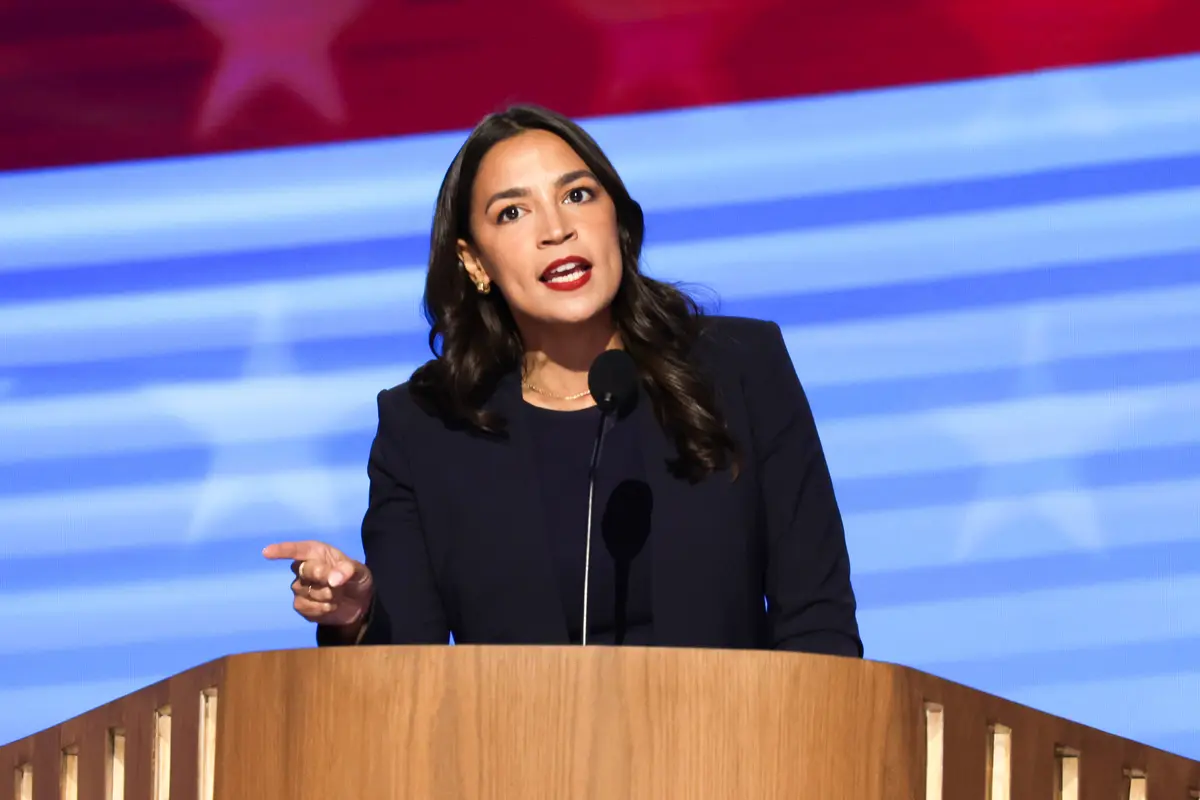
Outside these two, other DSA-backed primary winners include Chris Rabb in Pennsylvania, Claire Valdez and Darializa Avila Chevalier in New York, Melat Kiros in Colorado, and Donavan McKinney in Michigan.
While he’s not a DSA member or a democratic socialist, El-Sayed has broadly aligned himself with the faction of outsider progressives, being pegged by Koss as being proximate to the faction.
‘We Need Something Different’
According to Democrats in key swing states, youth voters have heavily driven a leftward shift in the Democratic Party in recent months, driven by a perception that the current system is apathetic and in need of reform.
“I think what’s happening in the government right now is not really great,” Trianthy Sepsakos, a voter in Ann Arbor, Michigan, told The Epoch Times.
“We need something different because what Republicans are doing, I don’t think is helping the American people.”
Kelsey, a Democratic volunteer in Milwaukee who didn’t provide her last name, told The Epoch Times that she believed affordability was a key concern for these voters.
“The cost of living combined with student loans is absolutely killing people of my generation, and I think Gen Z is suffering from it, too,” Kelsey said.

Matthew Sepsakos, Trianthy’s husband, told The Epoch Times that the cost of living was also a top concern for them.
Sepsakos also said that his community of Canton, Michigan, had been used as a dumping ground for waste from Flint, Michigan, and that these local environmental concerns partially drove their vote.
Kelsey said that in the case of Hong’s bid in Wisconsin, AI data centers had been a top voter issue driving support for the democratic socialist as well.
“I know part of it, at least for my social group, is her stance on AI data centers, being solidly against them in the state, and I think that is actually a bipartisan issue,” Kelsey said.
“Like I don’t know anybody who looks at the construction going on by Port Washington and goes, ‘Oh yeah, great!’” she said, citing a development that had proceeded over the opposition of the local community. “Nobody likes that, nobody wants them here, and I think that might be a uniting issue for her.”
But Maybe Not Too Different
The string of wins for democratic socialists ended in Wisconsin after centrist-aligned Milwaukee County Executive David Crowley, who entered the race late, successfully defeated Hong, who had spent weeks dominating the polls.
In the last poll taken of the race, conducted by State Navigate between Aug. 3 and Aug. 6, Hong doubled Crowley’s share, taking 44 percent support to Crowley’s 22 percent.
Crowley’s watch party in Milwaukee was sparsely attended and relatively small compared with other such events.
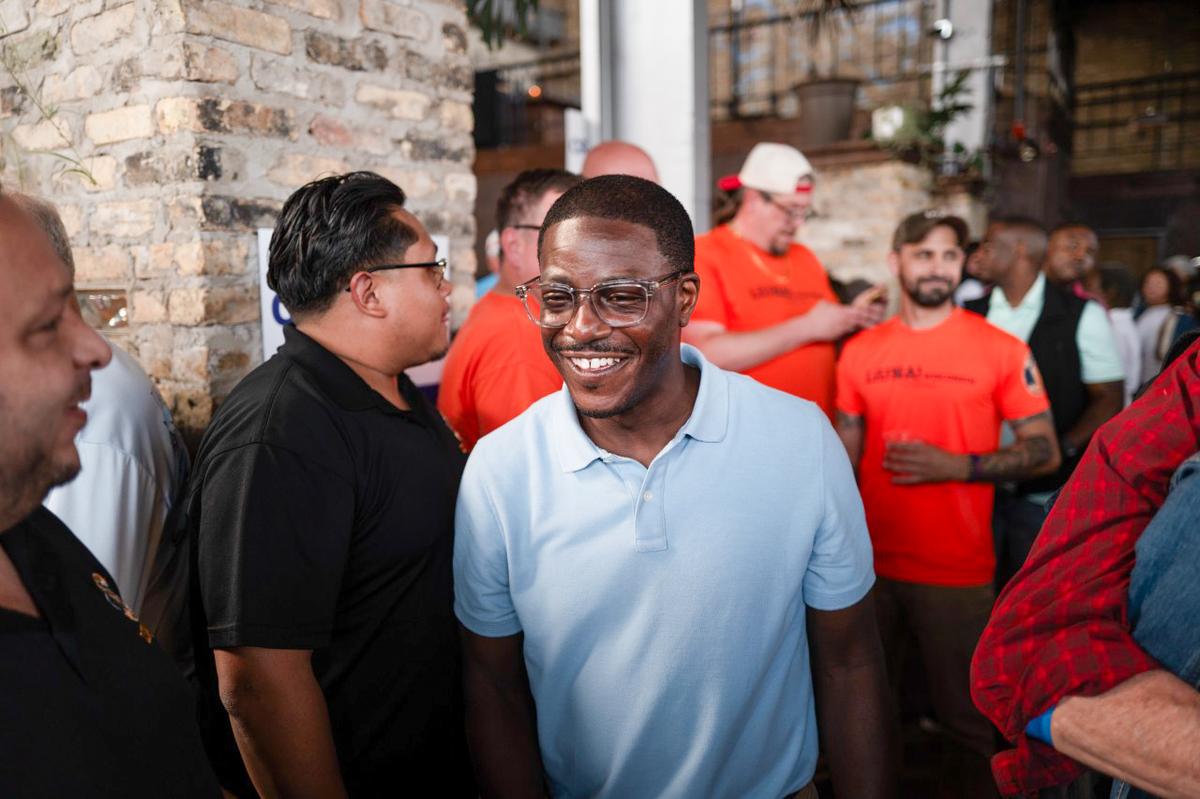
For Wisconsin centrists, electability was a key concern.
While some agreed with her policies and wished for her success, these same voters backing Crowley thought she couldn’t win in a general election matchup.
That concern isn’t only shared by Wisconsinites. According to Koss, it was also a driving factor in El-Sayed’s primary.
“Within the context of the [Michigan Senate] primary, we’ve had this big focus on—as one of the main themes—the electability within the general election,” Koss said.
Democrats ultimately rejected Hong amid concerns within the party that past remarks—including a post calling to “Cancel Thanksgiving”—could raise significant challenges in the general election.
These liabilities drove Wisconsin Gov. Tony Evers to go all in on Crowley’s last-minute bid, even declining to say whether he’d campaign with Hong if she won the primary.
Crowley’s strong performance underscores that the ongoing battle between moderates and the far-left flank of the party is far from settled.
“I think there’s sort of a lot of people kind of waiting on the sidelines to see how this bursts out, and then sort of dictate what direction the party goes from here,” Koss told The Epoch Times, reflecting on the national debate.
We had a problem loading this article. Please enable javascript or use a different browser. If the issue persists, please visit our help center.