
David M Lampton is professor emeritus at Johns Hopkins School of Advanced International Studies, a former president of the National Committee on US-China Relations, and author of “Living US-China Relations: From Cold War to Cold War”.
With the death of former Chinese premier Zhu Rongji, both China and the wider world have lost a great leader.
Zhu took personal risks for better US-China ties. He believed that productive Sino-American relations were good for China and for the world.
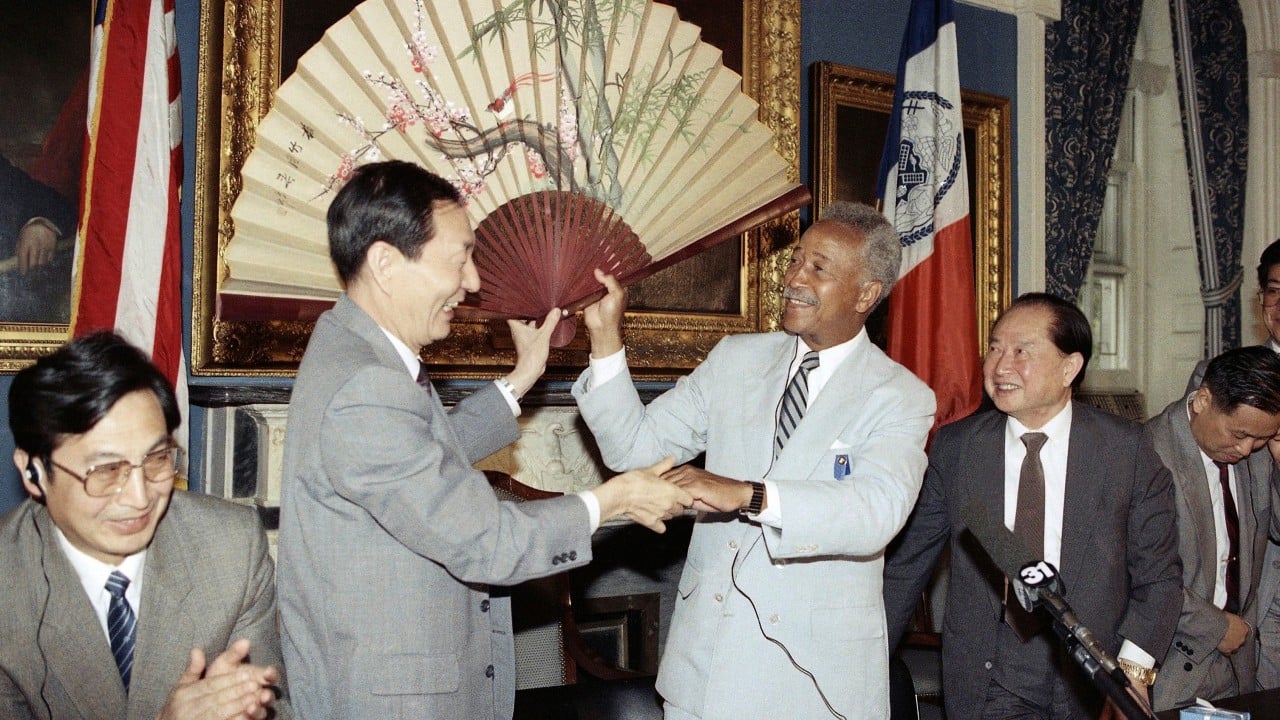
He was a global leader before China had achieved its current great power status. In mid-1990, when I was president of the National Committee on United States-China Relations, our organisation invited Zhu, then Shanghai mayor, to the United States. Several colleagues and I spent nearly three weeks travelling to several US cities with him.
This trip occurred about a year after June 4, 1989 – the first high-level visit to the US by a Chinese leader after the trauma and bloodshed of Tiananmen Square.
Making this journey at that time was a risk for him. He could have been publicly humiliated by the withering criticisms of Americans outraged by the June 1989 tumult. If he was too strident defending his government in America, he would fail in his mission to improve ties with US citizens and leaders. On the other hand, if he was perceived back home as a weak defender of China’s dignity, he would be vulnerable to nationalistic backlash.
American praise of him could be construed by his domestic detractors as criticism of China’s central leadership. He did not want to appear to be the darling of the West when his superiors in Beijing were prohibited from contact with US officials because of Washington’s post-Tiananmen sanctions. Zhu candidly hinted at his quandary, saying: “I wish they [the US press] would quit calling me ‘China’s Gorbachev’ – it’s killing me in China. I am not China’s Gorbachev, I am China’s Zhu Rongji.”