
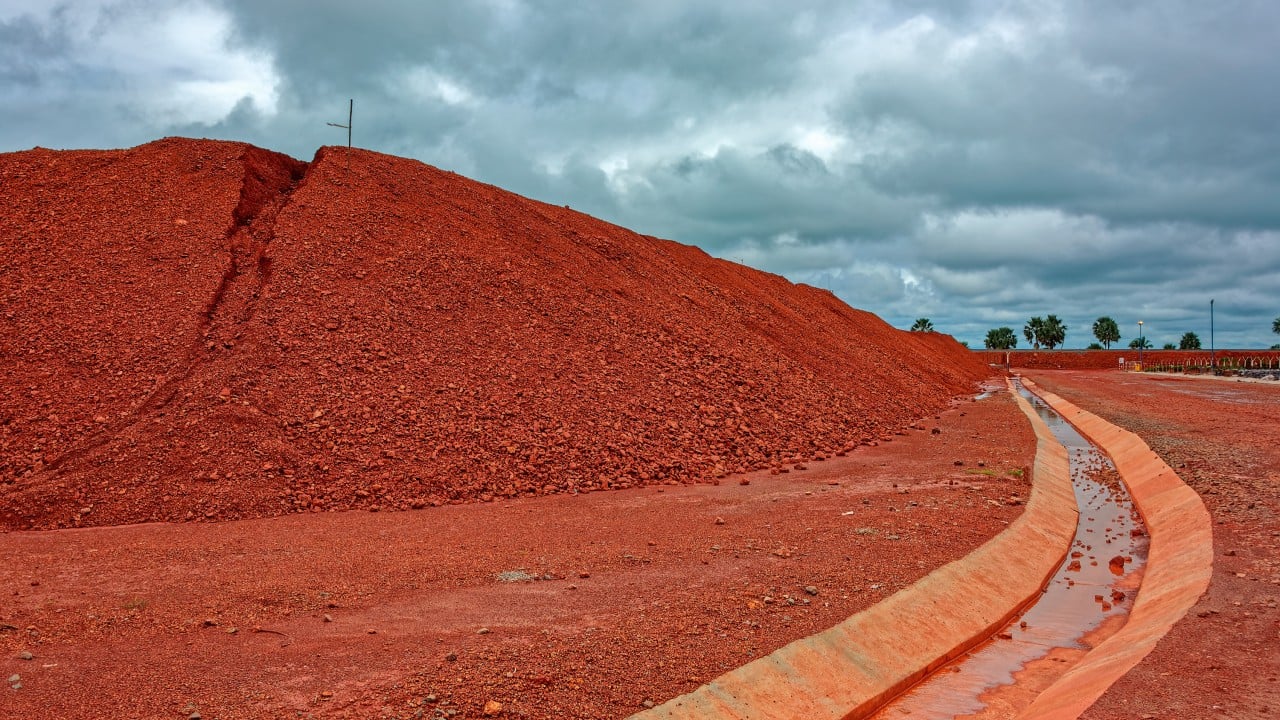
For decades, resource-rich African nations operated on a straightforward pit-to-ship model whereby foreign operators extracted raw ore, loaded it onto cargo ships and exported it abroad, leaving producer countries with little to show for it.
Today, nations such as Zimbabwe, Namibia, Mozambique, Ghana and Guinea are dismantling that system – by banning exports of raw materials and enforcing local processing rules. These measures force international mining firms, including Chinese companies, to invest billions of dollars in domestic processing plants.
Now, instead of simply shipping out ore, Chinese firms are building local facilities to transform Zimbabwean lithium into its sulphate or carbonate forms, Guinean bauxite into alumina, and Mozambican graphite into battery materials.
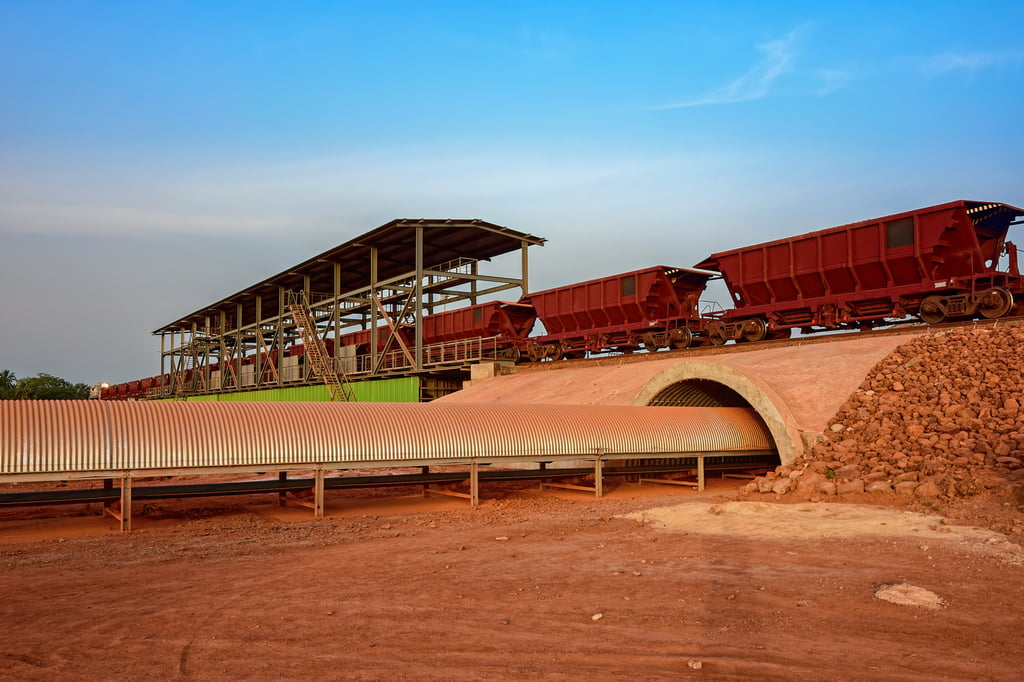
According to Carlos Lopes, a professor at the University of Cape Town’s Nelson Mandela School of Public Governance, the shift runs far deeper than resource processing. “China increasingly sees Africa as one of the few remaining large-scale spaces where industrial expansion, urbanisation, infrastructure deployment and consumer growth can still unfold simultaneously over decades,” he said.
The continent was becoming less a peripheral supplier and more a strategic hub between fractured economic blocs, Lopes said, with Chinese firms more likely to localise where governments ensured policy clarity, reliable energy, domestic demand and regional scale.
“Bans on unprocessed exports will not necessarily deter investment,” he said, adding that the African countries imposing the bans could actually improve investment quality by forcing longer-term commitments.
However, these policies were only successful when states possessed negotiating discipline and institutional coherence, Lopes warned – otherwise, bans risked becoming blunt instruments that fuelled smuggling, policy volatility and elite rent-seeking.