
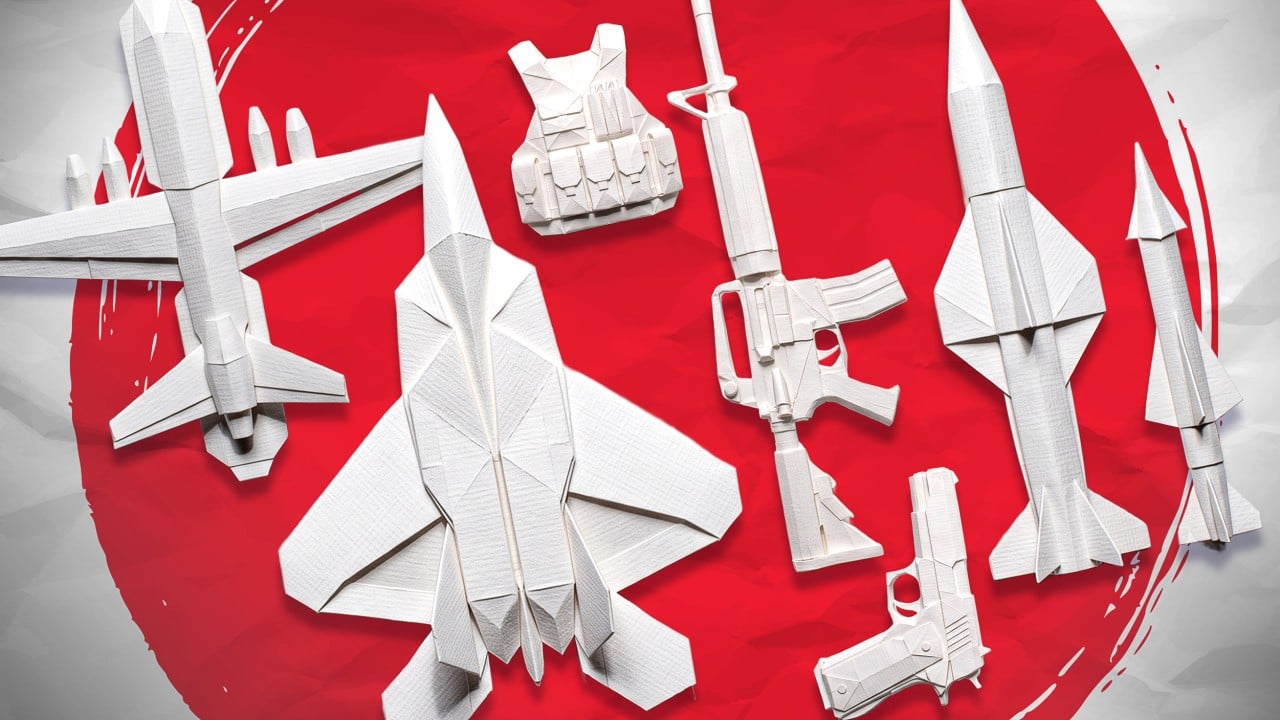
Japan’s 610-page 2026 defence white paper cements a strategic shift: Tokyo has labelled China an “unprecedented and the greatest strategic challenge” for the fourth straight year, a framing dating back to 2014, when a Japanese white paper first flagged Beijing’s East China Sea Air Defence Identification Zone as risking unintended incidents. Japanese Prime Minister Sanae Takaichi has not altered this trajectory, only accelerated it.
This strategic timing aligns with Beijing’s calculus. Even as US President Donald Trump visited China in May to steady ties, Tokyo, Manila and Seoul have been drawing lessons from the Iran war, which has depleted US interceptors, forcing the Pentagon to move parts of its Terminal High Altitude Area Defence (THAAD) and Patriot systems from South Korea to the Middle East.
For Beijing, Tokyo’s apparent conclusion that the US security umbrella is structurally leaky confirms warnings of alliance fragility, even as it heightens anxiety about autonomous powers rearming. Japanese Defence Minister Shinjiro Koizumi’s admission of a Pacific “defence vacuum” reinforces to Beijing that Tokyo is filling a gap Washington appears to have left.
Japan alleges that Beijing’s drills around Taiwan aim to normalise its military presence as “a fait accompli”. Beijing says these are needed to protect its sovereignty. Yet Tokyo’s claim helps it justify rearmament. The white paper’s warnings of grey-zone blockades and a tilting cross-strait balance serve as domestic rallying cries.
The cited triggers include the Liaoning aircraft carrier’s deployment beyond the second island chain as well as the Liaoning and Shandong aircraft carriers’ first simultaneous Pacific deployment in June last year. In addition, Japan recorded over 1,400 aircraft launches and recoveries during Chinese carrier operations in the Pacific last year. China argues that these operations are consistent with international law and practices.
Tokyo now frames the East and South China seas and the Taiwan Strait challenges as a single threat, branding China-Russia patrols “demonstration activities”. A new chapter on “new forms of warfare” draws on Ukraine drone and artificial intelligence lessons. The defence production section calls the industry “defence capability itself” – a move Beijing would see as embedding militarisation into Japan’s economy.