
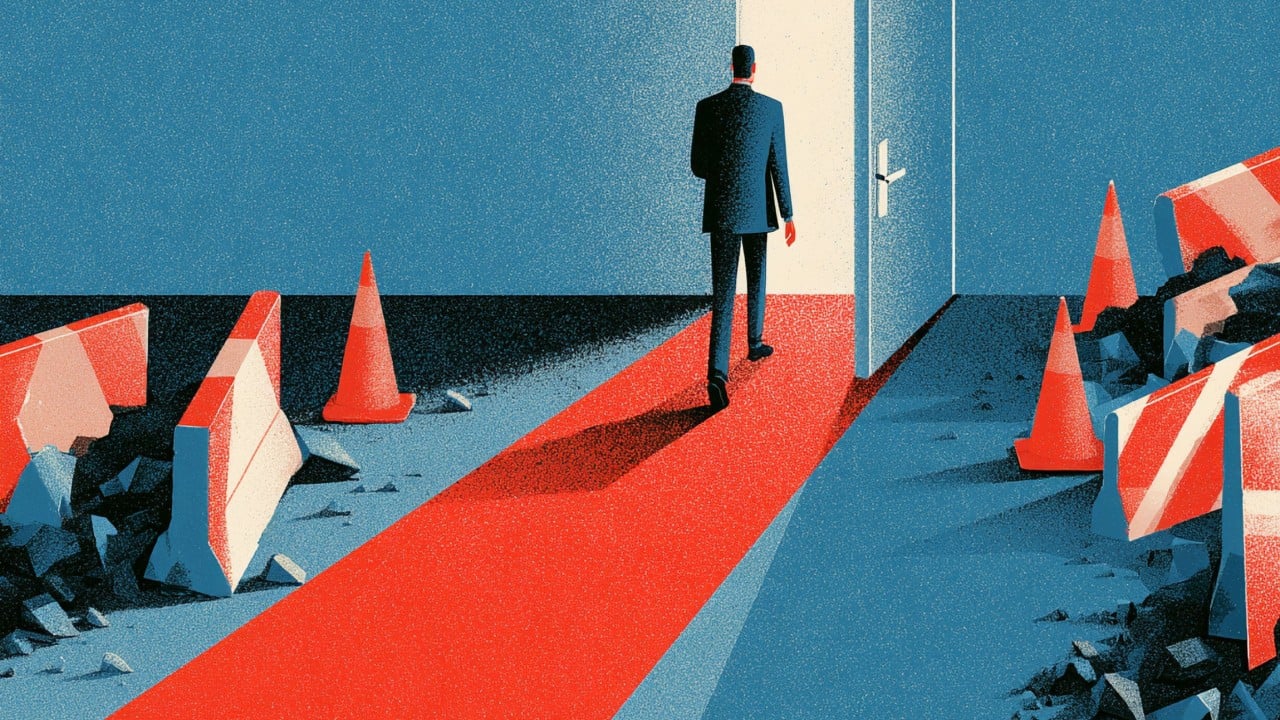
The recent decision by the US government not to extend its Hong Kong-related state of emergency saw the effective lifting of sanctions on nine mainland Chinese and Hong Kong officials. At a Ministry of Commerce press briefing, a spokesman called it “an important step in fulfilling the consensus” reached in negotiations.
Some view the move as a part of the wider attempt at stabilising bilateral relations after US President Donald Trump’s visit to China in May and ahead of Chinese President Xi Jinping’s expected reciprocal visit to the United States this September. The latter would coincide with the UN General Debate.
Some have cautioned against reading too much into the move. The trend in Sino-American relations remains one of controlled decoupling with particular emphasis on insulating their respective sensitive technology spheres from the other.
The foreign policy establishment in Washington appears convinced China poses a formidable and systemic threat to American interests. Many in Beijing have come to an equally ominous conclusion that a confrontation between the two powers is inevitable.
Against this backdrop of great power competition, Hong Kong remains what former UN Security Council president Kishore Mahbubani terms a passive “football”. Its recent transformations have been appropriated by US officials and elected representatives to score points against an increasingly technologically self-sufficient China.
While the Hong Kong-US relationship is underpinned by deep economic, financial and cultural ties, any apparent detente would inevitably be limited by geopolitical and domestic political pressures to look “tough on China”. There is no going back to where the relationship was a decade ago, yet realism need not entail cynicism.