
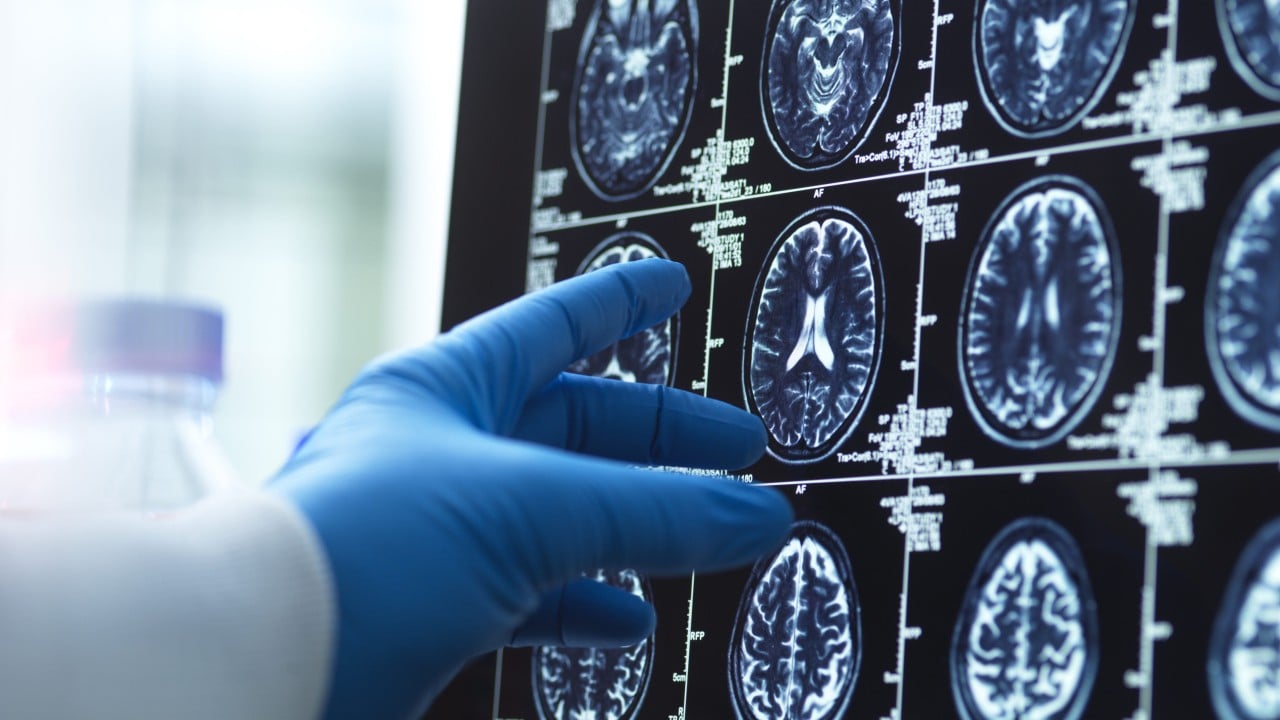
A surgical procedure for Alzheimer’s disease being tested in Hong Kong has the potential to improve patients’ ability to take care of their basic needs such as getting dressed and remaining socially engaged.
The ongoing clinical trial, launched by researchers at the Chinese University of Hong Kong (CUHK), involves an operation that drains an abnormal build-up of two protein types in the brain.
The clinical application was pioneered by a mainland Chinese doctor in Hangzhou as early as 2018 and quickly gained nationwide popularity, fuelled by viral social media videos showing dramatic post-surgery transformation of patients.
However, uncertainty about the procedure’s safety and effectiveness led China’s National Health Commission to ban its unregulated use in July 2025, pledging to review it when sufficient evidence was available.
CUHK researchers obtained approval last year and have recruited four patients so far for clinical trials, with one recovering so well that he seemed like a “completely new person … so sharp”, according to his wife.
Dr Tor Chiu, an honorary associate professor of surgery at CUHK, said his research team hoped to verify whether the procedure, performed under strict scientific controls, could improve the condition of Alzheimer’s patients.
He added that the research team was currently recruiting potential patients.