
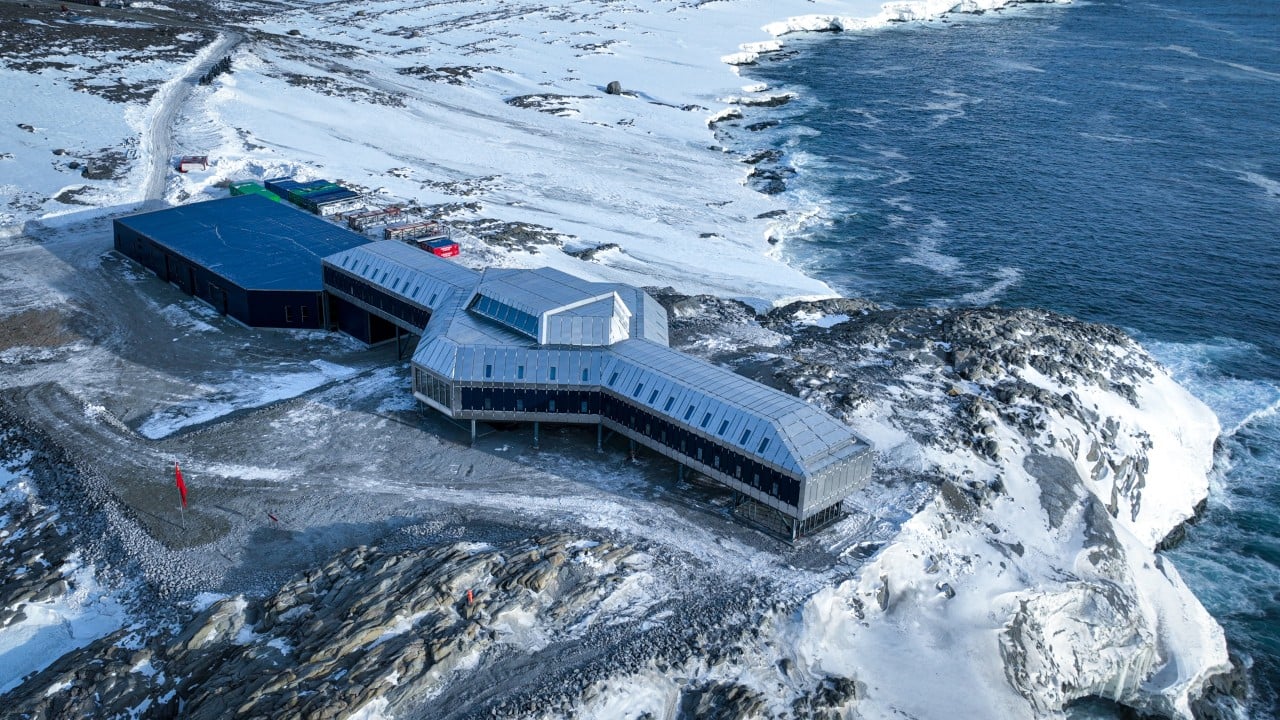
Scientists in Antarctica have to deal with extreme cold, wind and months of total darkness while they carry out their research.
Inland, the temperature can plummet below minus 80 degrees Celsius (minus 112 degrees Fahrenheit) during winter, while wind speeds of over 100km/h (62mph) – and even over 200km/h – can be experienced for days at a time.
While diesel has long been the main energy source for power and heating at research stations in the icy continent, they are now shifting towards renewables.
China’s fifth and newest research base in Antarctica, Qinling Station, is a good example of that change – it is mainly powered by clean energy.
Qinling, which opened in 2024, already meets more than 60 per cent of its energy needs through solar, wind and hydrogen power and energy storage batteries.
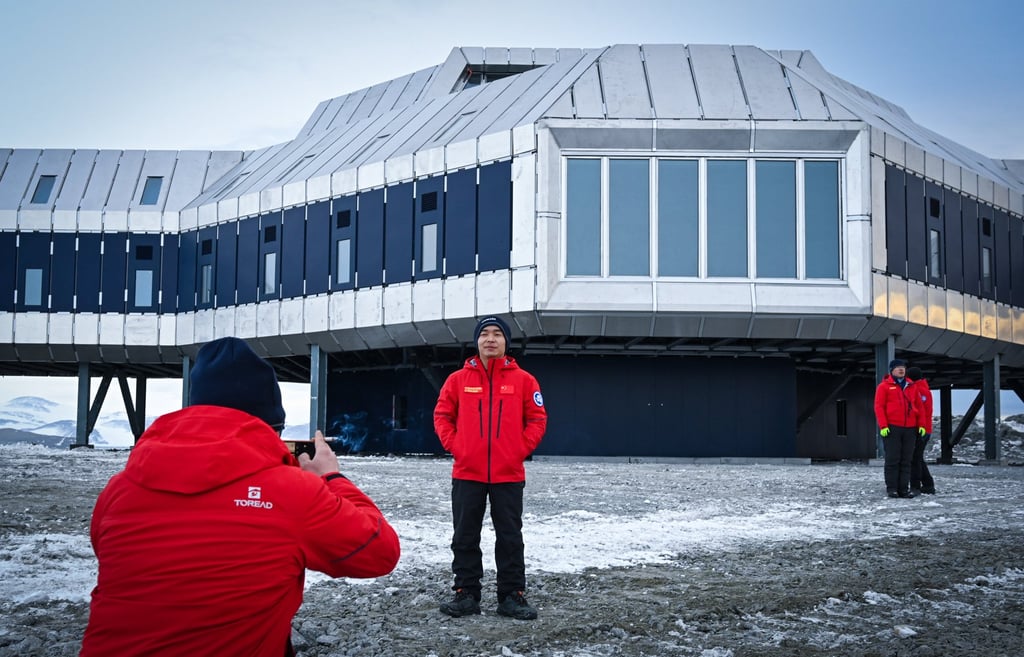
Ultimately, the plan is to use renewables for 100 per cent of energy demand at all of China’s Antarctic research stations by 2035, Sun Hongbin, chief scientist on the country’s polar clean energy programme, told state-run China Natural Resources News in June.