
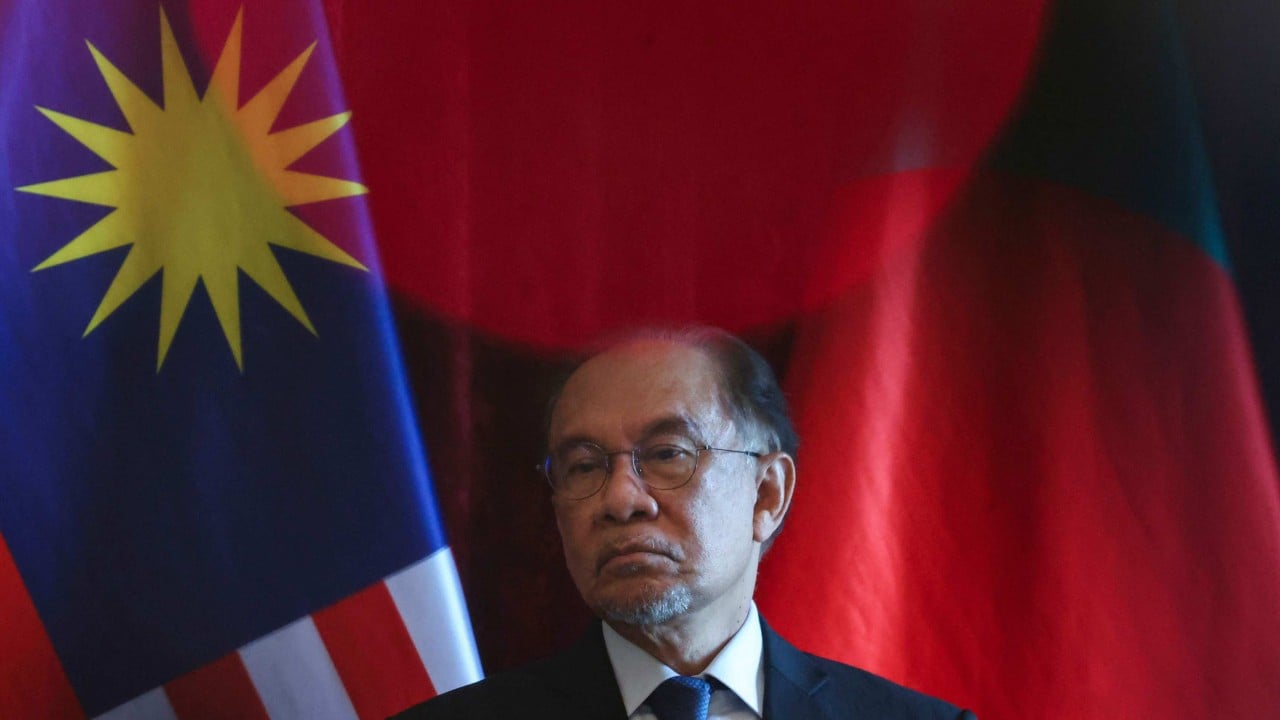
The crushing defeat of Malaysian Prime Minister Anwar Ibrahim’s Pakatan Harapan (PH) coalition in the Negeri Sembilan polls has raised doubts about his political strategy, as state rival but federal ally Barisan Nasional (BN) grows in dominance.
Analysts say BN’s effective cooperation with opposition party Perikatan Nasional (PN) could reshape Malaysia’s political landscape ahead of the next national election, due by February 2028.
BN won 18 of the 36 assembly seats in Negeri Sembilan on Saturday, securing a supermajority of 25 with PN’s seven, while PH managed 11.
In the last state election in 2023, PH won 17 seats, partnering with BN’s 14, while PN scored five.
The campaign, dominated by bread-and-butter issues including rising costs of living and issues of governance and political stability, could further test Anwar’s PH-BN unity government.

Analysts say the results signal voter dissatisfaction with PH’s state administration, while underscoring BN’s growing electoral strength. They question if the federal unity government would be politically advantageous for BN as PH’s ability to hold its ground weakens.