
For years, Syria was a wound the world watched fester: a country carved up by war, sanctioned into isolation and reduced to a byword for state collapse.
Its economy needs US$216 billion to rebuild, according to World Bank estimates. This month, for the first time since the fall of the Assad regime in December 2024, it began to look like it might actually get there.
On July 8, the government of Ahmed al-Sharaa – a former jihadi commander turned president – established a supreme constitutional court. Four days later, it convened the new national parliament.
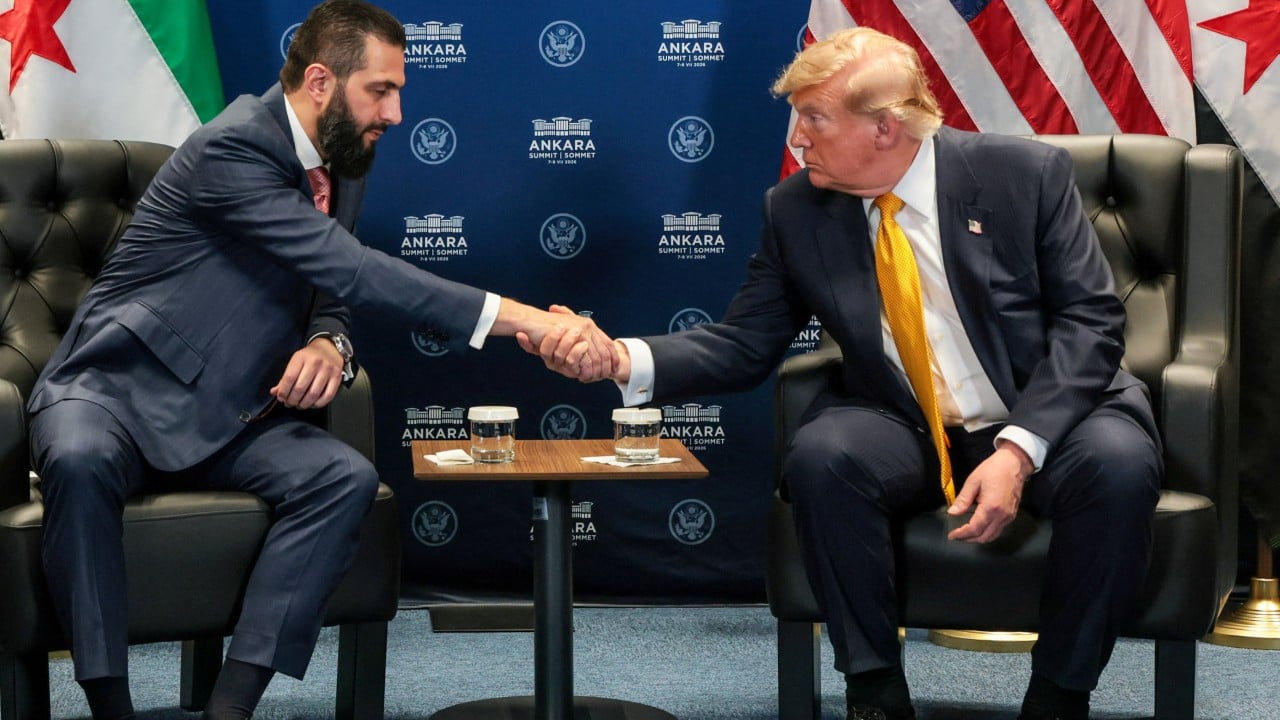
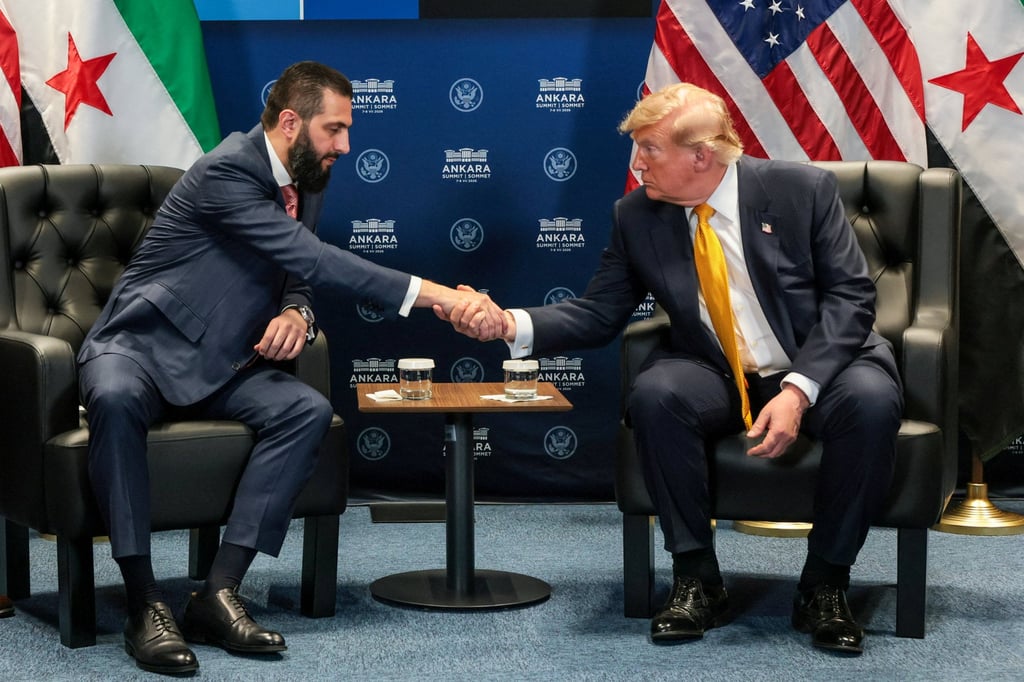
Together, these acts set in motion the process needed to build a post-Assad state, spurring Washington to announce on July 8 that it would lift its long-standing designation of Syria as a state sponsor of terrorism, following a third face-to-face meeting between Sharaa and US President Donald Trump on the sidelines of a Nato summit in Ankara.
That decision and the impending removal of associated US sanctions clear the way for Syria to rejoin the global financial system, without which the job of national reconstruction cannot begin in earnest.
After 14 years of civil war, the country’s infrastructure lies in ruins. Its institutions are embryonic and its politics still combustible. What it has, instead, is its location at the ancient crossroads of trade between Asia and Europe.