
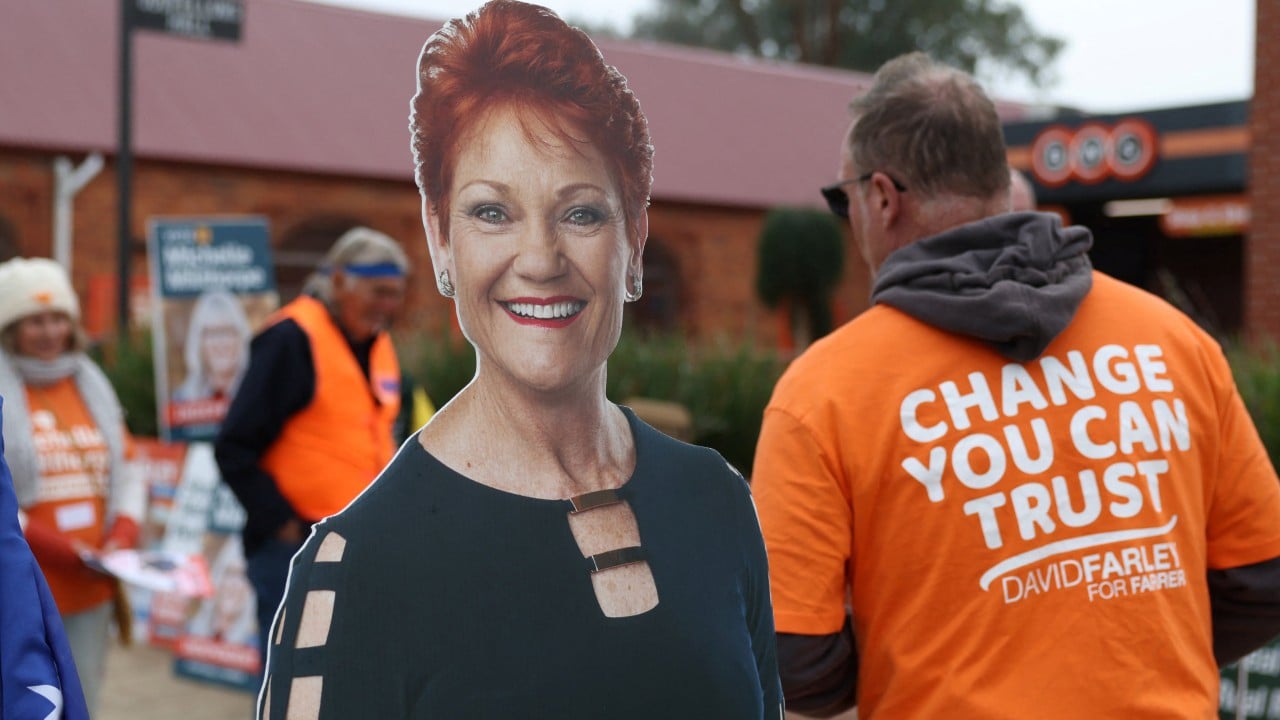
Australia’s populist One Nation party surged past the ruling Labor party to lead a nationwide opinion poll for the first time, highlighting voter disappointment with last month’s budget and reinforcing signs of a fracturing of the conservative side of politics.
One Nation’s primary vote advanced 4 percentage points to 31 per cent from a previous poll conducted ahead of the May 12 budget, while the centre-left government slipped 3 points to 28 per cent, according to a Redbridge Group/Accent Research survey published in the Australian Financial Review. The poll sampled 1,005 voters between May 25 and May 28 and has a margin of error of 3.4 per cent.
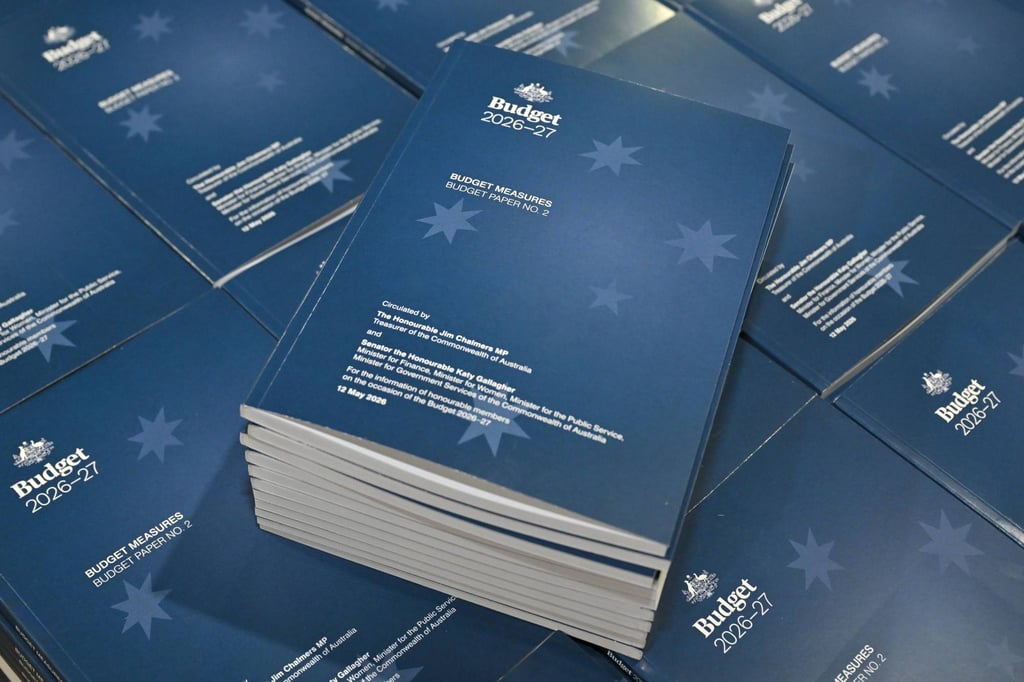
The traditional centre-right Liberal-National coalition has hammered the centre-left government over the budget’s broken election promises, including a clampdown on tax breaks for property investors. Yet it has failed to reap any benefits, with the coalition’s primary vote slipping to 20 per cent from 22 per cent.
The surge in polls for Pauline Hanson’s One Nation mirrors the rise of the populist right in Britain and Europe, as voters turn away from the traditional post-World War II parties that form government. One Nation claimed its first seat in the lower house of parliament in a recent by-election for the seat of Farrer, a rural electorate in the southwest of New South Wales state.
Advertisement
The party’s anti-immigration and economic nationalist message has been pitched at rural and regional Australia. The latest poll suggests it is beginning to hurt Labor in the outer suburbs of major cities too.
Australian households, among the most heavily indebted in the developed world, have been buffeted by repeated bouts of inflation, rising interest rates and soaring fuel prices due to the Middle East conflict. The budget’s clampdown on tax breaks for property investors was a roundabout way of trying to address a divide between those with assets – whose values have soared – and those locked out of areas such as home ownership.
The downstream effects of the budget and another interest rate rise is Labor have lost more vote share
“The downstream effects of the budget and another interest rate rise is Labor have lost more vote share, but the Coalition aren’t the beneficiaries on a primary vote basis,” the Australian Financial Review cited Redbridge director Tony Barry as saying.