
Last week, US President Donald Trump landed in China aiming to secure the kind of blockbuster trade deals he championed nine years ago – spanning everything from soybeans to aircraft and energy.
By the time he departed, it was clear that reality would fall far short of expectations. Despite Trump hailing a “fantastic deal”, China did not announce the massive buying spree that many had anticipated.
Advertisement
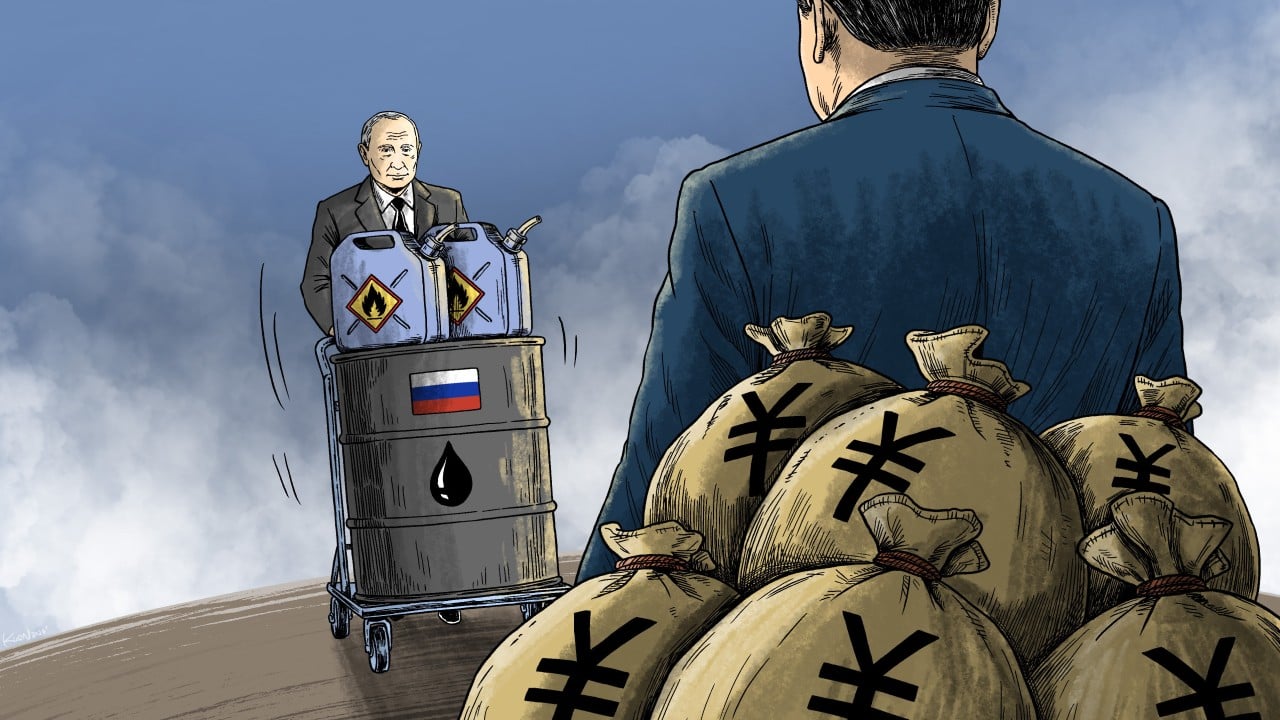
Now, just days after Trump’s exit, Russian President Vladimir Putin is arriving in China with similar ambitions. At a press conference earlier this month, Putin said Russia was close to a “serious, very substantial” oil and gas deal with Beijing.
But just like his American counterpart, Putin may find the talks in China tough going. Though the US-Israel war on Iran would appear a “golden opportunity” for Russia to sell more energy to China, analysts warn a host of factors could complicate a potential agreement.
Russia’s goal for any negotiations is simple: shore up its domestic economy by selling more oil and gas to China. But Beijing has other considerations – from avoiding overreliance on a single energy supplier, to reducing its dependence on the US dollar by settling transactions in yuan.
What’s more, there are practical obstacles to ramping up Russian energy flows, including the looming return of US sanctions and the threat of Ukrainian drone attacks. The question is: can Putin overcome all these barriers and secure the kind of deal he wants from China, Russia’s largest energy buyer?
Advertisement
Murky prospects for an oil deal