
Taxi driver Ravi Ranjan, who lives with his wife and child in New Delhi, said shipping disruptions caused by the Iran war had forced him to pay higher prices for cooking fuel at a time when India’s prime minister was also urging residents to reduce driving and travel.
It was all hitting his bottom line, Ranjan said, as he was paying three times as much for liquid petroleum gas after facing delays on delivery of the cooking fuel.
“I used to get a cylinder of LPG for 1,000 rupees (US$10), now I pay 3,000 rupees in the black market,” he said.
Advertisement
On the other side of the country, in the coastal city of Chennai, Sushmita Sankar, an advertising executive, said her petrol and cooking fuel expenses were skyrocketing because of the war. Sankar said petrol blended with ethanol – the default mix available at fuel stations now – was also worsening her car’s mileage.
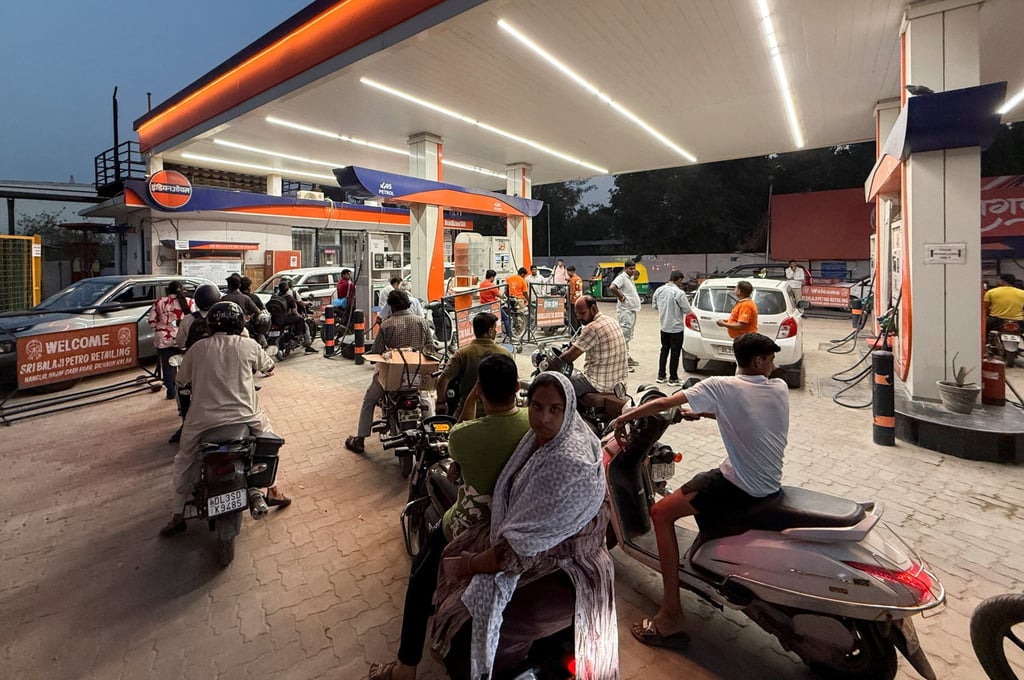
“Fuel expenses are increasing and with only ethanol mixed petrol available, I feel my car’s mileage has reduced in the last year or so,” she said. “Already our days are busy with work and taking care of our child’s school and other needs. Having to now spend a lot of time to fill my car or buy LPG is making things even more hectic.”
Advertisement
Against the backdrop of cooking gas shortages and crude oil price increases, India has proposed letting vehicles run on 85 per cent, or even 100 per cent, ethanol. India has also banned all exports of sugar at least through September to ensure a local supply of sugar, but also to ensure enough raw material is available if ethanol blending levels are to be increased.