
Tired of petrol shortages and skyrocketing prices, Simón Huanca took matters into his own hands.
The 53-year-old Indigenous artisan imported a Chinese electric car to navigate El Alto, Bolivia’s highest city, using the vehicle to transport both his family and the alpaca wool for his weaving workshop.
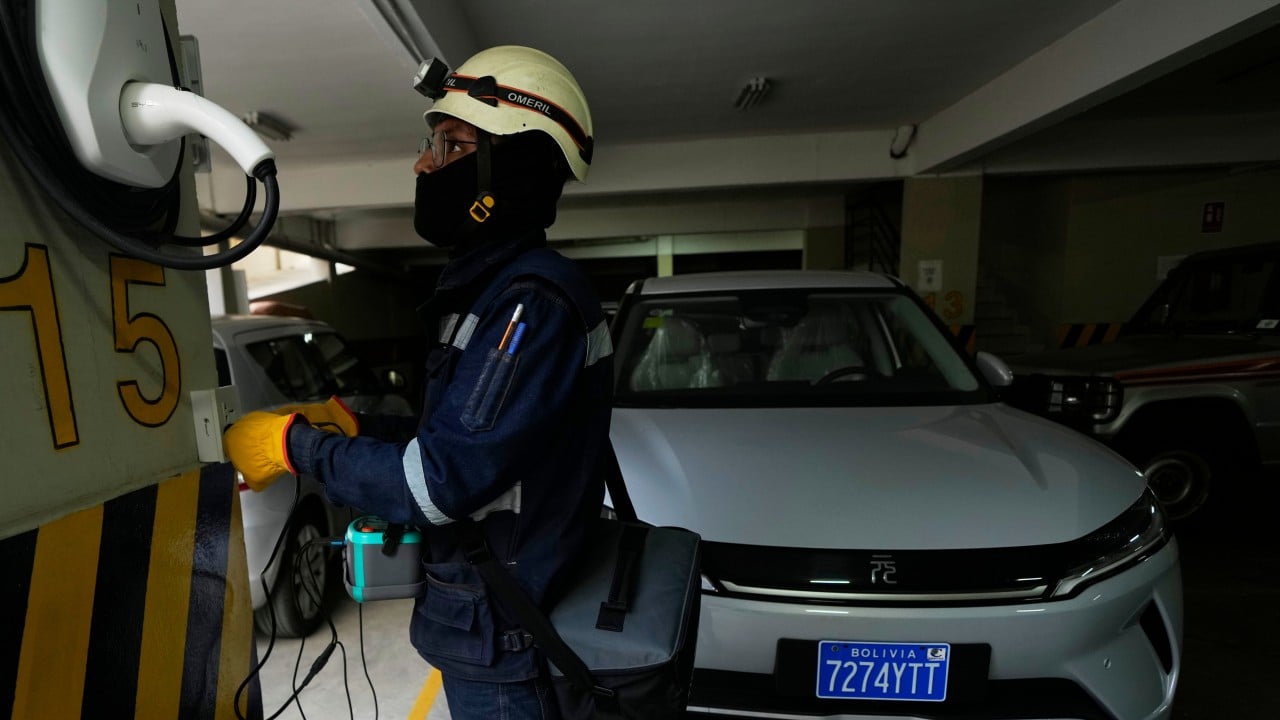
He also installed a dedicated charger in his own garage, mainly for convenience, but also because there are only three public charging stations serving the vast metropolitan area of El Alto and neighbouring La Paz, home to more than 1.6 million people.
Advertisement
“Since last year, I’ve been trying to get an electric car to save on costs,” Huanca said while driving his electric off-road vehicle through a working-class neighbourhood.
Huanca is one of a small but growing number of Bolivians abandoning their fossil fuel-powered cars for electric vehicles as the South American country grapples with fuel shortages and a presidential decree that ended long-standing fuel subsidies, effectively doubling the cost of petrol.
‘Junk gas’ and the Iran war
Bolivia’s energy supply disruptions worsened in 2023 under then President Luis Arce, who maintained a state subsidy under which the country bought fuel at international prices and sold it at half its value on the domestic market.