
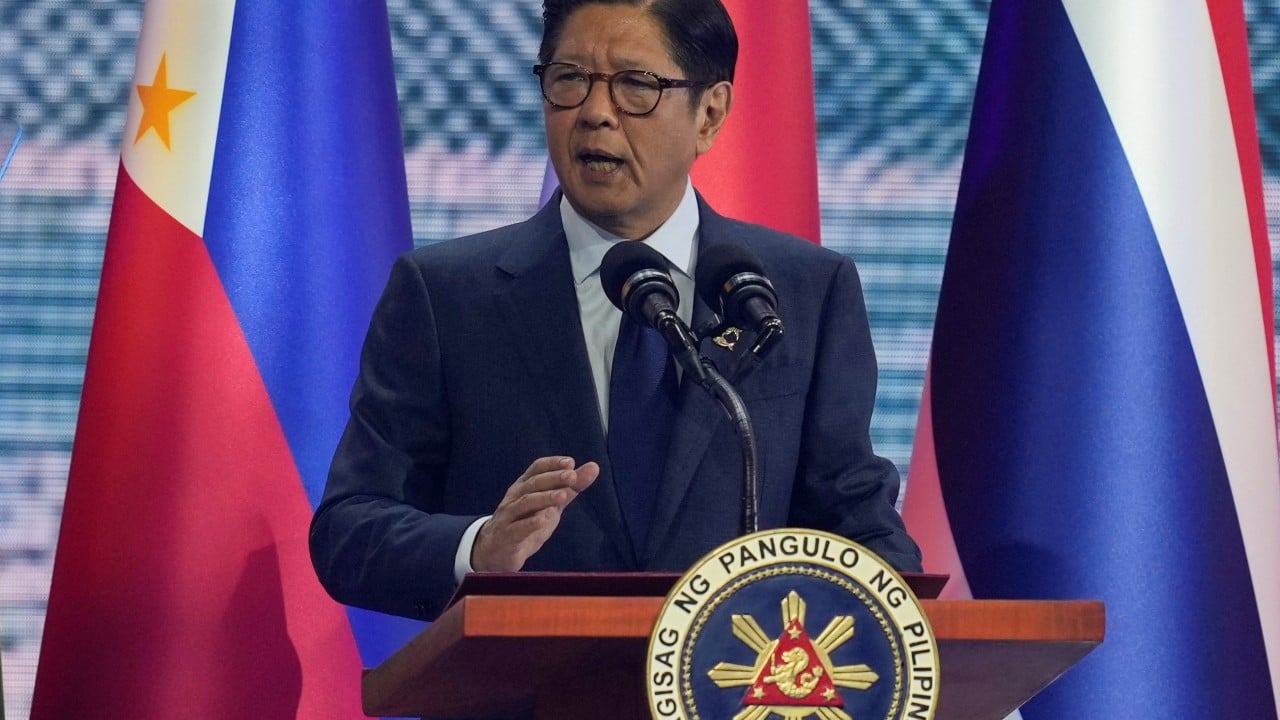
The spectre of the global energy crisis loomed over the three-day Asean summit in the Philippines as regional leaders converge for a final day of talks in Cebu on Friday.
Analysts say that while some major flashpoints were addressed – with Thailand and Cambodia’s joint statement of solidarity being a bright spot – surging fuel costs as a result of the Iran war weighed heaviest on the minds of Southeast Asian leaders.
The fuel crisis was the “defining issue”, said Vu Lam, an Asean observer and policy researcher. Philippine leader and Association of Southeast Asian Nations chair Ferdinand Marcos Jnr had even restructured the summit agenda to prioritise energy security.
Advertisement
In his opening remarks on Friday, Marcos said Asean was standing together to demonstrate its capacity to respond with unity and resolve, but must remain agile.
“We must ensure regional energy security and resilience,” he said. “At a time of heightened volatility, Asean must strengthen coordination and reinforce preparedness, pursue practical collective measures to safeguard a stable energy supply and improve interconnectivity.”

On Thursday, economic ministers “identified practical, concrete response measures” to boost energy and food security and called for joint efforts to overcome supply chain disruptions from the closure of the strategic Strait of Hormuz.