
When the United States and the Philippines opened this year’s Balikatan exercises, the message travelled far beyond the parade ground. More than 17,000 troops are taking part in drills set to run until May 8. What matters is where the drills unfold, who has joined and what kind of regional habit they are helping to normalise.
Japan took part in its first Balitakan live-fire exercises. Australia, Canada, France and New Zealand were also active participants. Then the exercises moved closer to sensitive waters. The US and Philippine forces staged counter-landing drills on Palawan in the South China Sea, and later displayed the Navy-Marine Expeditionary Ship Interdiction System (NMESIS), an anti-ship missile system, in Batanes, roughly 100 miles south of Taiwan. For Asia, it is also a reminder that military signalling can harden into routine.
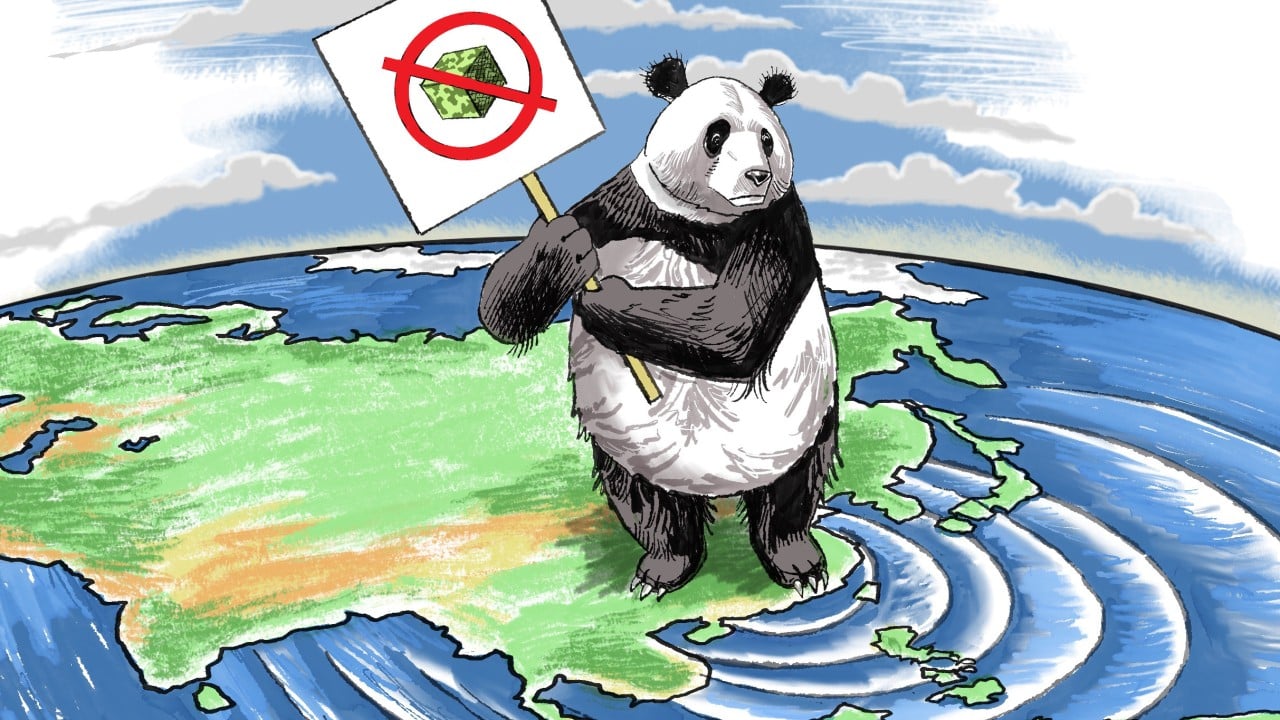
Beijing’s response captured the larger argument. Chinese foreign ministry spokesman Guo Jiakun said the region needed peace, not division and confrontation fuelled by outside military build-up. In Western capitals, such language is treated as familiar rhetoric. Across Asia, it lands differently, because the concern behind it is familiar.
Advertisement
Many regional governments do not want their security choices written in the grammar of blocs. The South China Sea, Taiwan and wider western Pacific are sensitive enough. More hardware, rehearsals and alliance choreography may reassure some in the short term but can also make every incident feel larger than it is.
That is the quiet fear behind much of Asia’s hedging. The region does not live by grand strategy alone. It lives by ports, shipping lanes, investment flows, energy prices, factory orders and domestic politics. A patrol at sea can become an insurance question. A military exercise can become a market signal. A crisis in one channel can reach grocery shelves, fuel bills and election debates.
Advertisement
For middle powers and smaller states, strategy is about preserving options. A government may welcome American support as insurance and still prefer to avoid becoming part of a structure that demands public loyalty in every dispute. It may expand defence ties with Washington and still want stable trade with China. It may speak the language of rules while resisting a regional order that turns every difficult issue into a test of camp discipline.