
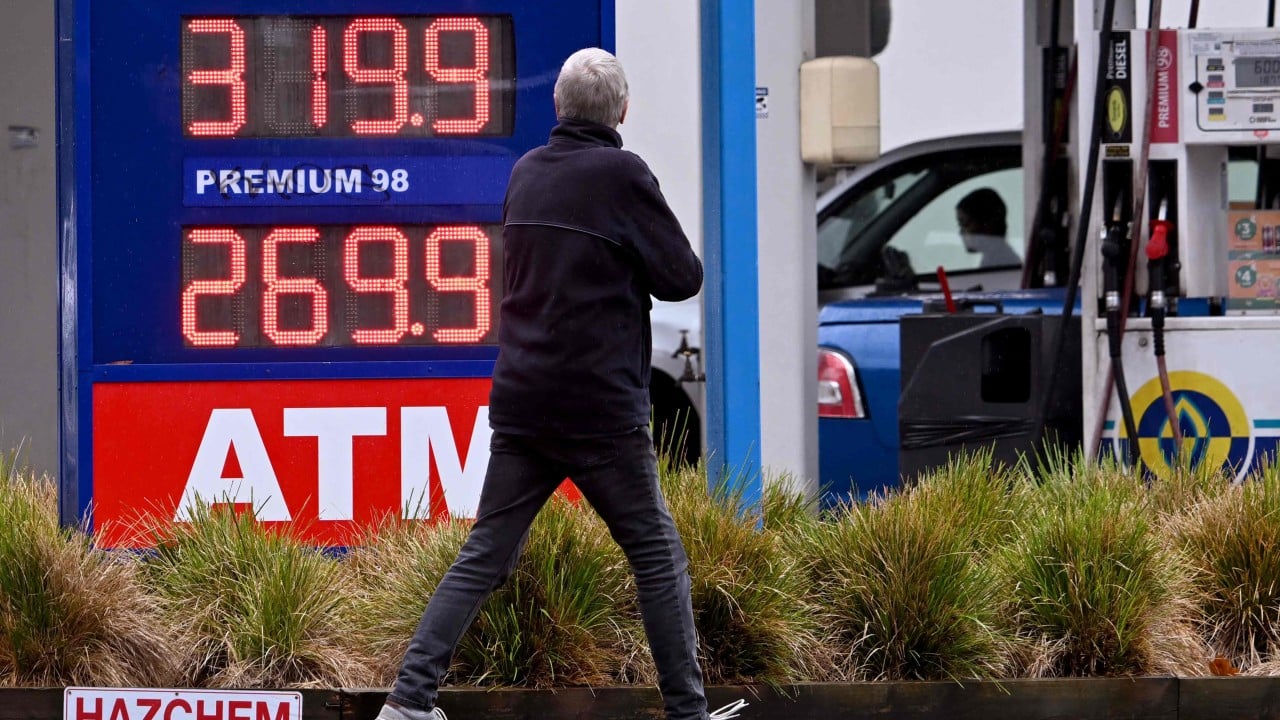
For an indication of how much the energy crisis is shaping the path of monetary policy, look no further than Australia. On May 5, the country’s central bank raised interest rates for the third consecutive time, unwinding last year’s monetary easing.
The Reserve Bank of Australia (RBA) said “higher fuel prices are adding to inflation and there are indications that this is likely to have second-round effects on prices for goods and services more broadly”.
The RBA’s decision to keep tightening policy in response to the energy shock – the conventional wisdom is that central banks should look past adverse supply shocks given that interest rates have little direct impact on supply – has reinforced the perception that it is an outlier among the world’s leading central banks.
Advertisement
The US Federal Reserve, the European Central Bank and the Bank of England (BOE) have all taken a wait-and-see approach as they weigh the benefits of suppressing inflation with the costs of dampening growth. RBC Capital Markets said “the RBA is swimming against the tide of most developed market central banks.”
While Bank of America expected the outcome of the RBA’s meeting to be “a line ball decision”, eight members of the central bank’s nine-strong monetary policy board voted to raise interest rates.
Advertisement
The case for tightening was strong. Even before the war in Iran erupted, inflation was above the central bank’s 2-3 per cent target. Unemployment was at a historical low. Credit growth was expanding rapidly.