
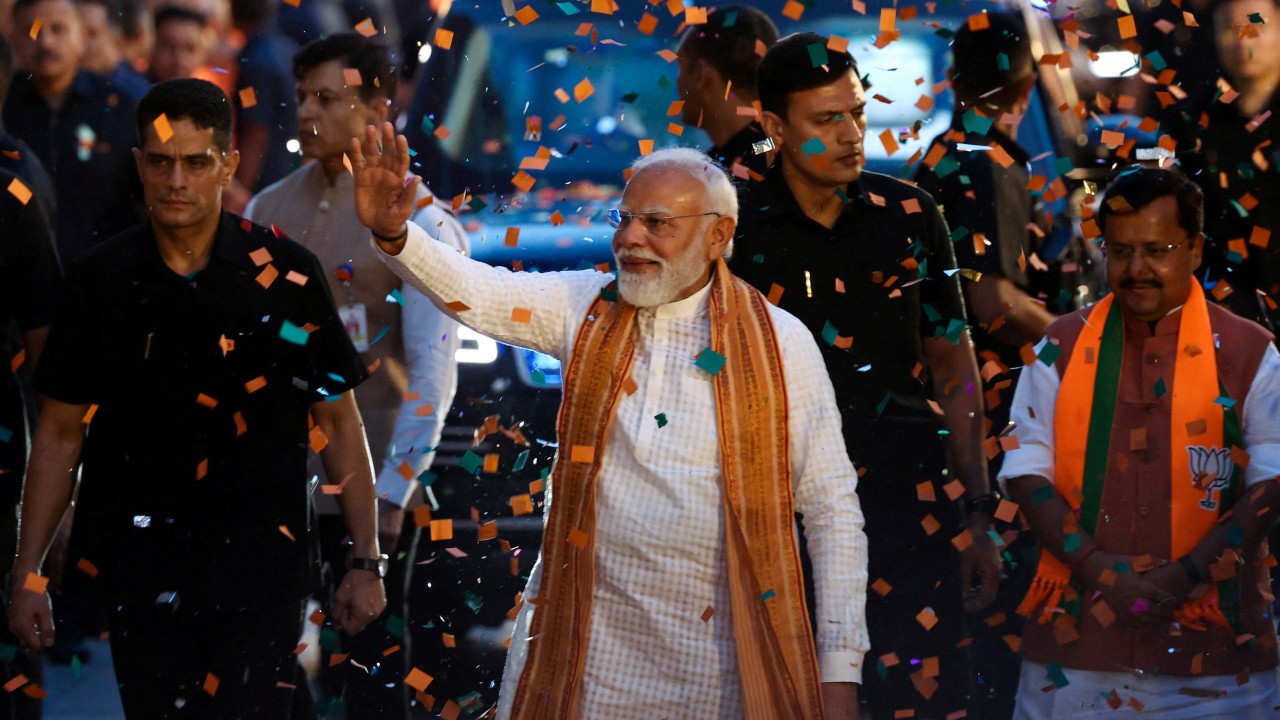
After his party’s stunning conquest of West Bengal, Narendra Modi stands at a juncture that would have seemed implausible mere months ago.
The prime minister who lost his parliamentary majority in 2024, briefly inviting talk of a weakened leader, now controls roughly 70 per cent of India’s state legislatures through his ruling coalition, the National Democratic Alliance.
The Bharatiya Janata Party’s (BJP) sweep of West Bengal, winning 207 of 294 assembly seats and ending three consecutive terms of Mamata Banerjee’s Trinamool Congress, represents what analysts call the conquest of the party’s final frontier.
Advertisement
For years, West Bengal was an electoral nut the BJP could not crack: a place where leftist tradition, fierce regional identity and Banerjee’s formidable political machinery formed what seemed like an impenetrable wall of resistance.
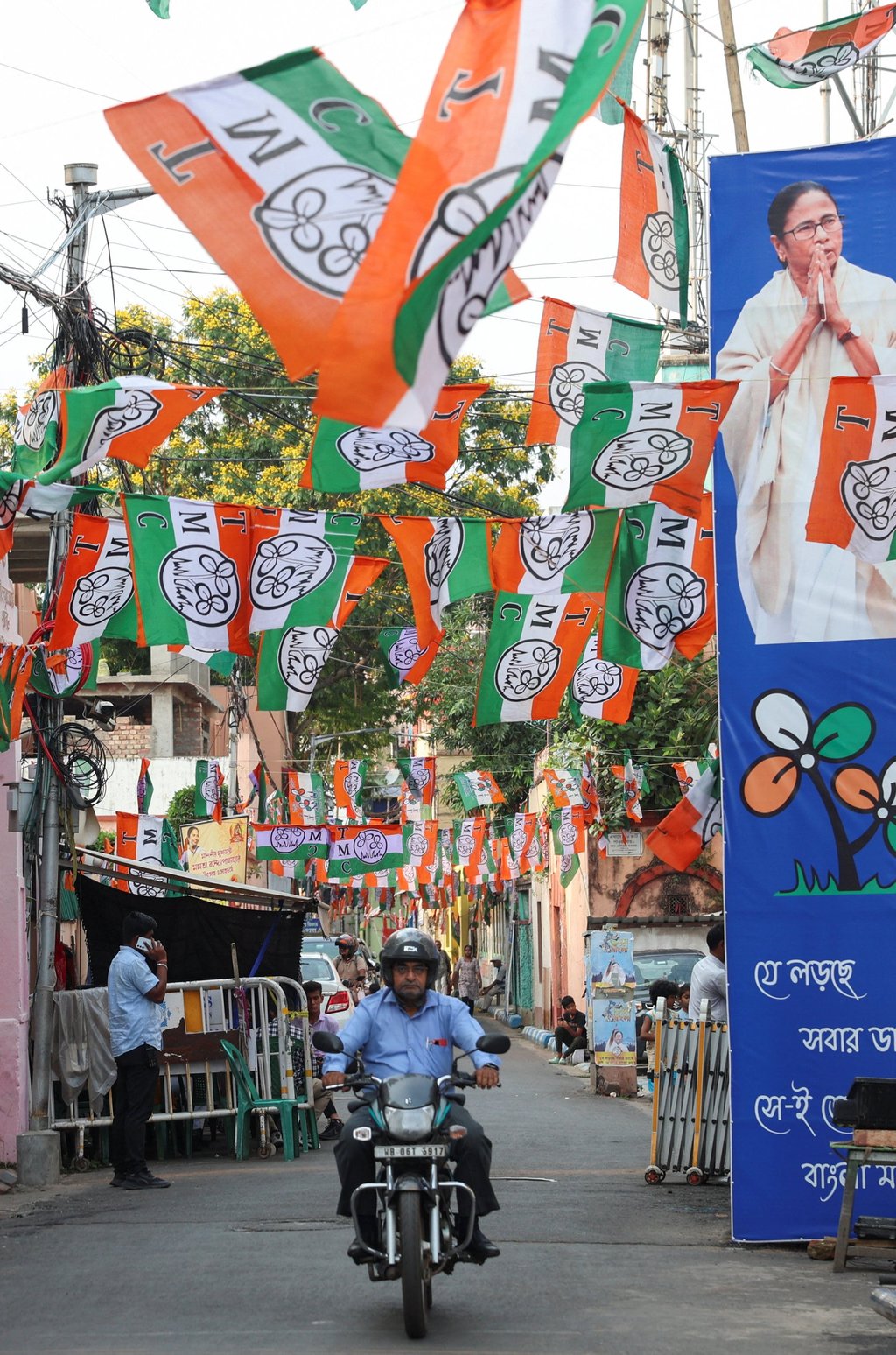
That wall has now crumbled, sending tremors through New Delhi, Dhaka and what remains of India’s political opposition.
Advertisement
Two years ago, it all looked very different. In 2024, the BJP lost its outright Lok Sabha (parliamentary) majority at the national level for the first time under Modi, forcing it into a coalition arrangement.