
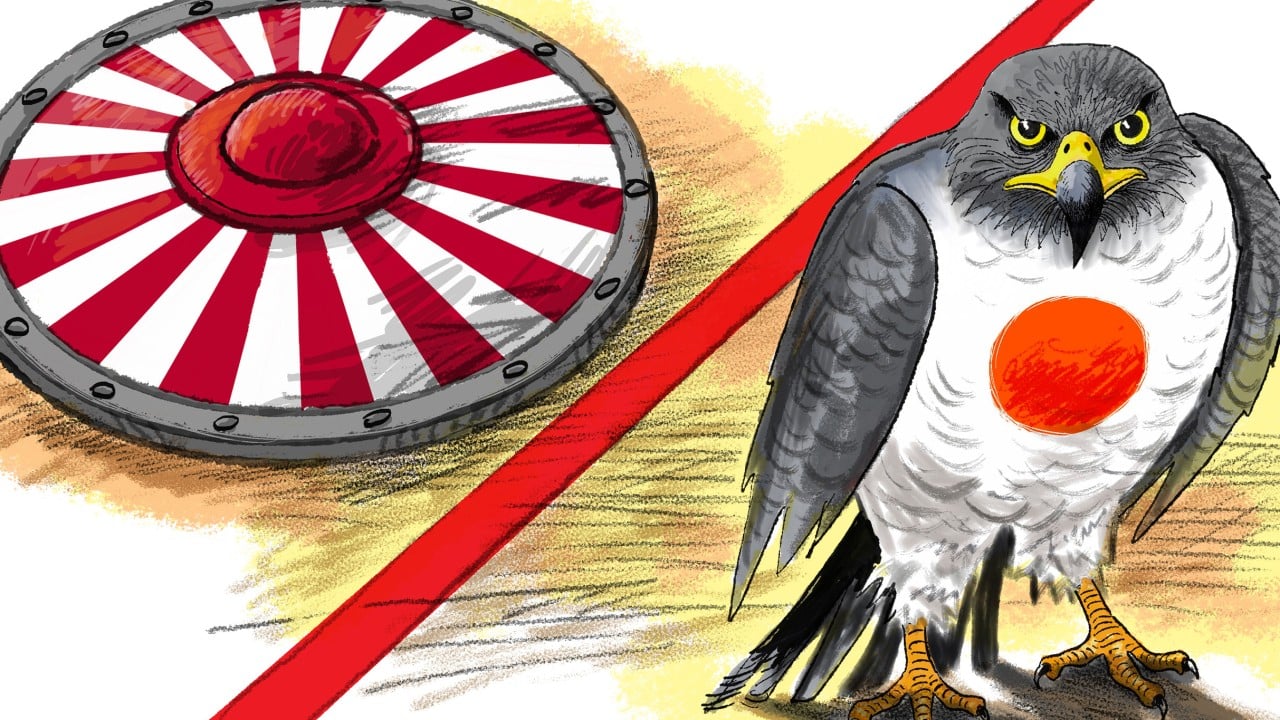
Global attention is fixated on Japan’s strategic shift under Prime Minister Sanae Takaichi. From the strengthened US-Japan alliance to the tense stand-off with China, from advocating for constitutional reinterpretation to allowing weapons exports and deploying counterstrike capabilities – these moves have been dissected in capitals worldwide.
But the real, and more decisive, story is unfolding on Japan’s home front. The domestic dynamic driving this change is often a footnote, yet it is the engine. Understanding it is crucial, especially for Beijing, as it navigates an East Asia with a declining US hegemon and a rapidly remilitarising Japan.
On the surface, a contradiction exists. Pacifist and liberal opposition remains. Article 9 of the constitution retains deep emotional resonance. Protest voices persist. Yet Takaichi’s approval ratings are strong. This is the result of a long, deliberate project.
Advertisement
For decades, the conservative Liberal Democratic Party (LDP) has cultivated the soil through education reforms, curated historical narratives, orchestrated visits to Yasukuni Shrine and eroded pacifist taboos. The goal was generational change. My years in Japan showed me this first-hand. I reviewed textbooks whose language softened, reframing the war, with Japan portrayed as a historical actor akin to Western imperial powers, even a victim.
It worked. The new generation carries less wartime guilt. I have spoken with many Japanese peers who argue they should not bear their grandparents’ guilt. Their identity is shaped by contemporary anxieties: economic stagnation, a rising China and North Korean missiles. For many, nationalism is a pragmatic shield. A strong Japan is a safe Japan. This is Takaichi’s base.
Advertisement
This contrasts sharply with the Japan I knew decades ago. I remember elderly men, former soldiers, bowing to apologise for their actions in China. Their passing marks not just a demographic shift, but the closing of a chapter where the war was a lived experience, not a historical debate.