
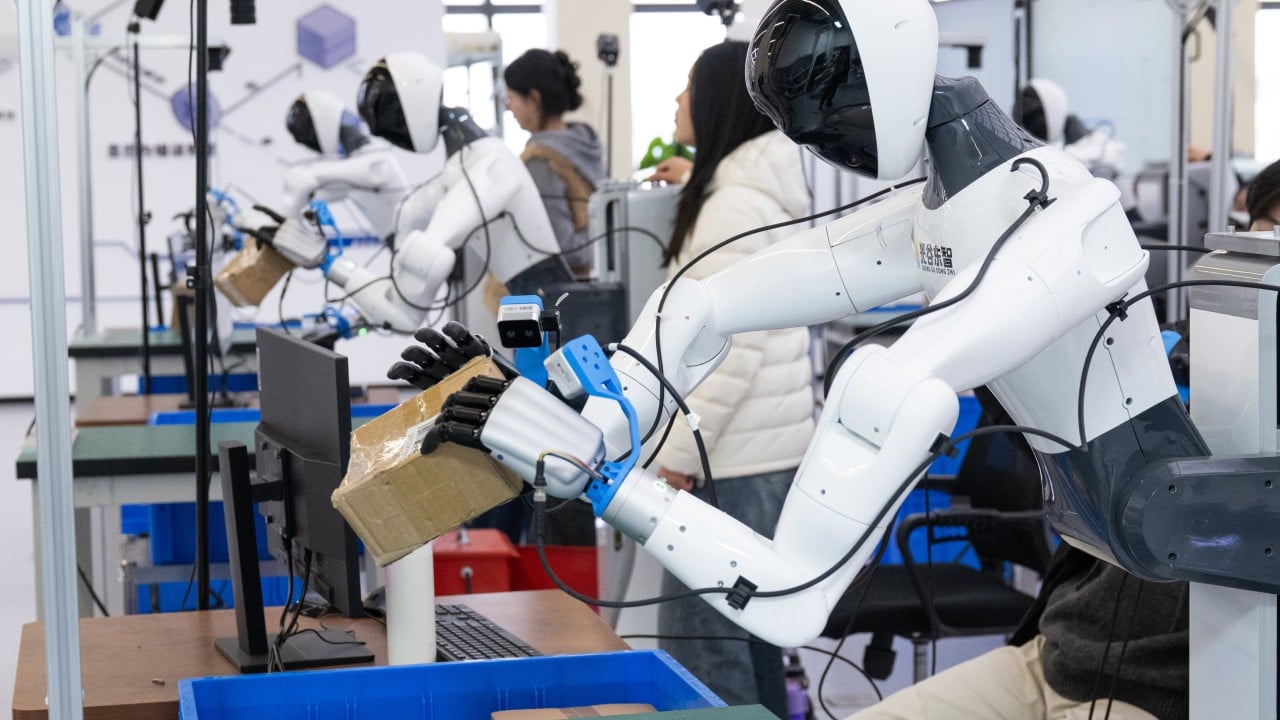
The open source approach championed by some Chinese tech companies is preventing monopoly platforms from taking hold in artificial intelligence (AI). The massive investment in AI is justified in the case of repeat monopoly winners from previous waves of tech development, such as Microsoft, Intel, Qualcomm, Google and Meta.
However, as China views proprietary systems and platforms as potential chokepoints, it is leveraging its market to develop open source substitutes. Users in the wider world are likely to prefer open source platforms that they can control. Open source platforms will overtake proprietary ones in attracting new users next year. The dreams of trillion-dollar AI profits will not survive this.
US research firm Gartner estimates worldwide AI investment at US$1.5 trillion this year, and that it will top that next year. Businesses that sell into the investment boom are reaping huge profits. The companies that spend the money are raising funds from investors that hope for monopoly power in a potentially huge market. “Winners take all” seems to have worked in previous tech waves. It is easy to convince investors it will be the same in this AI wave.
Advertisement
Reality is taking a different path now. China is championing open-source alternatives out of security concerns. While the United States is driven by software, China is a hardware-driven economy. The synergy between the two drove the global economy for two decades after the 1997 Asian financial crisis, benefiting both enormously.
Starting with the first Trump administration, the US began to use its software dominance to contain China’s rise, pushing China to develop its own substitutes. China has the scale, talent pool and money to realise its goals, so the US has strong motivation to stop the emergence of system or platform dominance in new tech like AI.
05:04
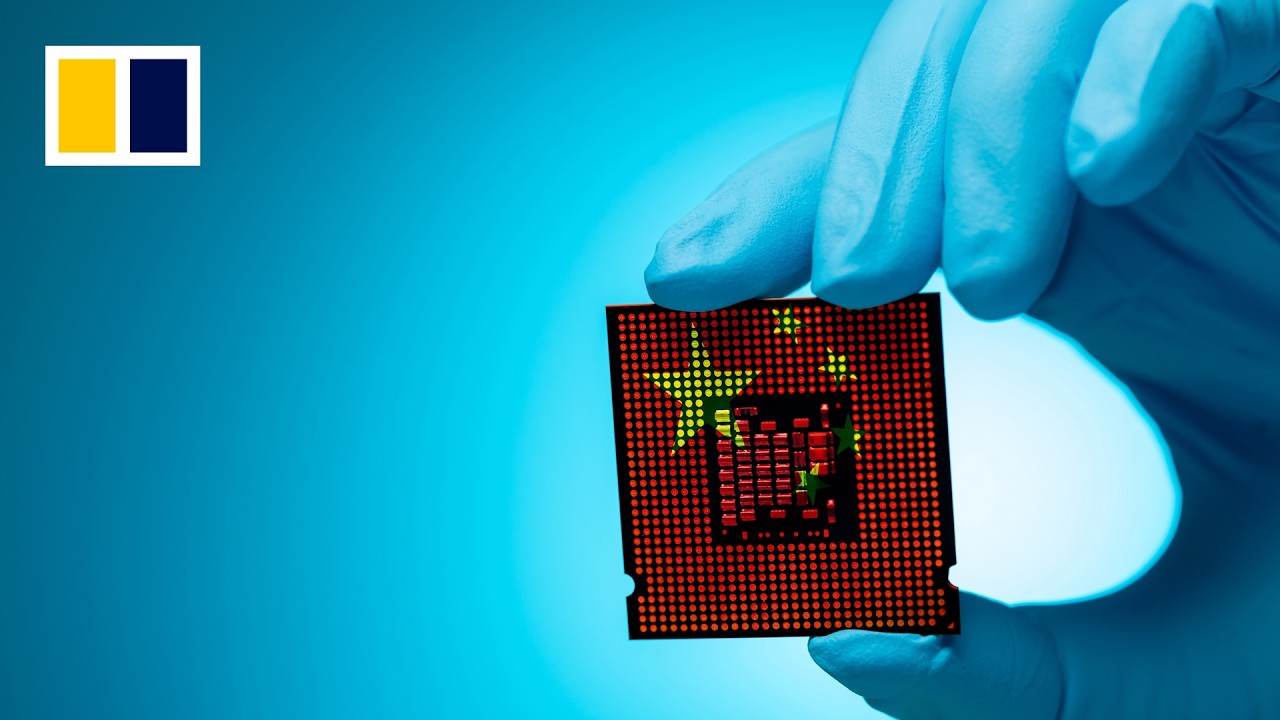
China creates analogue AI chip said to be 1,000 times faster than Nvidia GPU
China creates analogue AI chip said to be 1,000 times faster than Nvidia GPU
China’s open source AI models have about 30 per cent of the global market, according to a recent report. Next year, China’s open source models could have a bigger market share than their US competitors and rake in new users at a faster pace. Can investors still dream of monopoly profits for US proprietary models?
Advertisement