
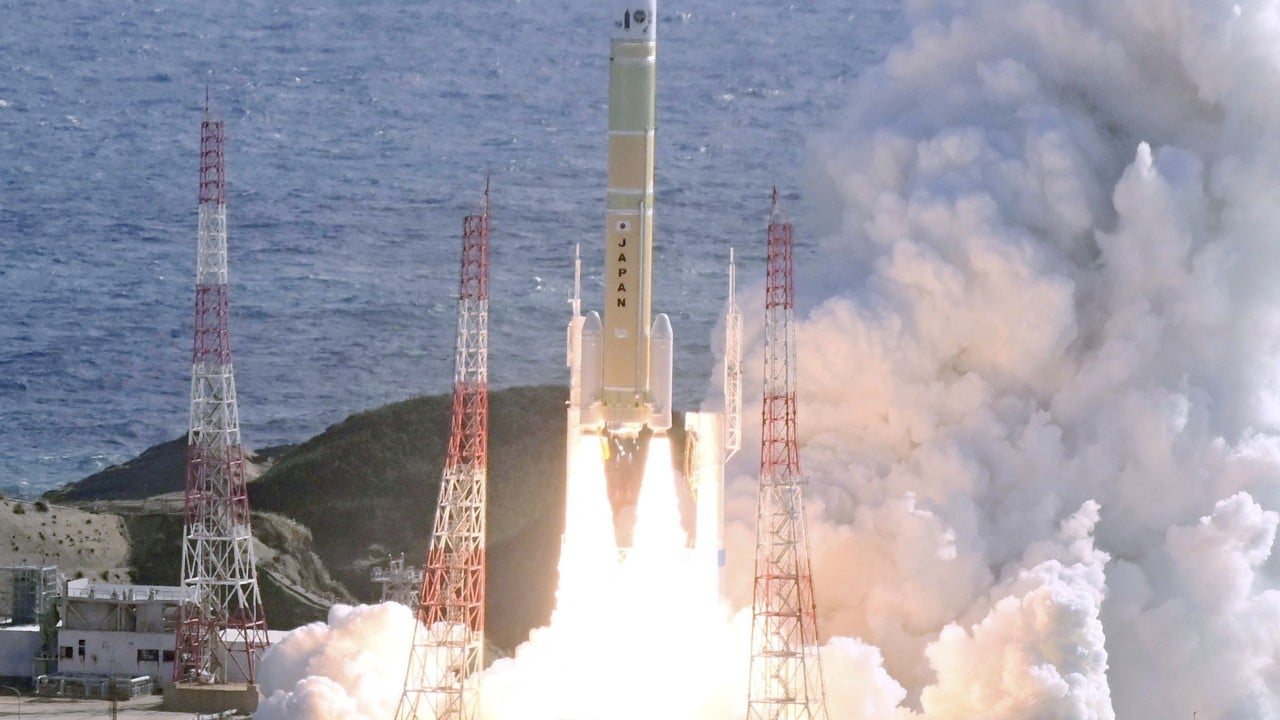
Japan’s latest rocket failure has triggered much soul-searching and resurrected a debate about whether the country’s space programme, long defined by caution and incremental progress, is equipped for a market that now rewards speed, repetition and a tolerance for failure.
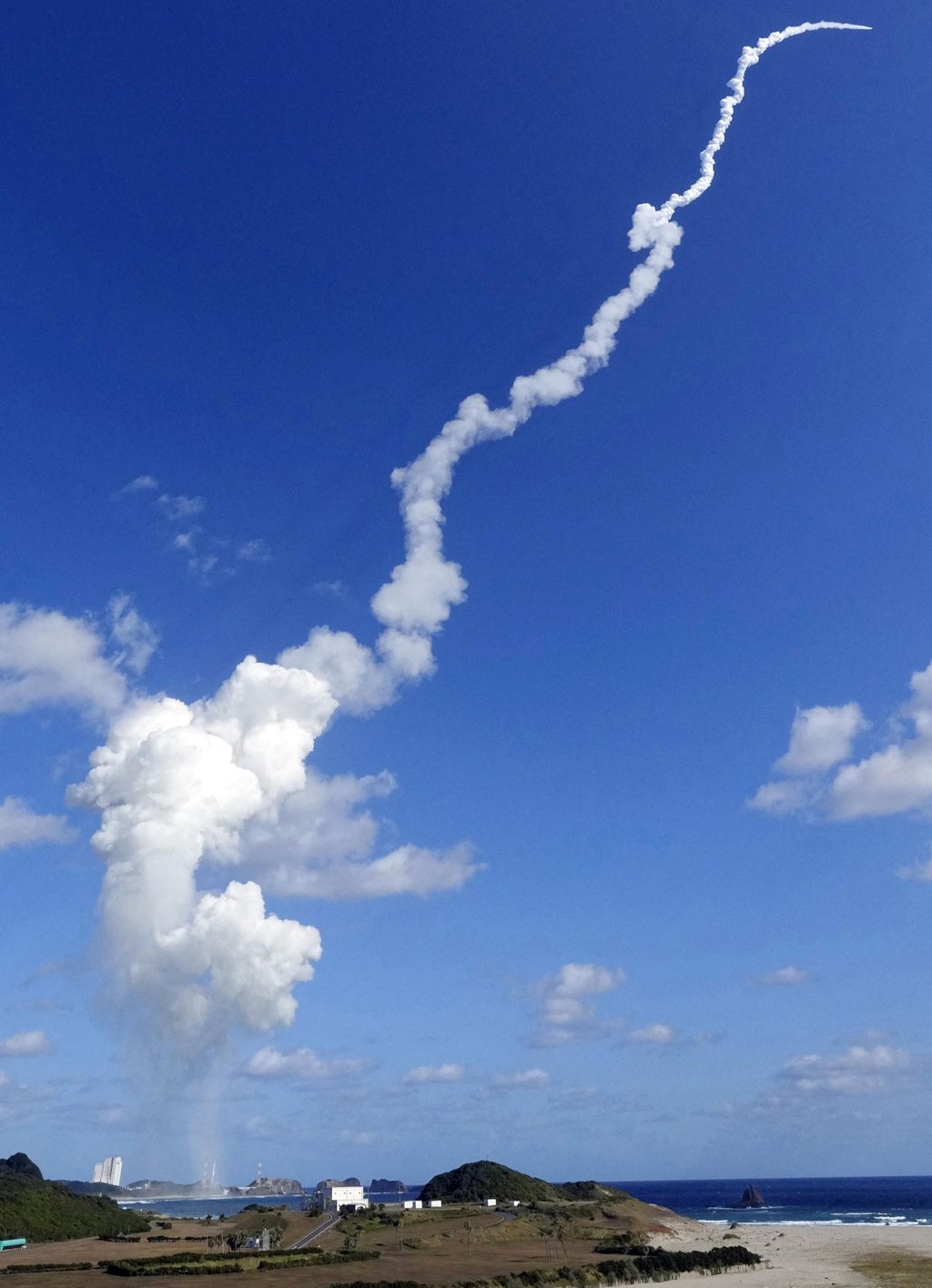
On Monday, the domestically built H3 rocket, Japan’s new flagship launcher, failed, costing the country a satellite and drawing sharp criticism from the Japanese media.
Local media called the incident a “significant setback” to Japan’s space ambitions and warned that the programme “faces a long road” before it could regain the trust of foreign partners and customers seeking guarantees that their satellites would be deployed.
Advertisement
While aerospace experts agree that the loss of the rocket and its payload will dent the reputation of the Japan Aerospace Exploration Agency (Jaxa), they also caution against a rush to judgment.
“Yes, this is a huge black eye for Jaxa and Mitsubishi Heavy Industries, which makes the engines for the H3, but this is just the nature of the space business,” said Lance Gatling, president of Nexial Research.
“Part of the problem in Japan is that they have not failed enough. Development here is very long because they want perfection. Whenever something goes wrong in the process, it takes a long time to figure out what needs to change and the design engineers, laboratory technicians and everyone else are standing around waiting for someone else,” the aerospace and defence analyst said.