
A city’s character is not tested on a good day, but in the quiet hours after a disaster, when the smoke settles, sirens fade and residents look at the charred outline of a home that used to anchor an entire life.
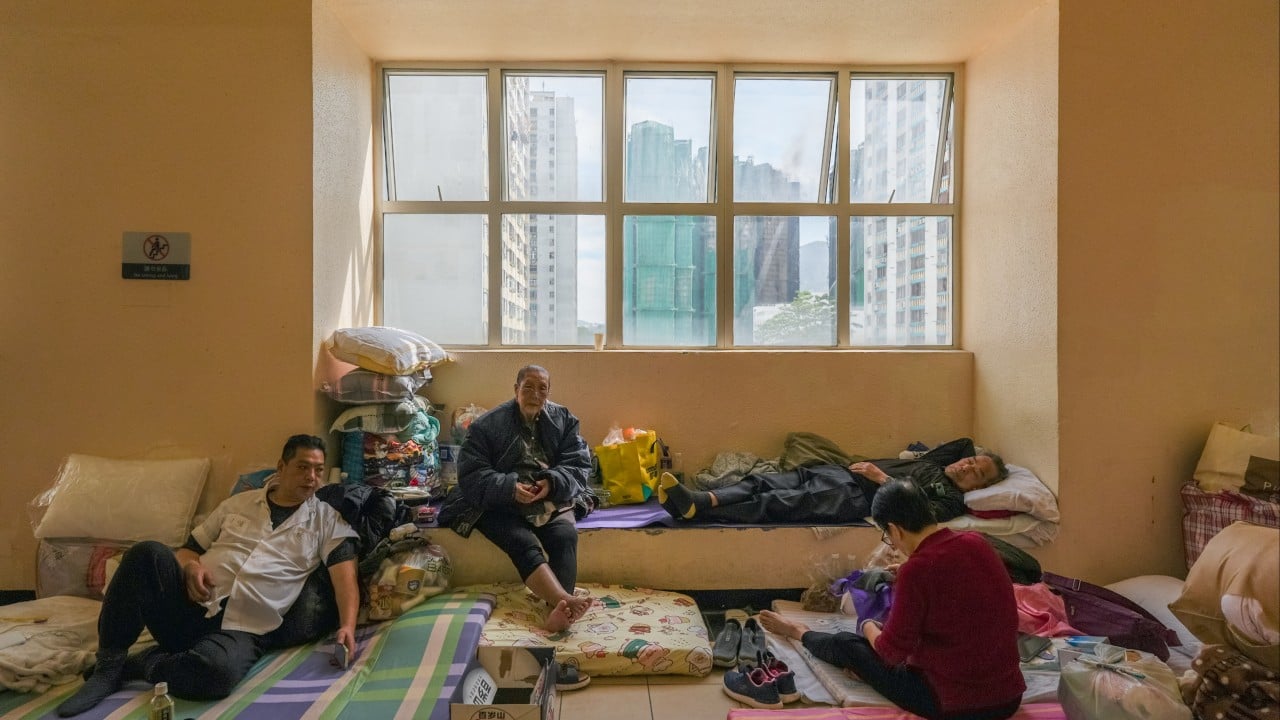
The Tai Po fire, which engulfed several blocks of subsidised government housing and left families displaced overnight, has forced Hong Kong into a rare moment of civic introspection. A tragedy on this scale is a stress test of our assumptions about urban planning, insurance, finance and the social contracts we take for granted.
The predictable first reflex is blame. Blame the contractors, the inspectors, “the system”. But anyone who has spent time around construction contracts knows there is no single villain waiting to be neatly identified. The reality is messier. Some contracts put the responsibility squarely on the company. Others extend liability to individuals who sign off on the work. Some cover structural work. Others exclude anything resembling daily living, such as furniture and appliances, the small items that make a unit a home.
Advertisement
It is why the aftermath of a fire becomes such a legal maze. Homeowners, many with mortgages, suddenly find themselves going through contracts they had never carefully read, realising the protections they assumed were standard are, in fact, optional extras they never bought. The fire did not just destroy assets. It exposed assumptions.
Insurance will not magically rebuild someone’s life. At best, it replaces the structure. At worst, it covers only part of it, leaving residents with mortgage payments on a unit that has lost much of its value. The banks will not, and cannot, waive the loans. They can offer grace periods but the underlying debt remains. A fire does not extinguish a mortgage.
Advertisement
Now, imagine the human side. Families abruptly moved into hotels or temporary housing. The unfamiliar neighbourhoods. The constant wondering about when, or whether, they can return. The emotional weight is heavier than the financial one.