
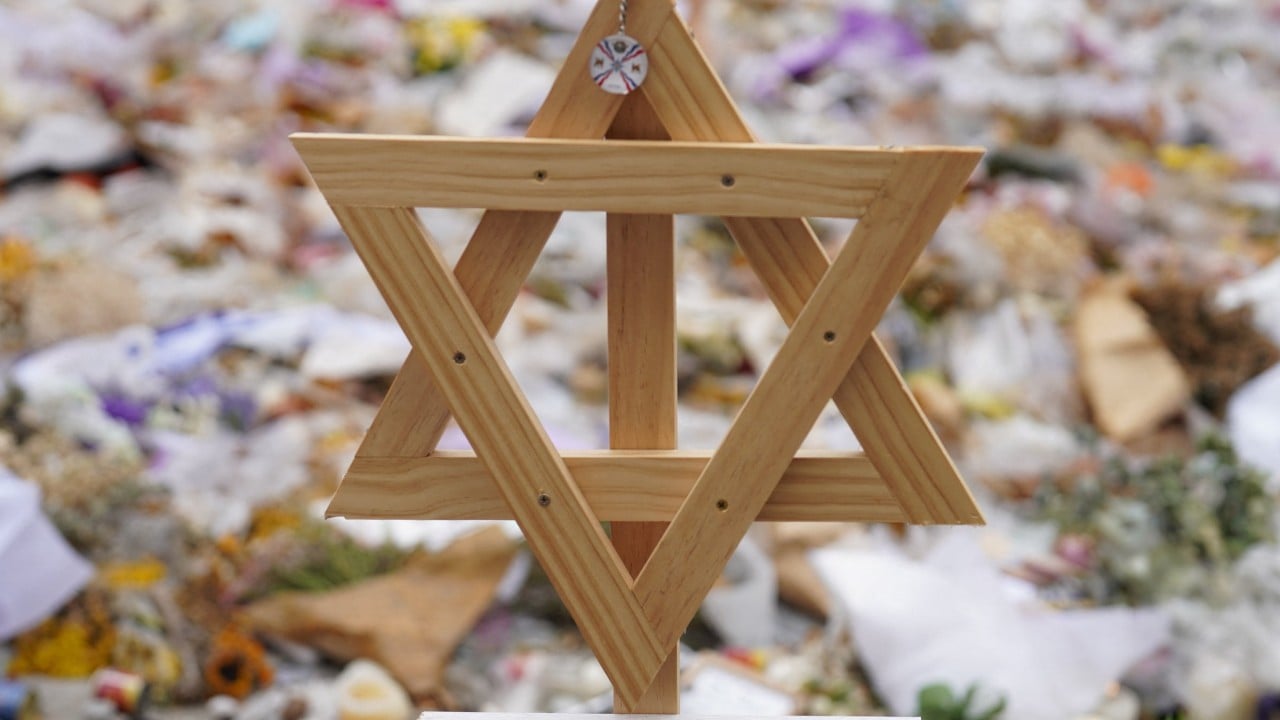
When a gunman murdered 35 people in Tasmania in 1996, Australia’s political leaders united to implement some of the West’s toughest gun laws. Nearly three decades later, after 15 people were killed at a Jewish festival at Bondi Beach, consensus is more elusive.
Prime Minister Anthony Albanese’s call for tighter gun controls is meeting resistance from ascendant right-wing populists and some mainstream conservatives, revealing a more polarised landscape that contrasts with Australia’s response to its deadliest mass shooting.
Rather than a “rally around the flag moment of national unity”, Albanese faces “distrust and unhappiness”, said Simon Jackman, a political scientist at the University of Sydney.
Advertisement
Since Sunday’s attack, conservative figures and some Jewish leaders have accused Albanese of failing to adequately address rising antisemitism, posing a defining test for his leadership.
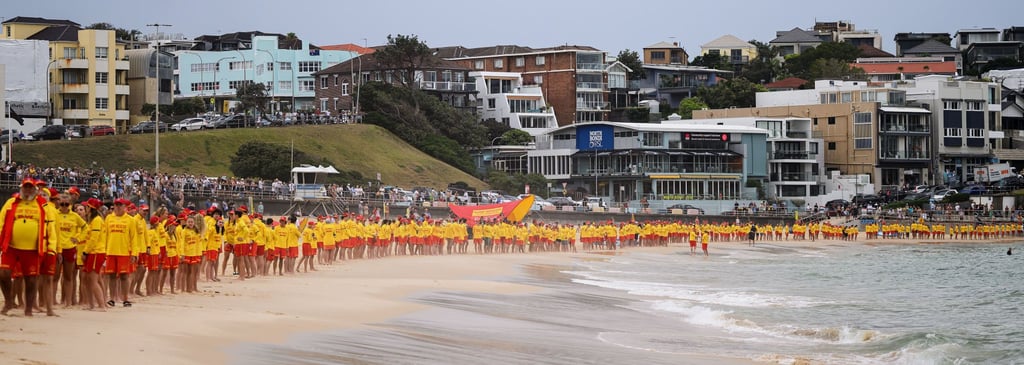
Albanese, whose centre-left Labor party enjoys a commanding parliamentary majority, has defended his record on antisemitism and announced additional measures targeting hate speech.
Advertisement
The mass shooting at a Hanukkah celebration occurred as right-wing populists have surged in polls by exploiting public concern about immigration and crime.