
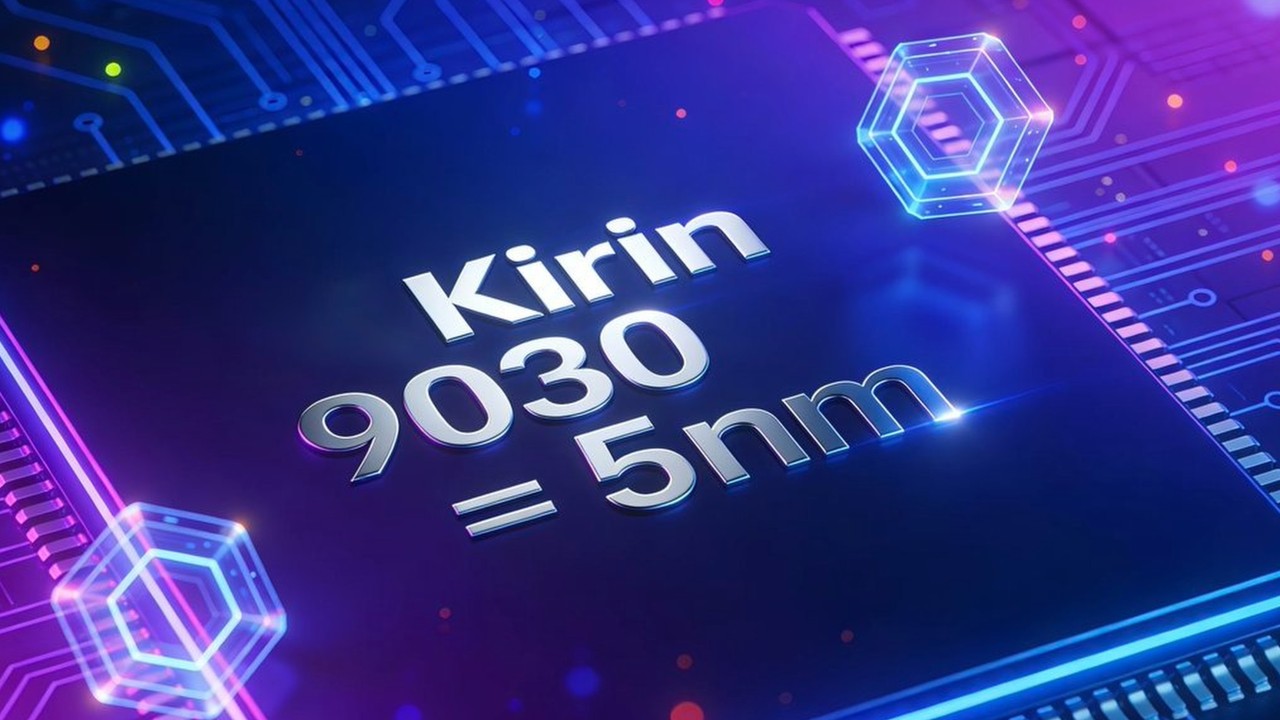
Huawei Technologies’ latest Mate 80 series smartphones are powered by an upgraded in-house chip after its foundry partner made improvements to the 7-nanometre node process despite US export restrictions on advanced technology, according to a new report.
The Kirin 9030, the processor behind Huawei’s Mate 80 Pro Max, was manufactured by China’s top foundry Semiconductor Manufacturing International Corp (SMIC) using the N+3 process, which is a “scaled evolution” of the chipmaker’s previous 7-nm node technology, according to Canadian semiconductor research firm TechInsights.
Despite “meaningful density improvements” in its N+3 process, SMIC’s capabilities were still behind leading chipmakers Taiwan Semiconductor Manufacturing Co (TSMC) and Samsung Electronics, the report showed.
Advertisement
“In absolute terms, N+3 remains substantially less scaled than industry 5-nm processes from TSMC and Samsung,” TechInsights analyst Rajesh Krishnamurthy said in the report.
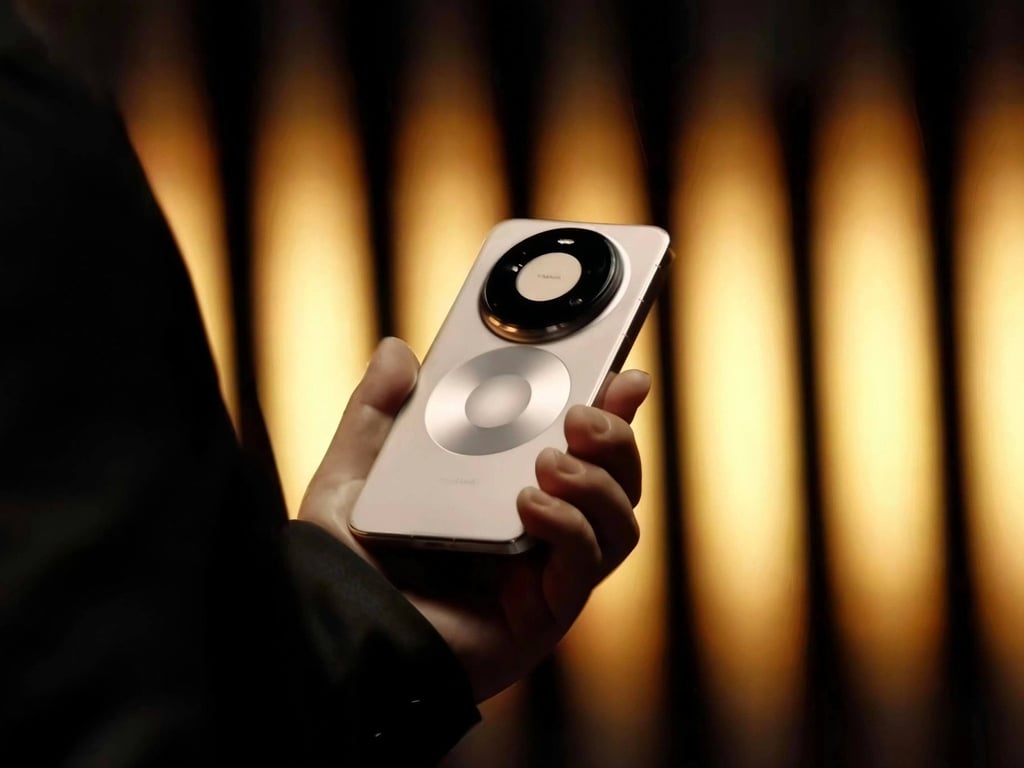
The process was also expected to struggle with “significant yield challenges”, as it relied on deep ultraviolet (DUV) multi-patterning to achieve aggressive metal scaling, according to Krishnamurthy.
Advertisement