
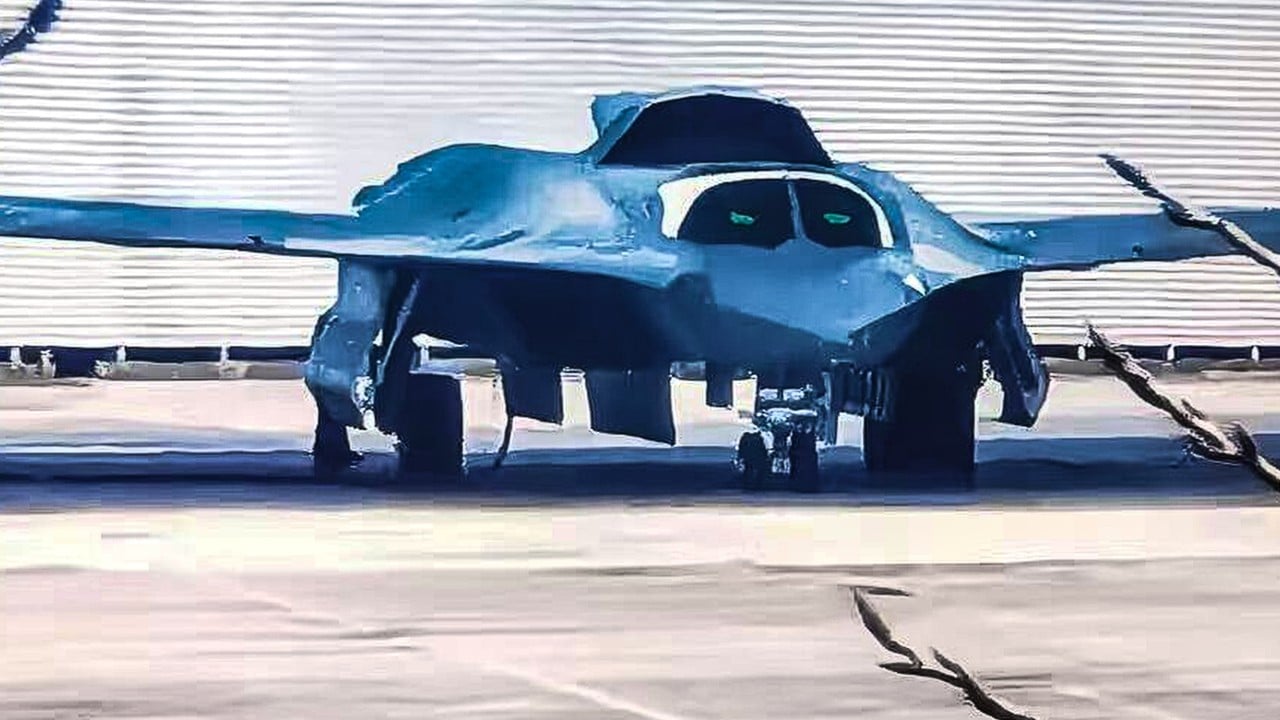
When it comes to building next-generation stealth jets, experience is the foundation of speed, reliability and combat readiness. Handing this critical job to a company with no stealth fighter experience could significantly delay progress and hand competitors a strategic gift.
This is an open message from Yang Shuifeng, a lead designer of China’s cutting-edge stealth fighters.
“The experience and capability of the research and development team cannot start from zero,” Yang, senior engineer and director of the performance research division at the Chengdu Aircraft Design Institute’s overall design department, wrote in a paper published in the peer-reviewed Journal of Systems Engineering and Electronics on November 28.
Advertisement
Titled “Aviation equipment R&D management method based on rapid capability generation”, the paper offers the first public glimpse of how China fast-tracks the development of J-36s and leaves the US years behind in the sixth-generation fighter race.
According to Yang and his co-authors, institutions with established “design capability, development infrastructure and production facilities” and deep familiarity with foundational industrial systems – such as relevant chips, materials, components and standard parts – can provide the scientific planning, process management, performance evaluation and oversight needed to “rapidly mobilise human, material and financial resources” and drive programmes forward at speed.
Advertisement
China and the US are the two leading countries developing sixth-generation fighters.