
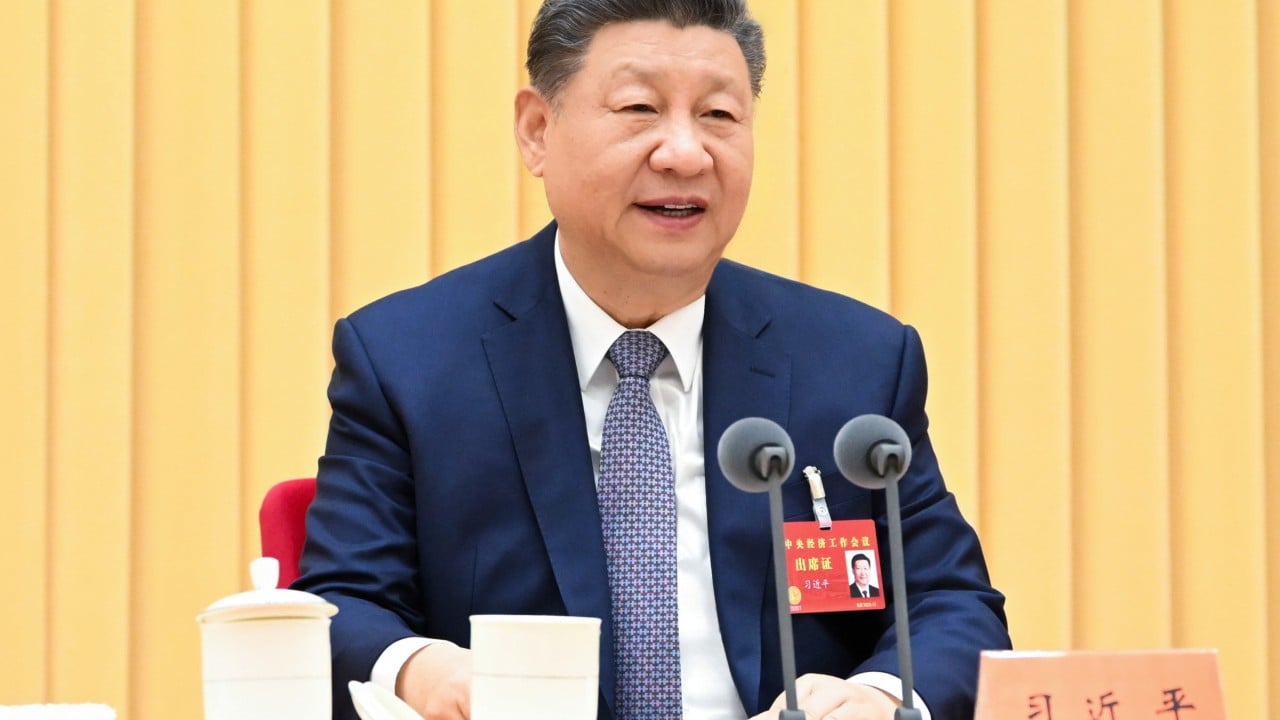
China is expected to set its fiscal deficit ratio at around 4 per cent of gross domestic product in 2026, analysts said, adding the affirmation of a more prominent role for fiscal policy at this week’s central economic work conference indicates a selective approach to increasing government expenditures.
In a statement issued after the annual conference ended on Tuesday, officials called for maintaining a “necessary deficit size, total debt and expenditure volume”. The December meeting of high-level policymakers typically sets the broad agenda for economic work in the coming year.
Analysts said the conference’s reiteration of the need for “proactive” fiscal policy means this year’s 4 per cent ratio – the highest in the country’s history – is likely to be extended into next year to keep pace with increases in government spending.
Advertisement
“The deficit ratio may be set at between 4 and 4.2 per cent, and the deficit total may increase from 5.66 trillion yuan (US$801.5 billion) in 2025 to 6 to 6.25 trillion yuan in 2026, an increase of nearly 600 billion yuan,” said Lian Ping, director general of the China Chief Economists Forum, in a note published on Friday.
“Overall GDP growth, which may reach 148.7 trillion yuan in 2026, has made bigger deficits possible, which will in turn provide a stable source of funds for expenditure and underpin expenditure increase from 2025’s base,” he added.
Advertisement
Raymond Yeung, chief economist for Greater China at ANZ, said along with the possible 4 per cent ratio target, the broad fiscal deficit is expected to reach 9 to 10 per cent of GDP in 2026, but stressed the most relevant feature would not be its size.
“The key is the imperative to ‘optimise the structure of fiscal expenditure’ mentioned in the readout. So Beijing is expected to place greater emphasis on the effectiveness and targeted nature of its policies – balancing whether funds will be used for areas such as debt resolution, infrastructure, technology or consumption,” Yeung said.