
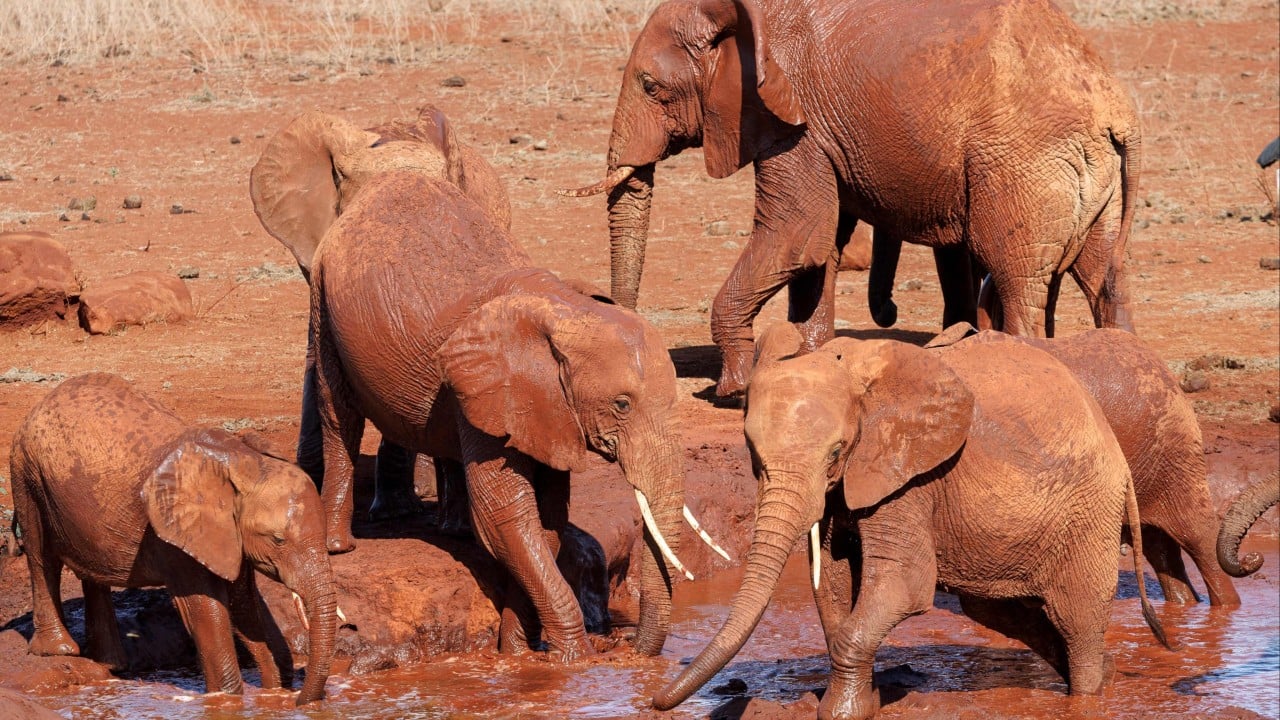
Much research on cancer prevalence has focused on genetic, environmental and lifestyle factors. But a new study by Argentine researchers offers a novel evolutionary perspective: the social structure of mammals may play a critical role in cancer risk.
The new angle has been proposed by researchers from the cancer philosophy and biology systems group at the University of Buenos Aires, led by Professor Matías Blaustein.
Their study, published on November 12 in the journal Science Advances, suggests that species characterised by strong social cooperation exhibit significantly lower cancer rates, while those shaped by intraspecific competition face higher risks.
Advertisement
There are disparities in cancer rates across human populations. According to the World Health Organization, the United States, with a population of 340 million, had one of the highest age-standardised cancer incidence rates in the world in 2022, at 376 cases per 100,000 people. China, with a population of 1.4 billion, reported an incidence of 201.6 per 100,000, with both facing environmental challenges.
The interdisciplinary team led by Blaustein drew on extensive data sets – including records from more than 110,000 zoo animals across 190 species, tumour prevalence studies and comparisons of archetypal species such as cancer-resistant whales and more susceptible jaguars.
Advertisement
They integrated insights from mathematics, ecology, physics and molecular biology for the study titled “Coevolution of cooperative lifestyles and reduced cancer prevalence in mammals”.

04:03
China-Singapore team’s nanovaccine suppresses cancer recurrence and spread in animal tests
China-Singapore team’s nanovaccine suppresses cancer recurrence and spread in animal tests