
Published: 8:00am, 1 Dec 2025Updated: 11:58am, 1 Dec 2025
As the clock strikes 8am in Penang, Syamil Azizi slips into his daily grind: picking up passengers across the island in his little Perodua runabout.
At noon, he pauses just long enough to pick up his two daughters from school before returning to the road, often until well past sundown.
Weekends offer no reprieve. Then, the 33-year-old swaps his helmet for a chef’s hat, working weddings and school functions as part of a seven-day grind that keeps his family afloat but offers little security beyond the next order ping.
Advertisement
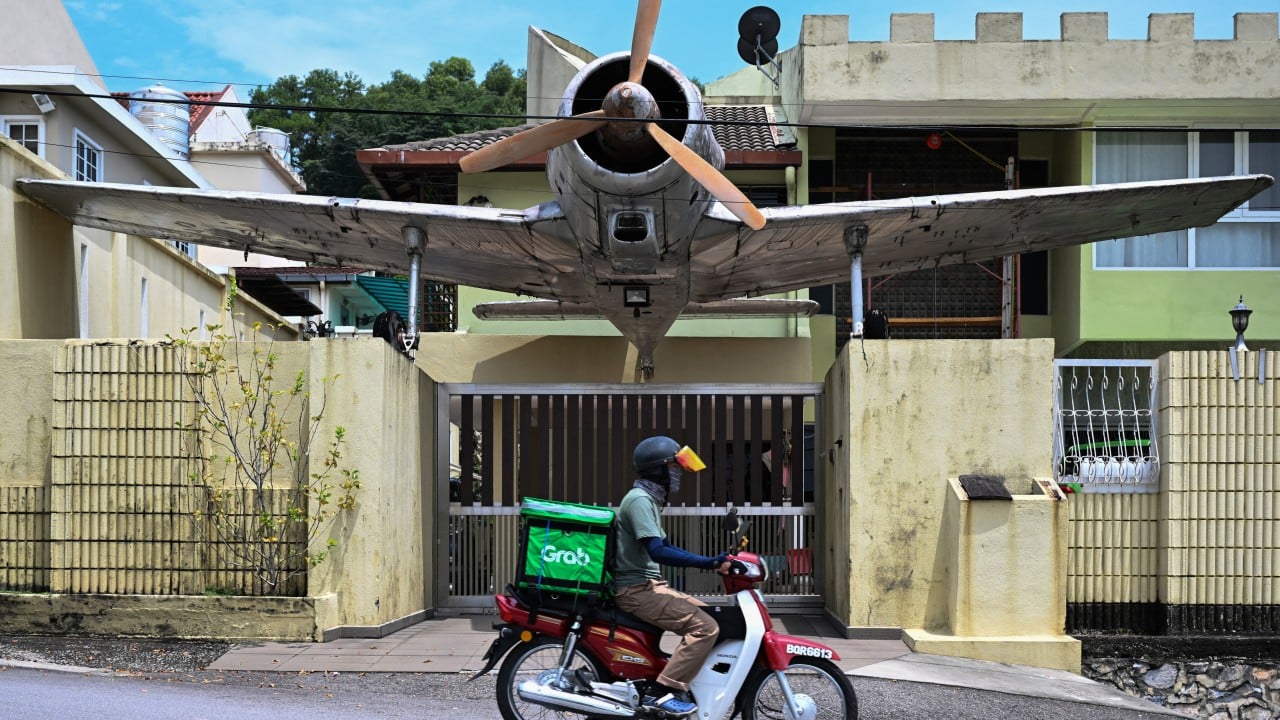
For years, Syamil has lived the reality of Malaysia’s modern-day gig economy. Thousands like him power the platforms that feed, transport and deliver for millions, yet remain outside the protection of labour law.
No paid leave. No recourse against sudden dismissal. No say over their working conditions.
Advertisement
All that could be about to change, however. Malaysia is on the brink of enacting the Gig Workers Bill, a pioneering piece of legislation expected to take effect next year once it receives royal assent.