
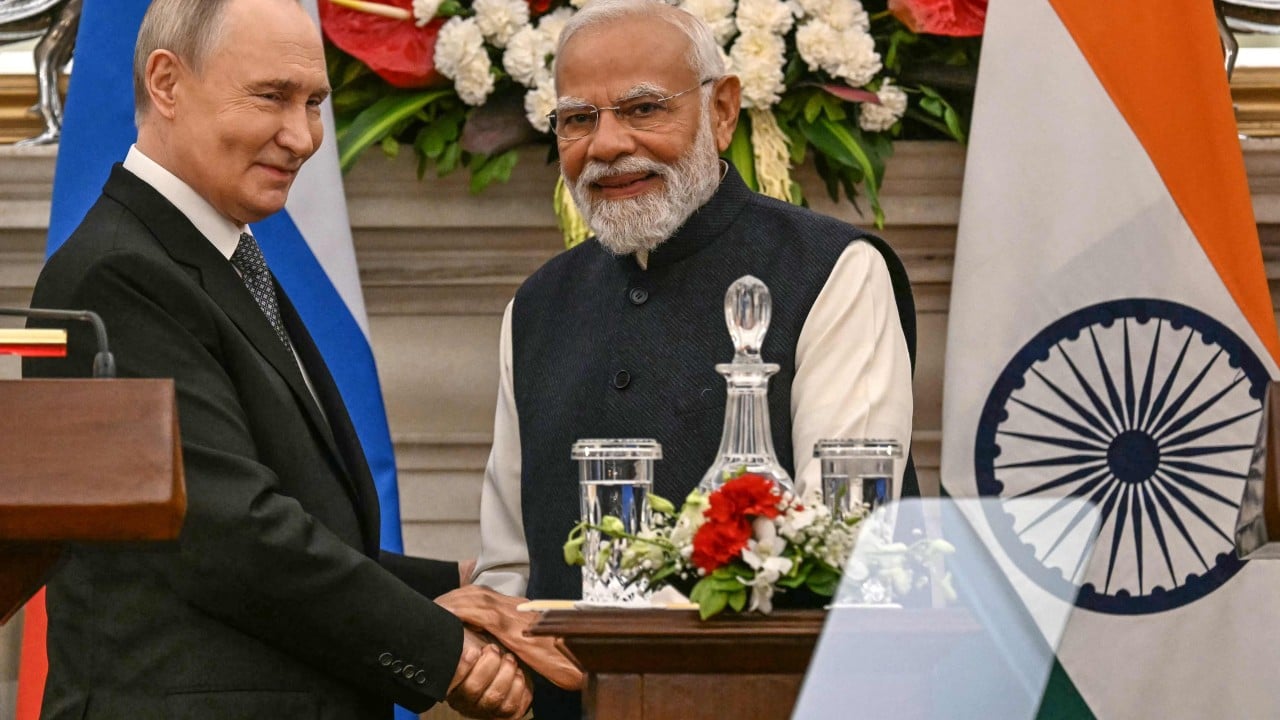
On December 4, India welcomed Russian President Vladimir Putin with great pomp for a two-day state visit. The visit, the first since 2021, coincided with a huge India-Russia business forum and embodied the “special and privileged strategic partnership” between New Delhi and Moscow. The two sides discussed exporting US-sanctioned Russian oil and arms to India and agreed to boost trade, connectivity and joint manufacturing.
Predictably, the visit upset the West and generated fresh tensions in India’s strained relationship with the United States. It also raised anew the question of why Delhi has stuck with a weaker Russia that can offer little of the trade, investment and technology that India badly needs for its rise.
Why does India need Russia? The conventional wisdom is clear. India needs Russian arms and energy, hard interests sweetened by a touch of nostalgia for the Indo-Soviet partnership of the Cold War and Moscow’s reliability as a partner.
Advertisement
The Modi government also needs Moscow to signal to Washington that India has options and to create leverage on US President Donald Trump, whose harsh tariffs on India, harsher rhetoric and unexpected outreach to Pakistan have antagonised India. All this is absolutely true, but it is not enough to explain Delhi’s enduring partnership with Moscow. There are deeper reasons.
First, India broadly shares a vision of international relations with Russia. Both Delhi and Moscow want to build a multipolar international order which is not dominated by the West and gives a greater role to the Global South. This vision pays greater respect to major powers and their spheres of interest and emphasises unique national identities based on culture and civilisation at the expense of liberal values.
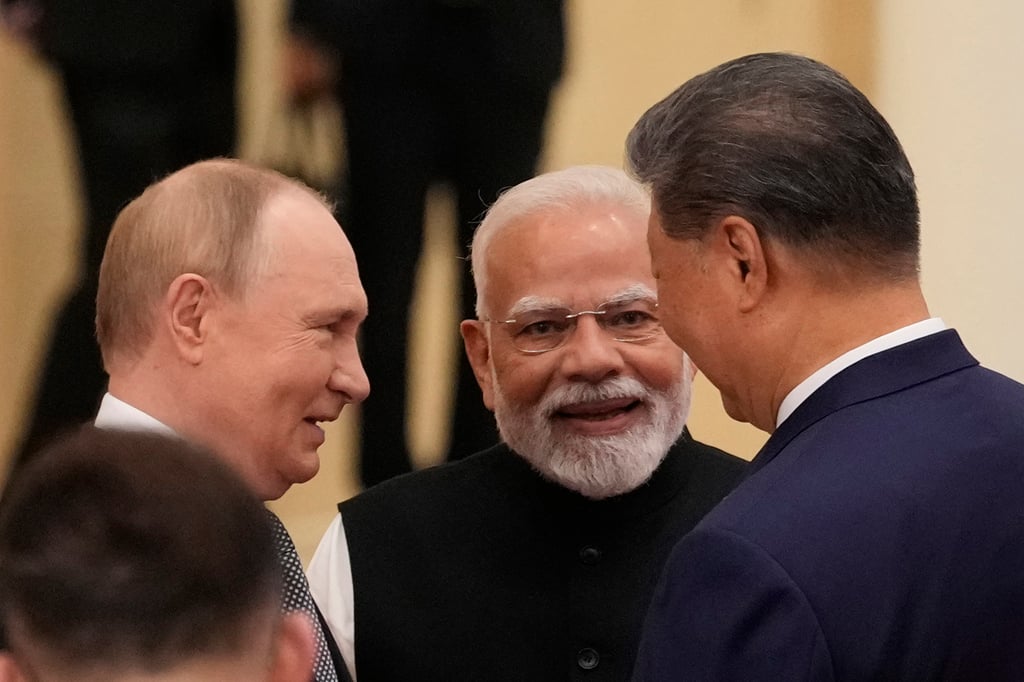
In short, more sovereignism, less human rights and democracy promotion. Both countries see the Shanghai Cooperation Organisation (SCO) and Brics bloc of developing nations, of which they are members, as the main vehicles for implementing this vision.
Advertisement